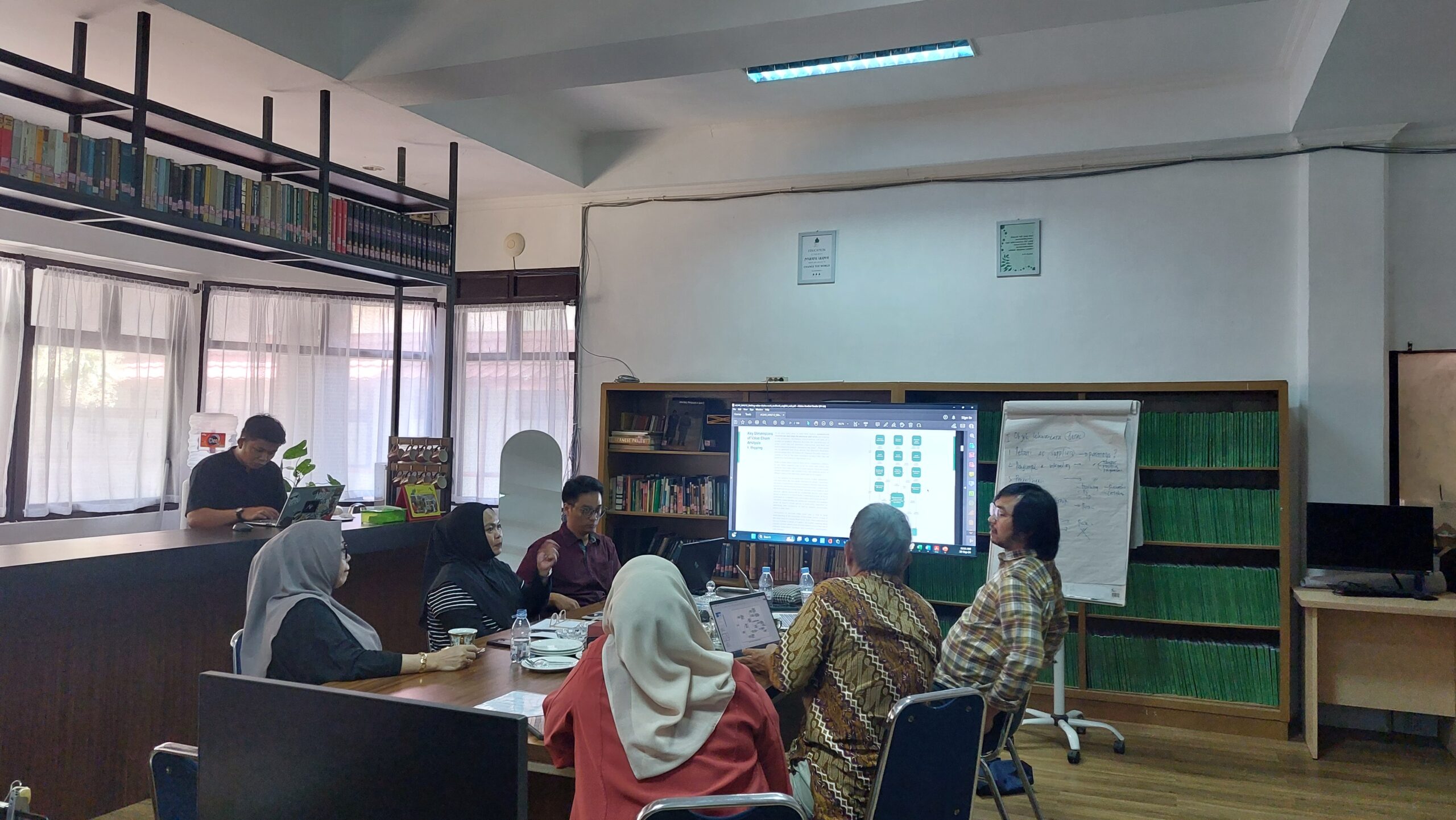

Makassar, Indonesia 26 September 2024/FCVC/-Advancing agricultural research requires more than strong ideas—it demands robust methods that can translate complex field realities into reliable evidence. Responding to this need, the Food Crops Value Chain Research Group organized a capacity-building session on September 23, 2024 at the Department of Agricultural Socioeconomics, Faculty of Agriculture, Hasanuddin University, involving an audience of students, researchers, and practitioners. The workshop featured Dr. Rida Akzar and Prof. Dr. Rahim Darma, who guided participants through a workshop on agricultural value chain research designed to strengthen methodological understanding and practical application in agribusiness studies.
Dr. Rida Akzar from the Center for Global Food and Resources, The University of Adelaide, Australia, focused on introducing participants to the core principles of value chain research, emphasizing how different actors and processes are interconnected within agricultural systems. Participants were exposed to key theoretical frameworks that help explain how value is created, distributed, and sometimes unevenly captured along the chain. The workshop also addressed essential components of research design, including defining research objectives, selecting appropriate samples, and identifying relevant variables. By linking theory with practical considerations, the session aimed to build a solid foundation for conducting rigorous and context-sensitive research in agricultural value chains.
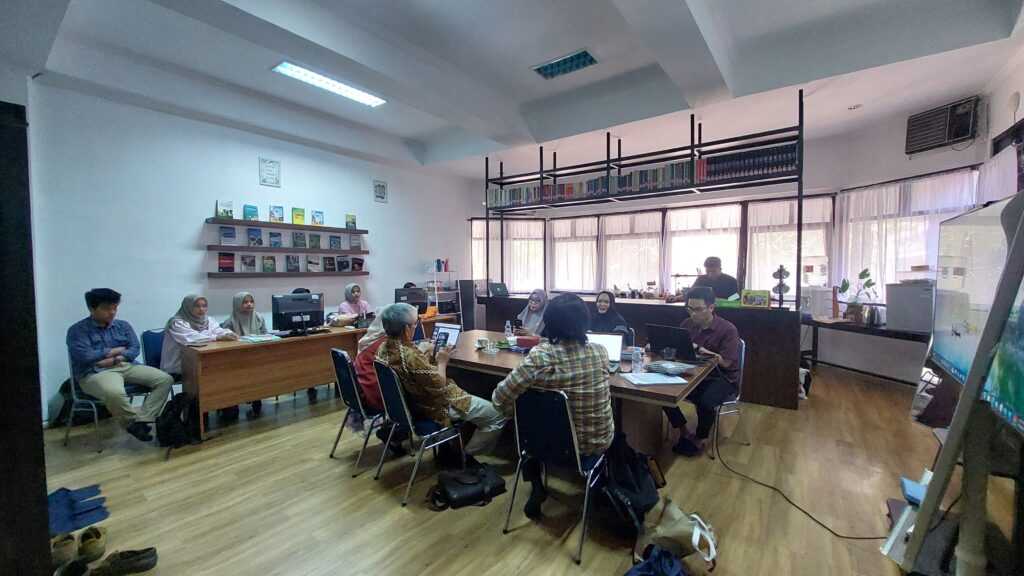
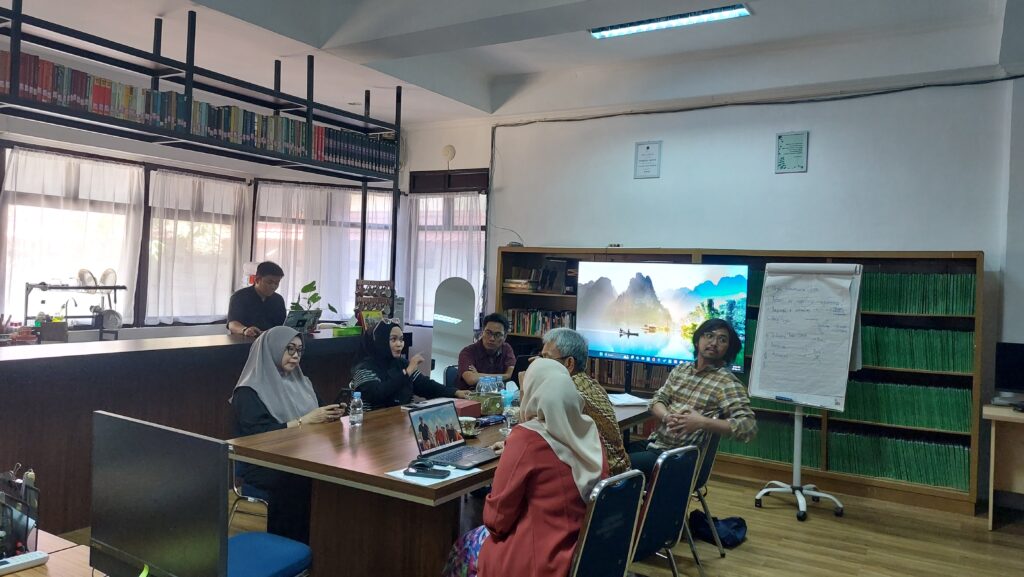
Beyond conceptual understanding, the workshop highlighted the importance of analytical tools and data-driven approaches in identifying inefficiencies and opportunities within agribusiness systems. Through selected case studies, participants explored how value chain analysis can be used to improve productivity, enhance coordination among actors, and support more effective decision-making. The discussions underscored that well-designed research is critical for generating insights that are not only academically sound but also relevant for policymakers and industry stakeholders. The interactive nature of the workshop encouraged participants to reflect on their own research approaches and consider how methodological improvements can lead to more impactful outcomes.
This initiative contributes directly to SDG 4 (Quality Education) by strengthening research capacity and promoting applied learning, and SDG 17 (Partnerships for the Goals) by fostering collaboration between academic institutions and broader stakeholder groups. The workshop reinforced the importance of multi-stakeholder engagement in ensuring that research findings translate into actionable strategies for agribusiness development. Moving forward, the knowledge and perspectives gained from this session are expected to support higher-quality research outputs, encourage interdisciplinary collaboration, and contribute to the development of more efficient and inclusive agricultural value chains in South Sulawesi.