
Makassar, Indonesia 13 May 2025/FCVC/-Floods are often seen as disasters—but for farmers around Tempe Lake in South Sulawesi, Indonesia, they are part of everyday life. Instead of giving up, these communities have developed smart and adaptive strategies to survive and even thrive. A recent study titled “Resilient Rice Farming: Household Strategies for Coping with Recurrent Floods in Tempe Lake, Indonesia,” published in the journal Societies by MDPI on 8 May 2025, reveals how local households turn challenges into opportunities .
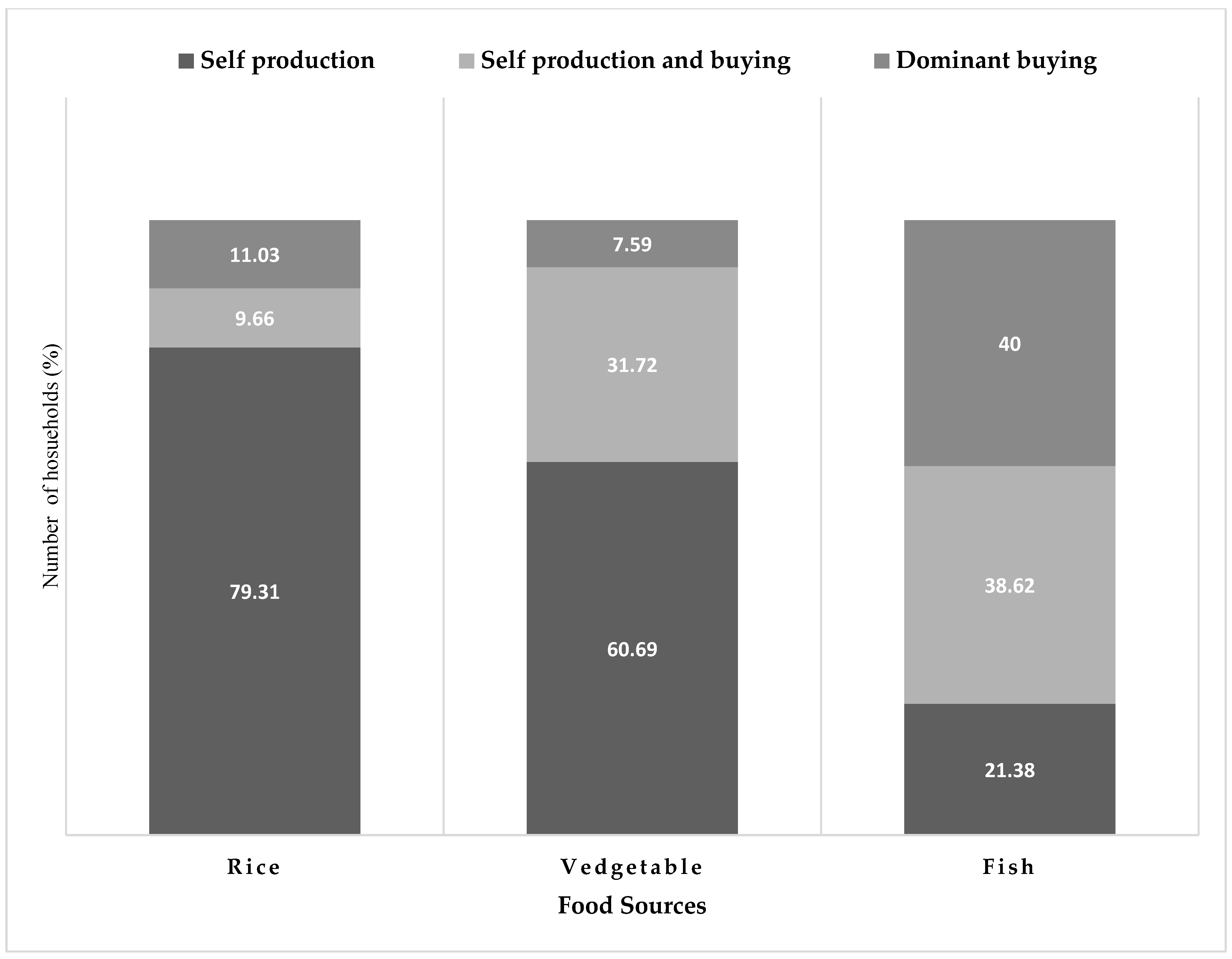
Rice farming remains the backbone of livelihoods in this region, but frequent flooding disrupts planting cycles and reduces yields. To cope, farmers diversify their income—combining rice farming with fishing, small businesses, or informal work. They also adopt flood-resistant rice varieties, adjust planting schedules, and store food reserves for difficult times. These strategies are not just about survival—they are about resilience. The study shows that households living near Tempe Lake rely heavily on both agriculture and natural resources, demonstrating creativity and adaptability in managing risks .
This story strongly connects to SDG 1 (No Poverty), as farmers struggle with unstable income and must find ways to sustain their livelihoods. It also relates to SDG 3 (Good Health and Well-being), since food availability directly affects nutrition and health. Furthermore, the importance of knowledge sharing and farmer training reflects SDG 4 (Quality Education), helping communities adapt to climate challenges. The environmental dimension is equally important: maintaining lake ecosystems aligns with SDG 14 (Life Below Water), while sustainable farming practices support SDG 15 (Life on Land). Finally, collaboration between farmers, institutions, and policymakers highlights SDG 17 (Partnerships for the Goals) as a key driver of resilience.
One striking insight from the study is how local institutions and social networks support farmers. Informal systems—such as shared irrigation, community cooperation, and trust-based financial arrangements—play a crucial role in helping households access inputs and manage risks. Even with limited formal support, these grassroots systems strengthen resilience and ensure food security.
In a world increasingly affected by climate change, the experience of Tempe Lake farmers offers an important lesson: resilience is not just about technology or policy—it is about people. By combining tradition, innovation, and cooperation, these communities show that even in the face of uncertainty, sustainable agriculture is possible.
Reference:
DOI: https://doi.org/10.3390/soc15050129
Contact:
Prof. Rahim Darma
+62 852-5564-6556
rdarma@unhas.ac.id