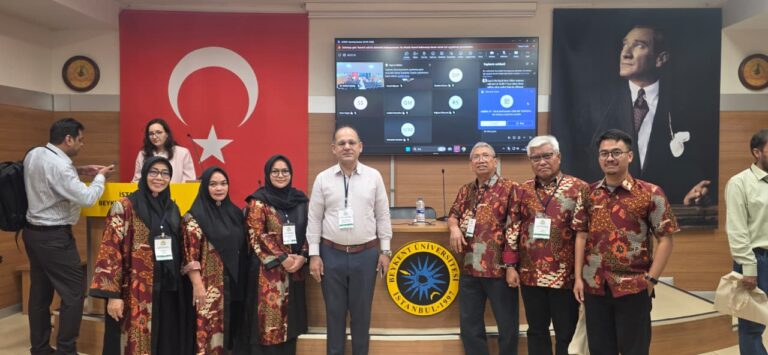
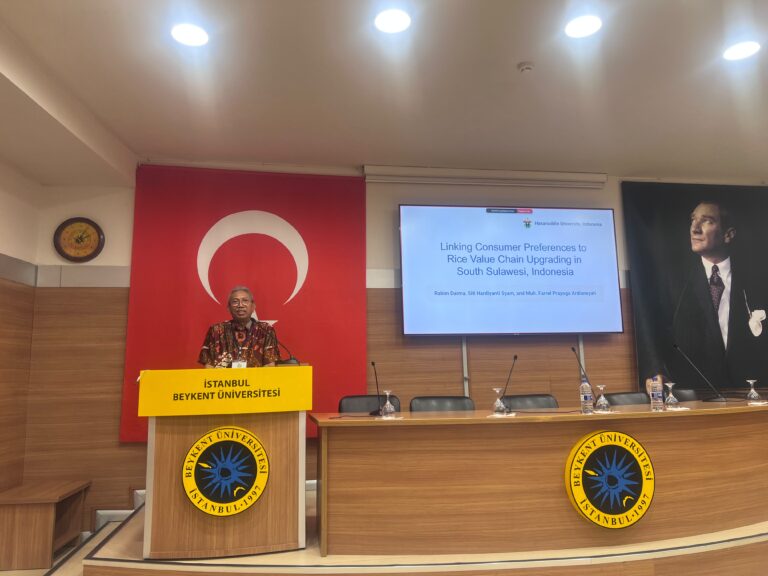
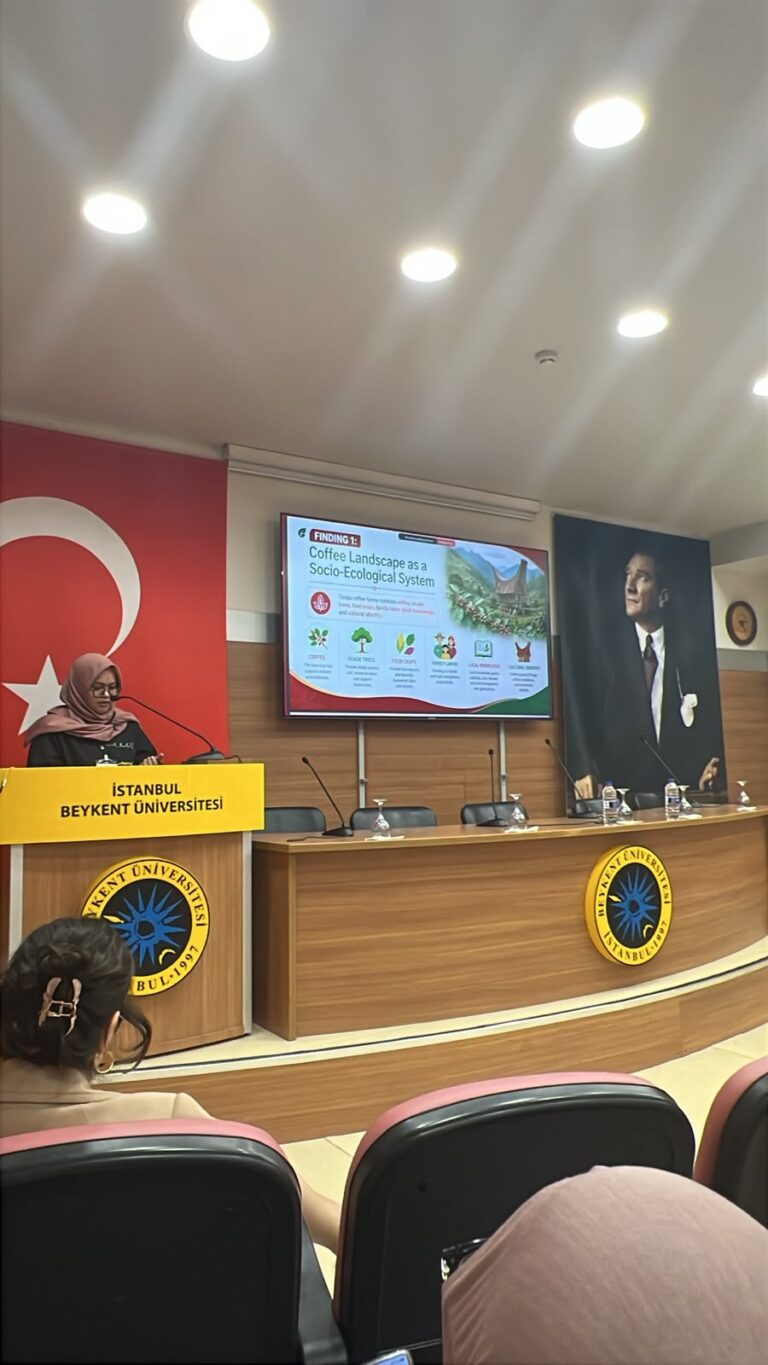
Makassar, Indonesia 11 May 2025/FCVC/–Amid the growing global demand for specialty coffee, understanding how local brands position themselves in competitive markets has become increasingly important. In this context, the Food Crops Value Chain Research Group visiting KAA Coffee Toraja, North Toraja, Indonesia on March 17, 2025. The activity brought together 8 participants including Prof. Rahim Darma as the Leader of Food Crops Value Chain Research Group, Muh. Farrel Prayoga Ardiansyah, Dr. Putra Astaman, and Dr. Yopi as researchers, Mr. Rico Sia from DPR RI, and Mr. Suleman Miting,along with his family member as the owner of the coffee shop business. The visit centered on the in-depth interview with the owner of a specialty coffee business to understand industry evolution, branding challenges, and value chain integration in North Toraja’s coffee sector, offering practical insights into how local enterprises navigate market complexities.
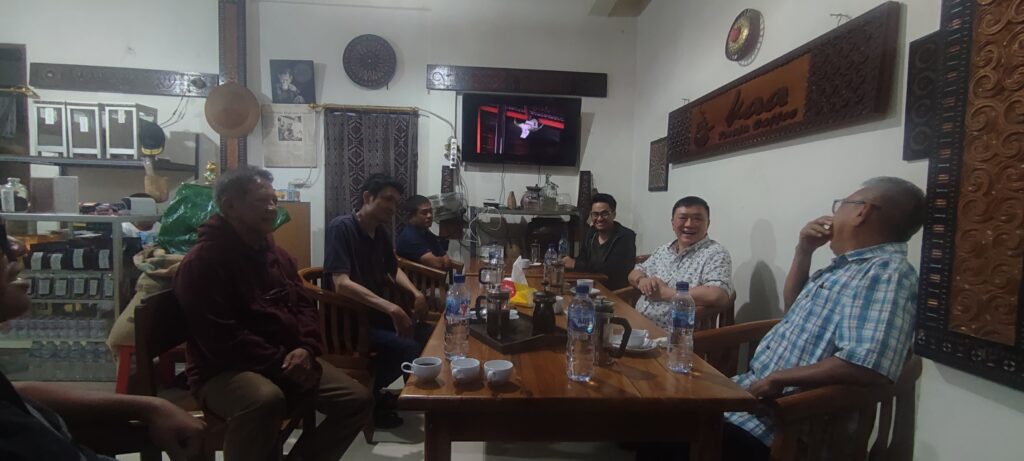
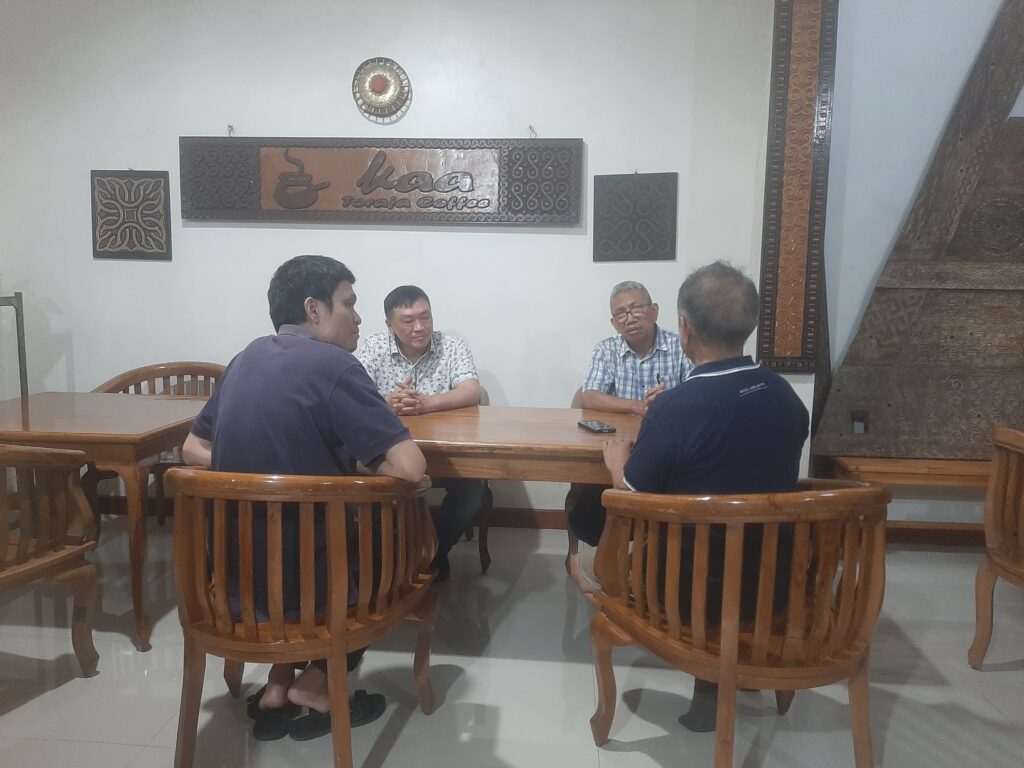
During the session, Mr. Suleman Miting shared reflections on the historical trajectory of coffee cultivation in Toraja, emphasizing its deep-rooted cultural significance within local communities. Coffee, as described by Mr. Suleman Miting, is not only an economic commodity but also a symbol of identity and heritage. The discussion further explored the operational realities of running a specialty coffee business, particularly the challenges associated with branding, certification, and ensuring consistent supply from smallholder farmers. His enterprise plays a crucial intermediary role, connecting producers with consumers while maintaining product quality and communicating the distinct story behind Toraja coffee.
The dialogue also highlighted broader structural constraints within the specialty coffee value chain. Limited and inconsistent production remains a key barrier to meeting market demand, while the requirements of international markets—such as certification standards and quality consistency—pose additional challenges for local businesses. Prof. Rahim Darma examining these issues through a value chain perspective, particularly potential relation to higher coordination, better information flow, and stronger institutional support. Mr. Rico Sia from the House of Representatives of the Republic of Indonesia (DPR RI) added an important policy dimension, emphasizing the need to align local business development with national strategies for agricultural competitiveness.
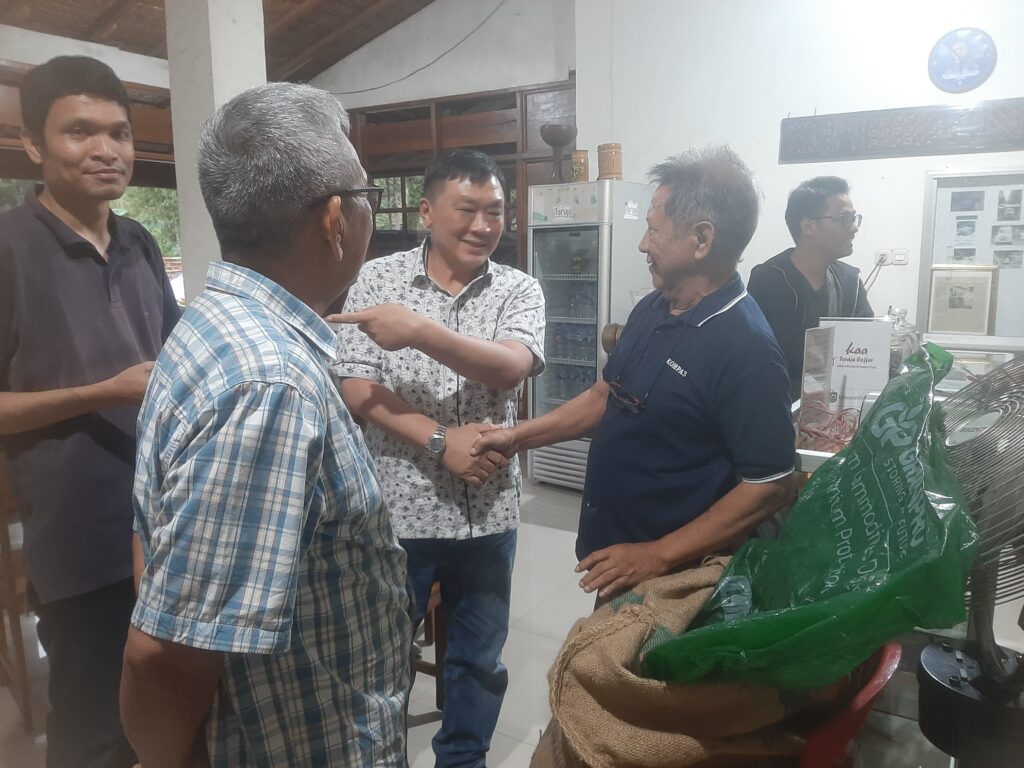
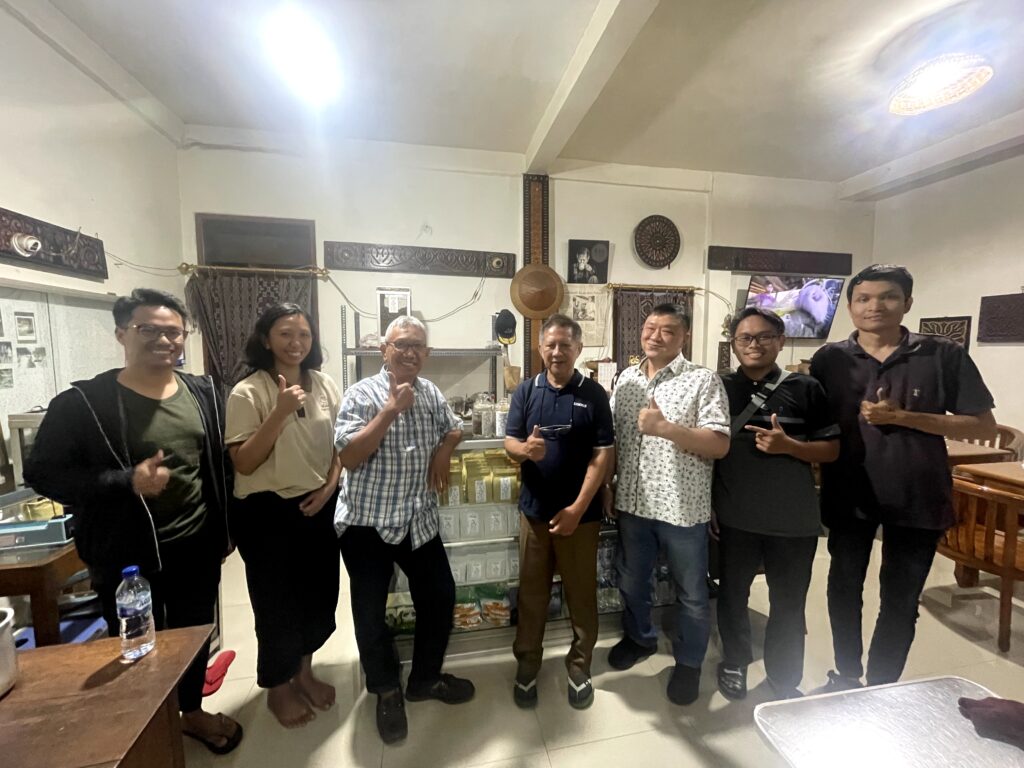
The insights generated from this activity underline the importance of strengthening branding strategies, improving export facilitation, and enhancing supply chain integration to increase the competitiveness of North Toraja’s specialty coffee. These efforts are closely linked to SDG 1 (No Poverty) through the potential to improve farmer incomes, SDG 11 (Sustainable Cities and Communities) by preserving local cultural identity, SDG 12 (Responsible Consumption and Production) through quality assurance and sustainable practices, and SDG 17 (Partnerships for the Goals) by fostering collaboration among stakeholders. Moving forward, the findings from this engagement are expected to support future research publications, inform policy recommendations, and contribute to the development of a more resilient and globally competitive coffee value chain in North Toraja.