
Uncovering Historical Roots: TRG Ethno-Literature Consults Oral Tradition Experts on Bajo Migration in South Sulawesi
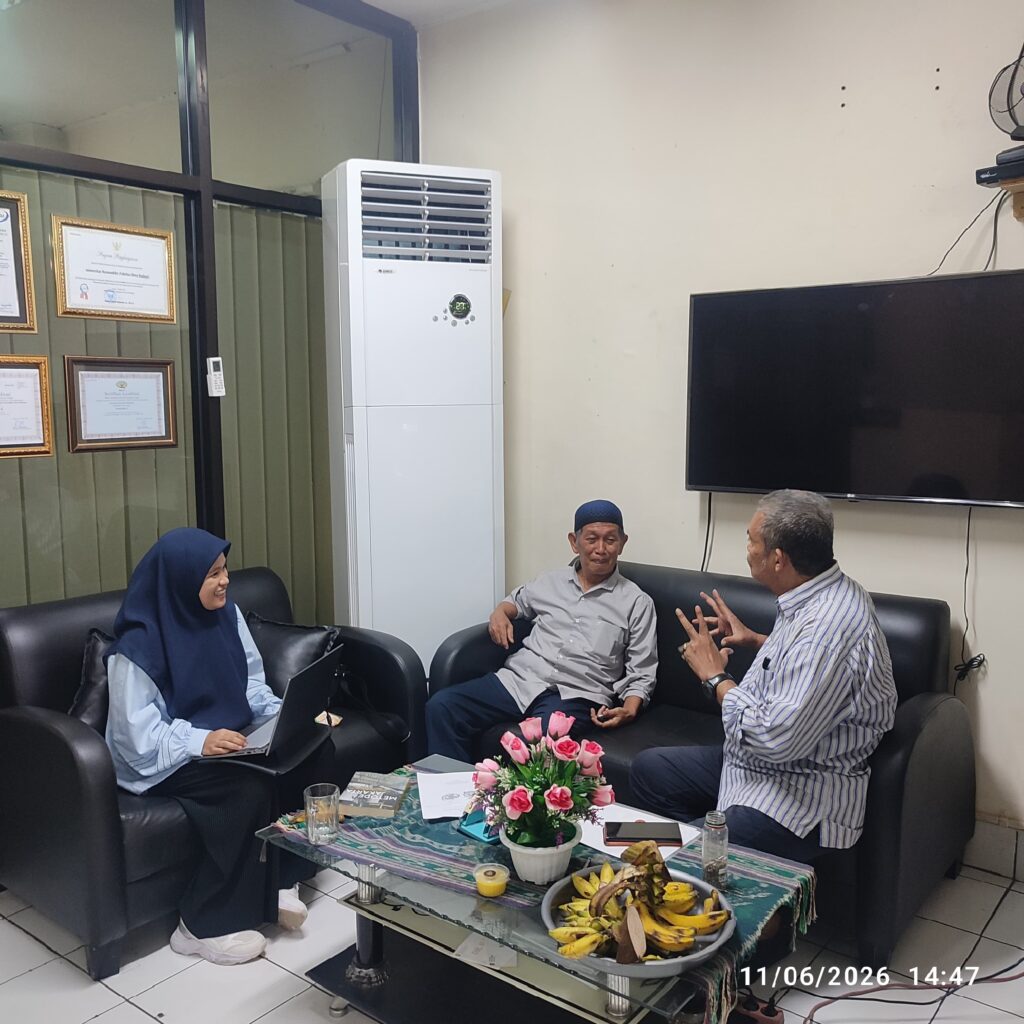
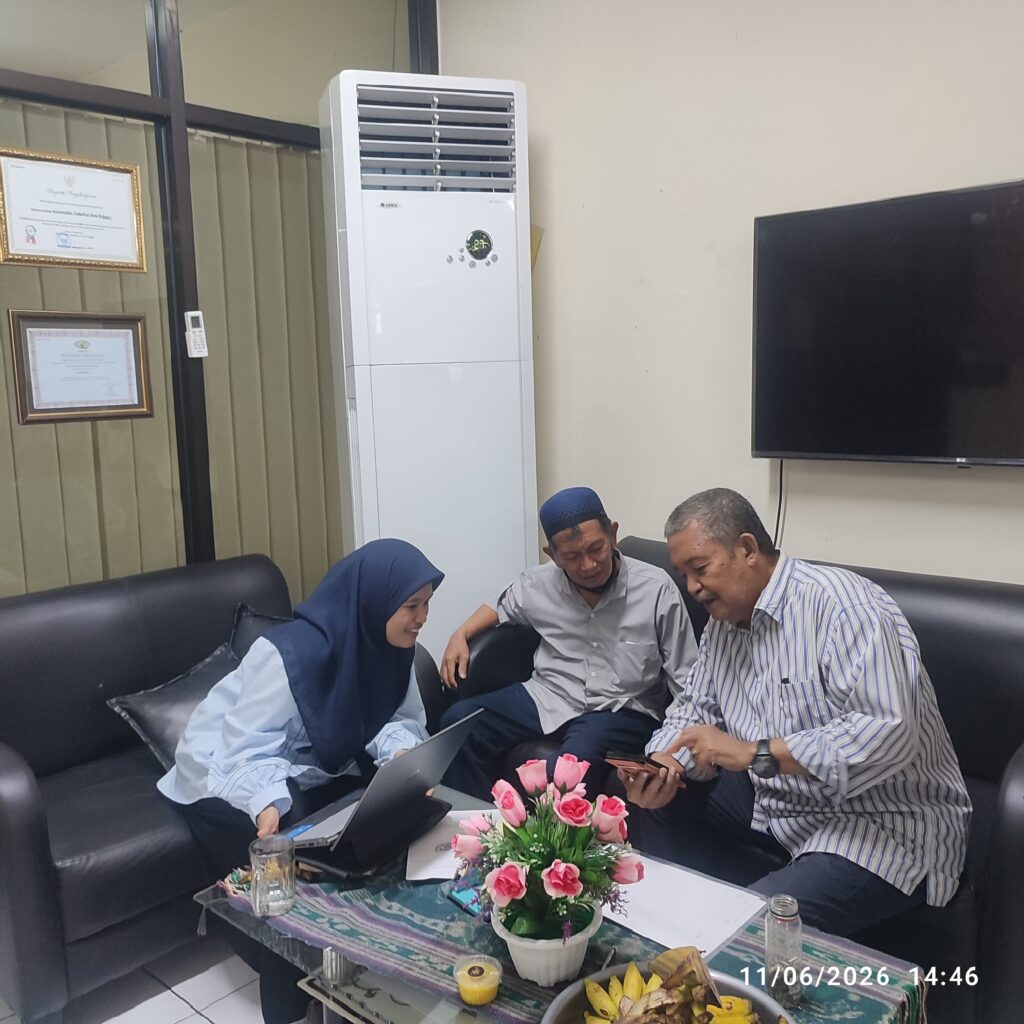
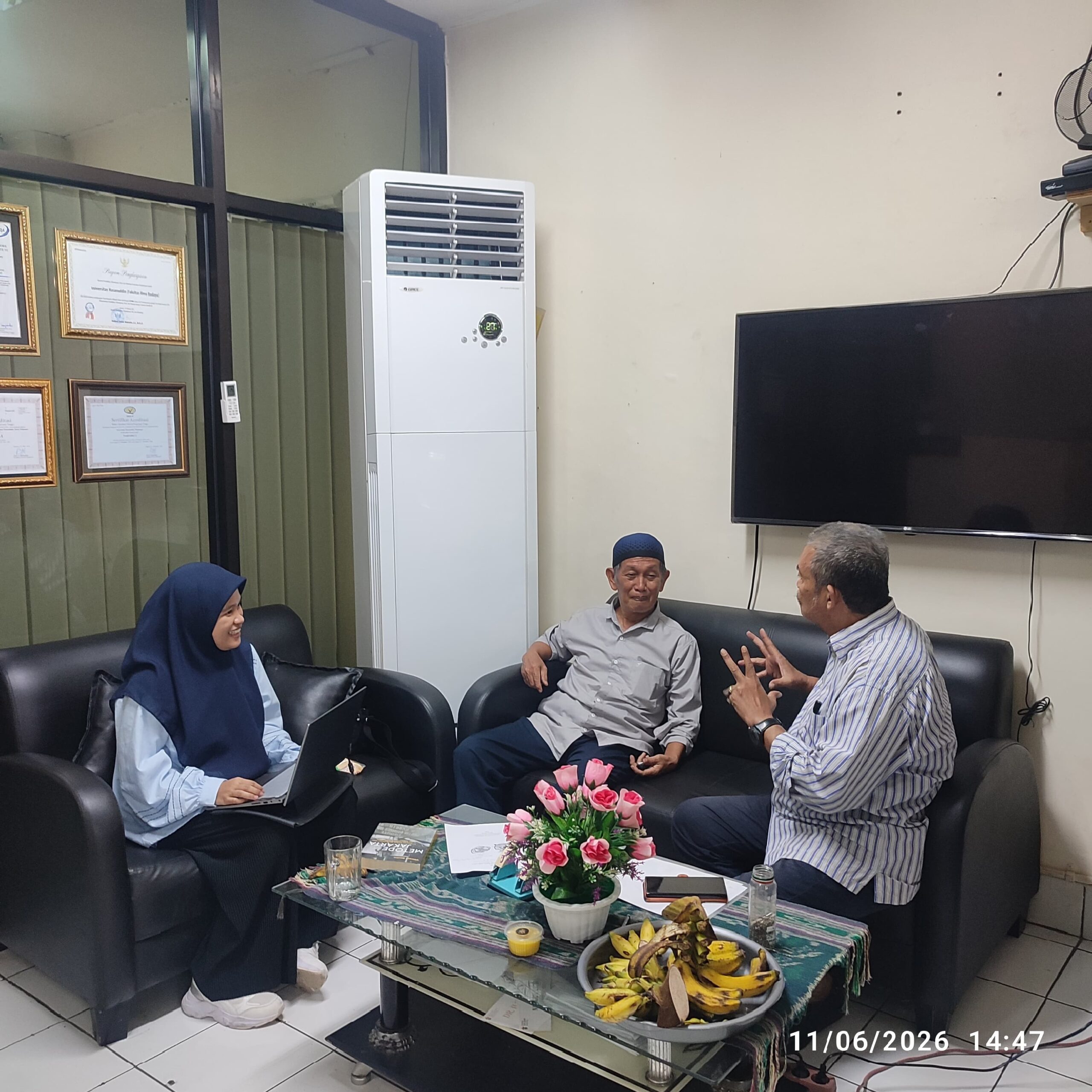
A rigorous understanding of contemporary cultural preservation requires a precise mapping of historical foundations. On June 11, 2026, the Thematic Research Group (TRG) Ethno-Literature, operating under LP2M Hasanuddin University, convened a strategic academic consultation at the Faculty of Cultural Sciences (FIB). The primary objective of this meeting was to engage in an intensive historical dialogue regarding the arrival and settlement patterns of the Bajo tribe in South Sulawesi—a critical component of the group’s ongoing overarching research project.
The intellectual exchange featured an intimate group of four key participants, optimizing the depth of the academic inquiry. The research team consulted with Dr. Suriadi Mappangara, a prominent historian and the current Chairman of the Oral Tradition Association (ATL) of South Sulawesi, who was accompanied by Dr.cand. Andi Lily Evita. Their combined expertise provided the critical historiographical and oral-tradition frameworks needed to validate field data. Active student researchers Citra Andini, Fakhreny Fathu Rahman, and Ahmad Jaelani Asha participated directly in the session, embedding undergraduate and graduate mentorship into the core of high-level historical reconstructions.
This targeted academic discussion directly advances global development frameworks by ensuring that local historical documentation meets international benchmarks. By establishing a formal intellectual bridge between the university’s research group and a specialized provincial cultural body like ATL South Sulawesi, the activity demonstrates the power of institutional collaborations. This synergy aligns perfectly with SDG 17 (Partnerships for the Goals), optimizing the mobilization of localized historical knowledge and expert methodologies to safeguard intangible maritime heritage.
Furthermore, the direct involvement of student researchers serves as a practical model for advanced qualitative education, supporting SDG 4 (Quality Education). By participating in primary data verification with leading historians, Citra, Fakhreny, and Ahmad gained immersive training in archival integration and oral history methodologies. This experience bridges the gap between theoretical coursework and rigorous scientific inquiry, preparing the next generation of scholars to handle complex cultural data.
Ultimately, documenting the precise historical and socio-cultural trajectory of the Bajo people provides the necessary empirical baseline for inclusive regional policymaking, which is vital for SDG 1 (No Poverty). Recognizing the historical rights, cultural identity, and traditional maritime spaces of indigenous communities is a fundamental prerequisite for designing effective economic empowerment programs. By understanding their historical roots, stakeholders can create poverty reduction initiatives that respect local heritage and foster long-term resilience.
By anchoring contemporary ethnographic observations within verified historical contexts, the TRG Ethno-Literature continues to strengthen the scientific validity of its research. This consultation at FIB Unhas ensures that the narrative of the Bajo people is preserved not merely as folklore, but as an essential chapter in the broader historical and socio-ecological tapestry of Southeast Asia.