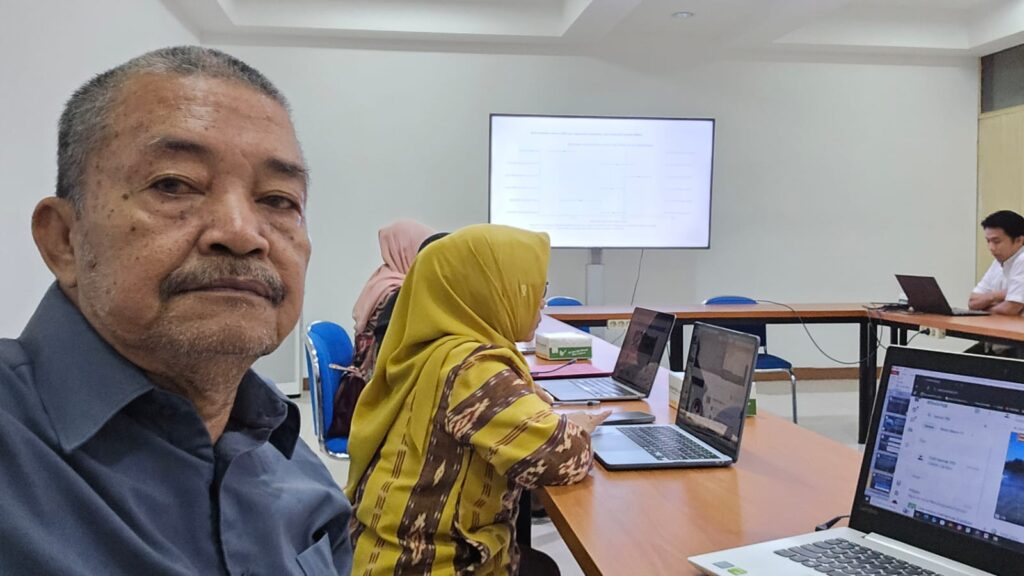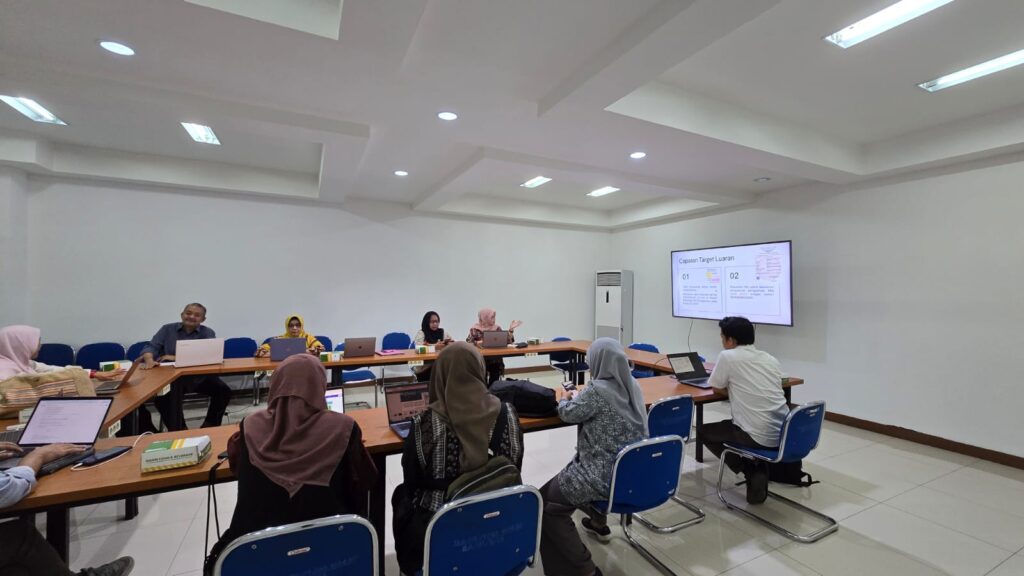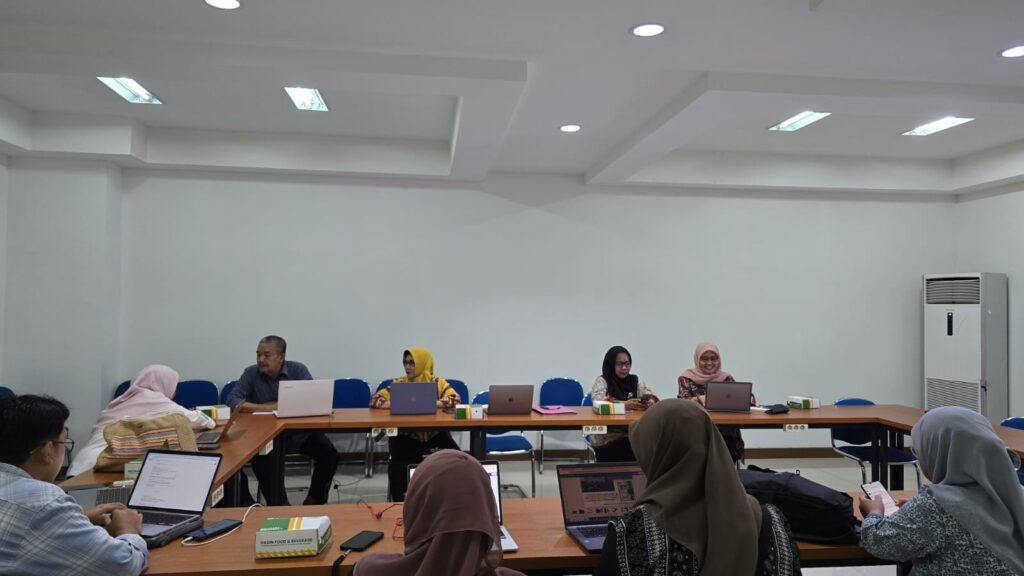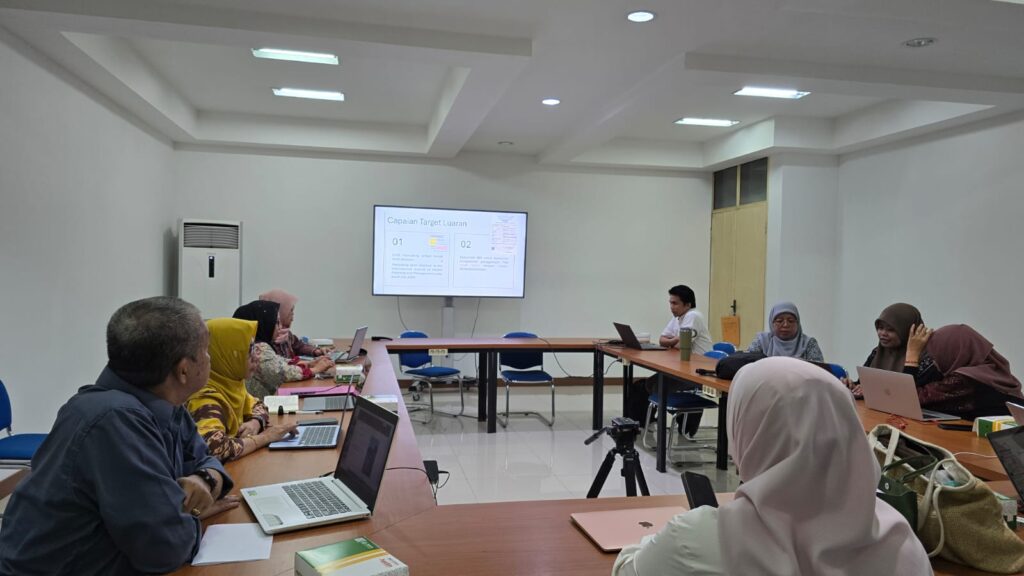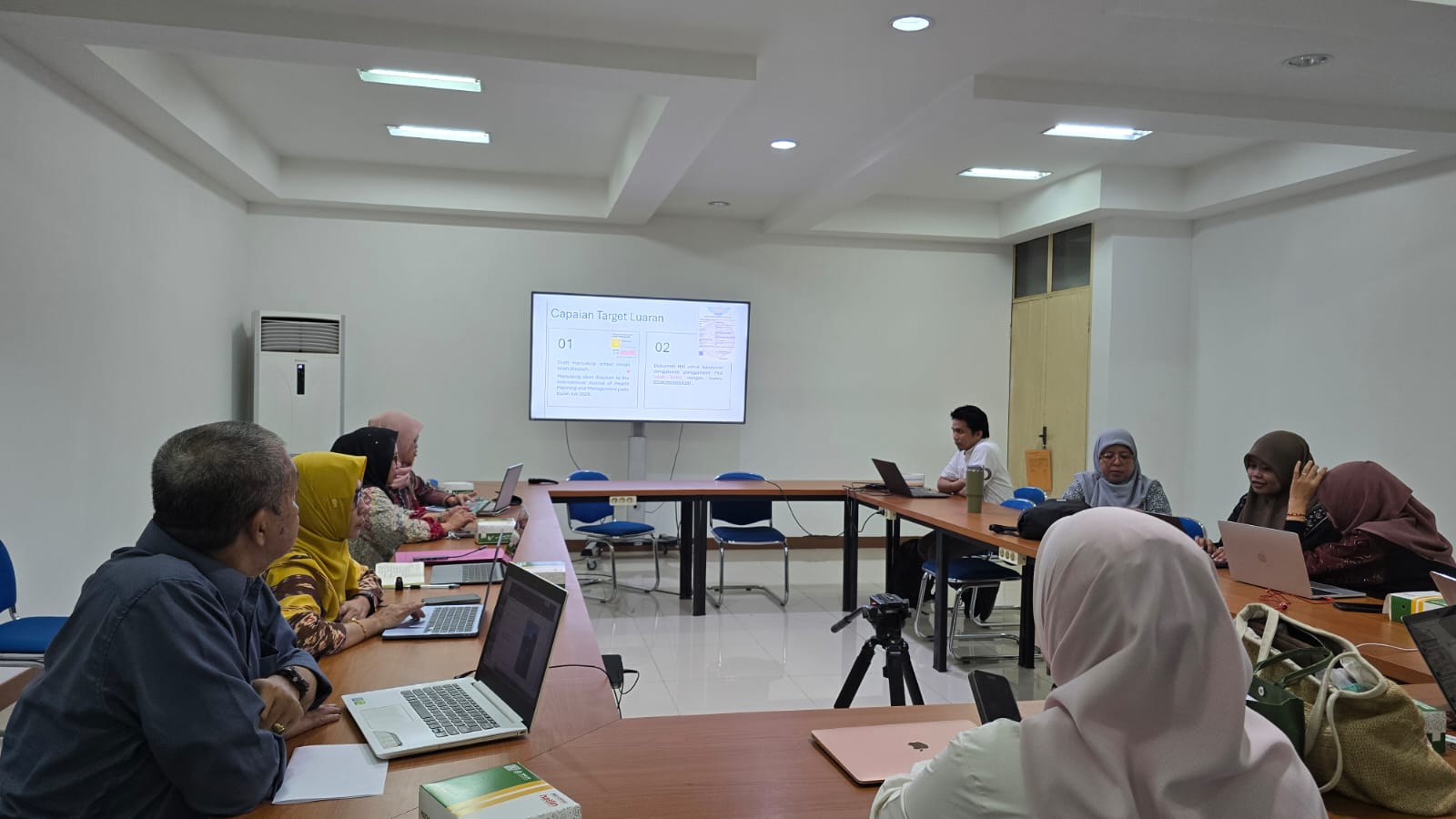

The transition from localized field data to broad regional synthesis requires meticulous oversight and strategic planning. On June 29, 2026, the Thematic Research Group (TRG) Ethno-Literature convened a high-level monitoring and evaluation session titled “Monev Capaian Target Penelitian TRG” at the LP2M Hasanuddin University Office. This critical evaluation was designed to review and systematically analyze the research outputs gathered from previous fieldwork concerning the Bajo Tribe within South Sulawesi, while simultaneously establishing a concrete roadmap for a much larger expansion that will cover the entire island of Sulawesi.
The evaluation drew an assembly of approximately 20 key participants, signaling strong institutional investment in the longevity of the project. To ensure the expanded research framework meets global standards, the session integrated insights from key international contributors, namely Prof. Dr. Awang Azman Awang Pawi from Universiti Malaya, Malaysia, and Prof. Dr. Aminah Jehwae from Prince of Songkla University, Thailand. Their ongoing involvement provides the strategic comparative analysis necessary to map the maritime networks of the Bajo people across national boundaries. Active student researchers Citra Andini, Fakhreny Fathu Rahman, and Ahmad Jaelani Asha participated in the evaluation, ensuring that undergraduate and graduate data-gathering skills are aligned with the project’s scaling requirements.
This expansive institutional step serves as a practical execution of SDG 17 (Partnerships for the Goals). By leveraging the cross-border expertise of scholars from Malaysia and Thailand to evaluate and plan a multi-regional study, the TRG demonstrates the power of long-term international collaborations. This partnership optimizes the sharing of knowledge, methodologies, and analytical tools, setting a benchmark for trans-regional ethnographic research in Southeast Asia.
Furthermore, the integration of students into this high-level programmatic planning directly advances SDG 4 (Quality Education). Citra, Fakhreny, and Ahmad were not just observers; they were exposed to the rigors of project evaluation, data validation, and research scaling. This immersive educational environment bridges the gap between basic field methodology and large-scale project management, producing culturally literate scholars capable of driving complex academic operations.
The strategic vision discussed during this Monev also addresses SDG 1 (No Poverty) on a much grander scale. Moving beyond South Sulawesi to encompass the entire island allows the research team to map out broader socio-economic vulnerabilities and traditional resilience structures shared by disparate Bajo communities. The resulting comprehensive data will provide a vital empirical blueprint for policymakers across Sulawesi to design inclusive economic development and poverty-alleviation programs that protect the unique maritime livelihoods and rights of these populations.
By evaluating past milestones and charting an expansive path across the entire Sulawesi island, the TRG Ethno-Literature ensures that its research remains dynamic and highly impactful. This session at the LP2M Unhas Office reinforces the university’s position as a driving force in maritime cultural studies, translating local insights into a unified, island-wide preservation strategy.