

Description
This research project focuses on the Bajo tribe's oral literature in South Sulawesi, specifically examining the critical intersection between cultural preservation and the growing threats of extinction. The study’s core objective is to identify the sociolinguistic factors contributing to the decline of traditional maritime narratives and folklore among the "Sea Nomads."
By documenting these endangered oral traditions, the research highlights their profound cultural relevance as a repository of indigenous wisdom and identity. The potential impact of this work lies in its contribution to linguistic safeguarding, providing an essential foundation for community-led revitalization efforts that ensure the Bajo’s unique literary heritage is preserved for future generations.
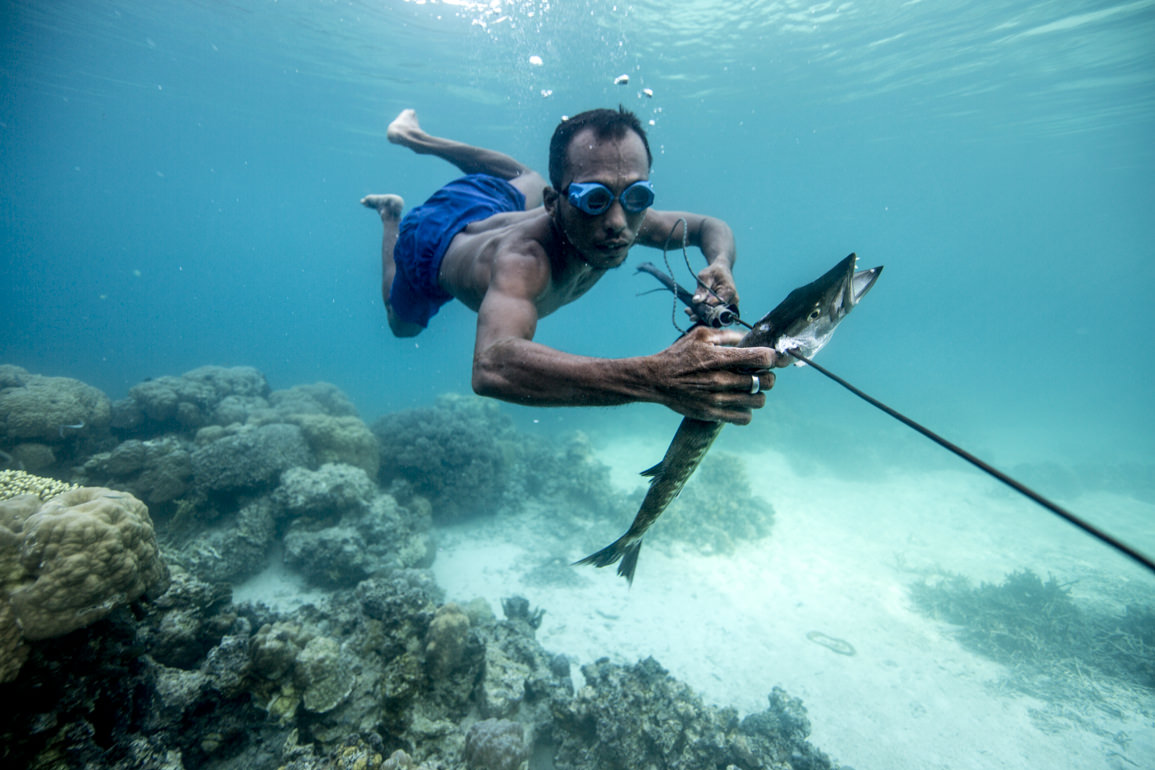
Description
This research project examines the oral literature of the Bajo tribe across South and Southeast Sulawesi, focusing on the critical tension between tradition and modernity. The study’s core objective is to analyze the relationship between cultural preservation efforts and the rising threats of linguistic and narrative extinction.
By documenting oral histories, myths, and maritime folklore, the research highlights the cultural relevance of these narratives as the lifeblood of Bajo identity. The potential impact of this work lies in the development of practical salvage strategies, providing a blueprint for linguists and cultural practitioners to revitalize endangered oral traditions and ensure their survival for future generations of "Sea Nomads."
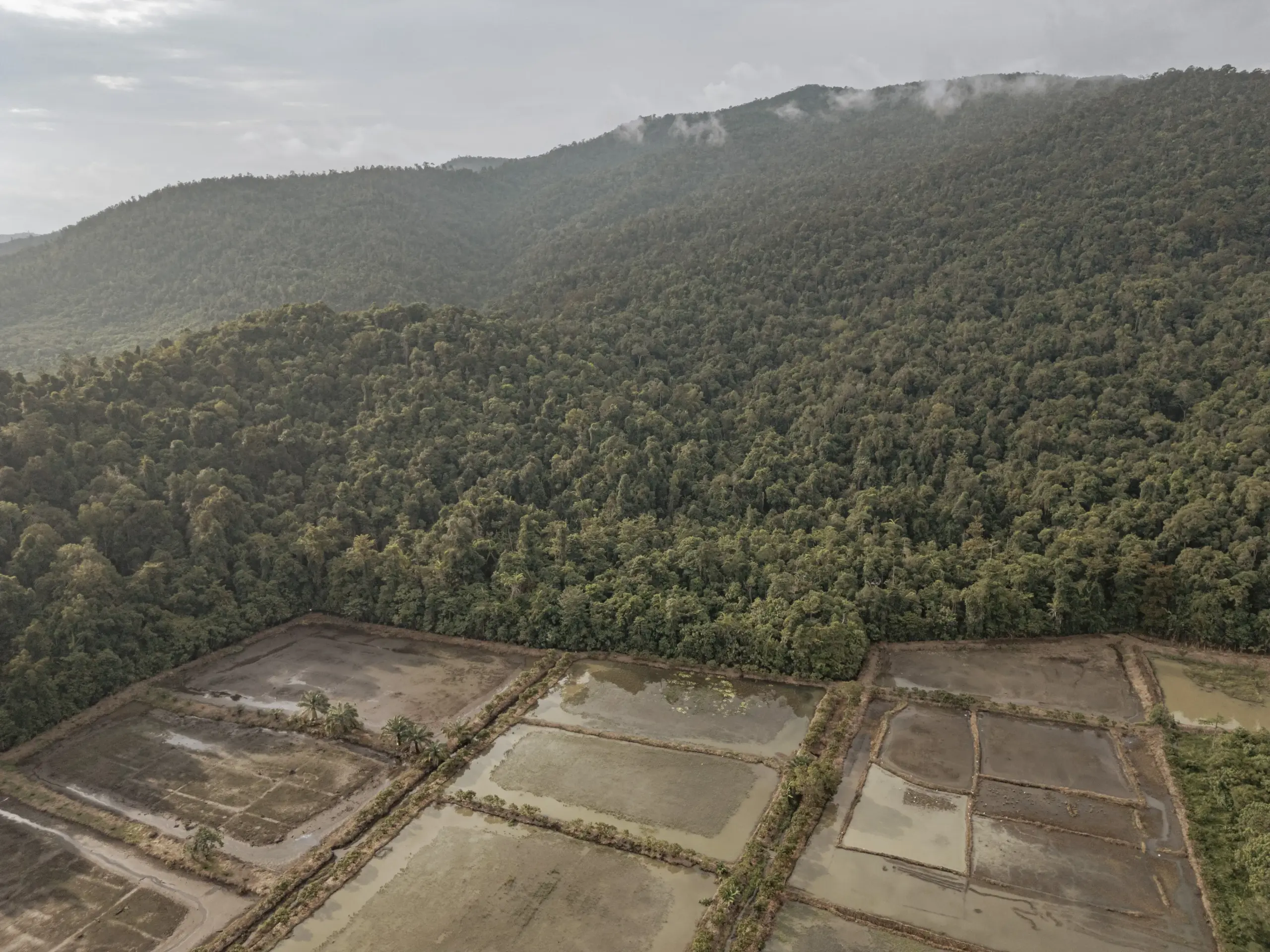
Description
This research project investigates the transmission patterns of traditional ecological knowledge (TEK) within the To-Cerekang indigenous community. The study’s core objective is to map how ancestral environmental wisdom is passed down through generations, ensuring the continuity of sustainable land and water management practices.
By identifying these cultural conduits, the research highlights the profound relevance of indigenous belief systems in maintaining ecological balance. The potential impact of this work lies in its contribution to safeguarding intangible cultural heritage, offering a model for community-driven conservation that integrates ancient traditions with contemporary environmental challenges, thereby securing the resilient future of the To-Cerekang’s sacred ancestral landscapes.

Description
This research project offers a comprehensive ethno-cultural study on the preservation of Bajo cultural heritage within the specific geographic and social context of Bone Regency. The study’s primary objective is to document and analyze the traditional mechanisms that allow the Bajo community to maintain their distinct identity amidst modern societal pressures.
By examining the intricate relationship between their nomadic maritime roots and their current settled environments, the research underscores the profound cultural relevance of indigenous resilience. The potential impact of this study lies in its contribution to cultural policy and regional heritage management, providing a strategic framework to ensure that the unique traditions of the Bajo people remain a vibrant and protected part of Indonesia’s diverse cultural landscape.
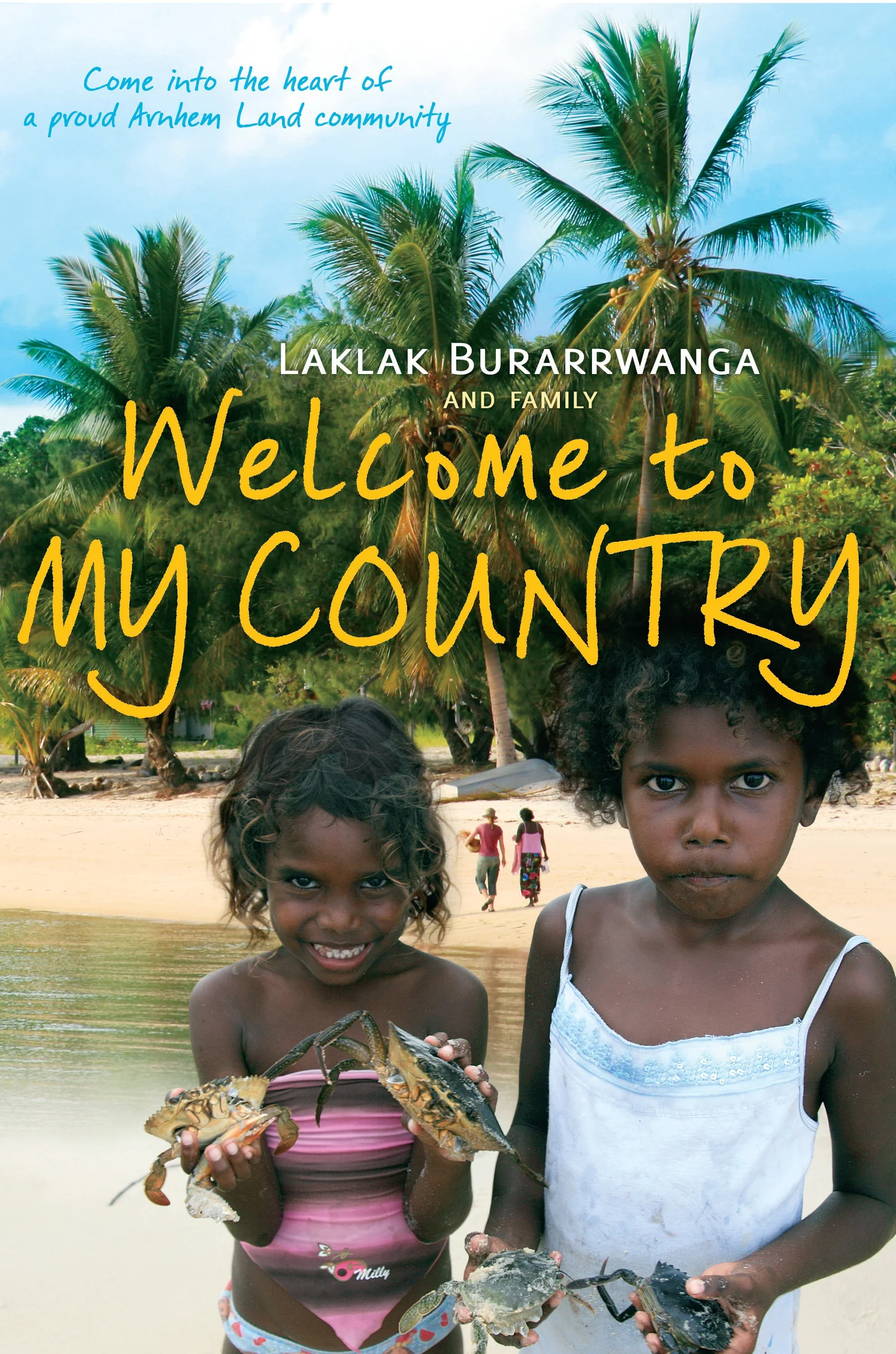
Description
This research project examines the intersection of gender, culture, and environmental stewardship through an ecofeminist critical analysis of the Aboriginal storybook Welcome to My Country. The study’s core objective is to illuminate the pivotal role women play in fostering and maintaining an environmentally conscious culture within indigenous contexts.
By analyzing the narrative’s representation of the land and its female guardians, the research highlights the cultural relevance of traditional ecological wisdom in addressing modern environmental crises. The potential impact of this work lies in its ability to bridge the gap between feminist theory and environmental ethics, advocating for a more inclusive, gender-aware approach to global conservation strategies and cultural literacy.
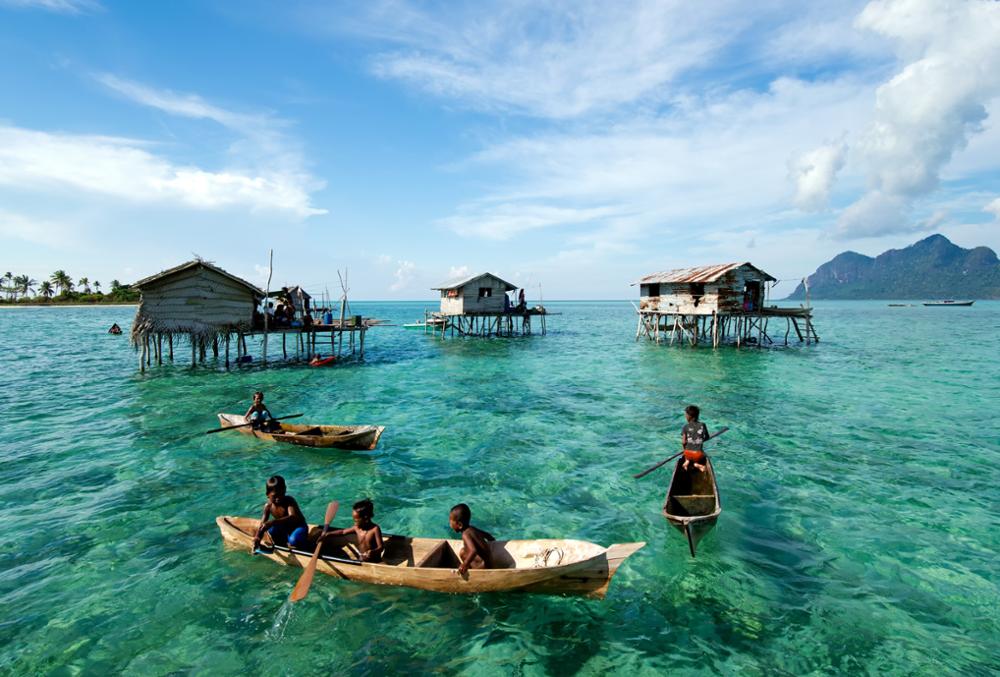
Description
This research project explores the vital intersection between the cultural preservation of the Bajo tribe and the sustainable management of marine ecosystems. Traditionally known as "Sea Nomads," the Bajo people possess a profound, centuries-old symbiotic relationship with the ocean.
The core objective is to analyze how their unique indigenous knowledge and cultural practices serve as a cornerstone for modern environmental conservation. By documenting these traditional wisdoms, the study highlights the Bajo’s indispensable role in safeguarding marine biodiversity and natural resources. Ultimately, this research aims to provide a framework for community-based ecological policies that honor cultural heritage while ensuring the long-term resilience of Indonesia’s maritime environment.
Description
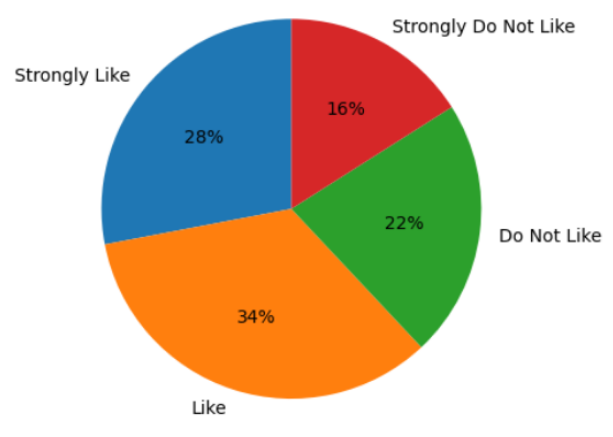
In today’s digital world, children do not learn only from parents and teachers. They also learn from cartoon heroes, animated films, online videos, and digital characters they watch every day. This is the central message of the article “The Social Construction of Moral Authority in Children’s Character Learning: A Media-Based Perspective,” published in the Dialectica Online Publishing Journal by DOP on February 10, 2026. The study invites us to rethink a simple but important question: who actually teaches children right and wrong in the modern age?