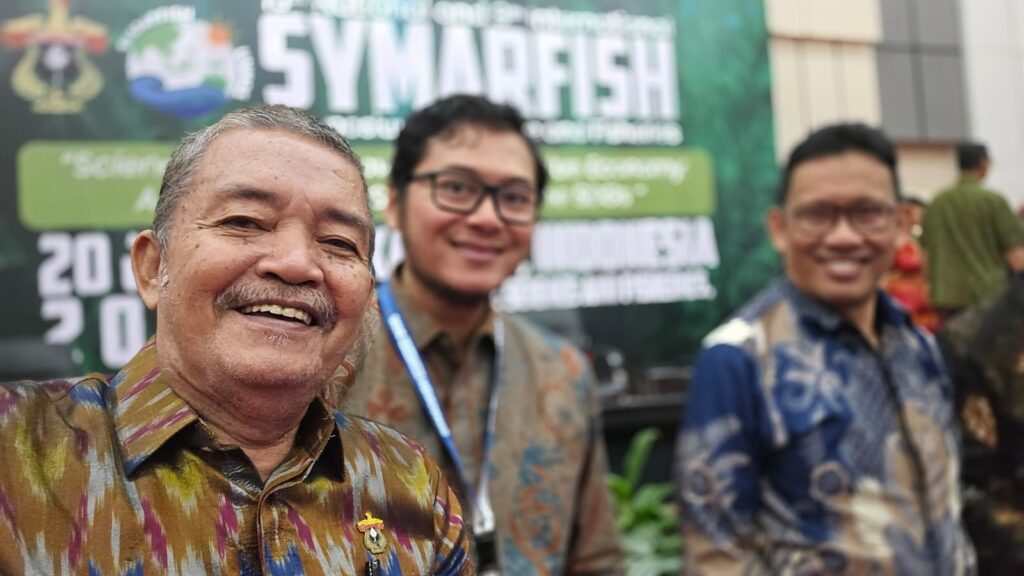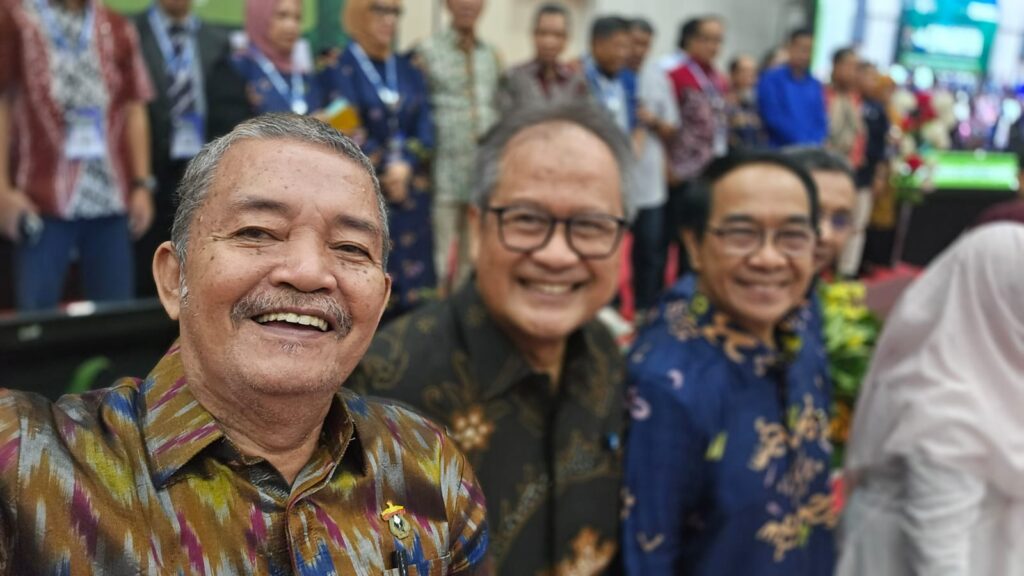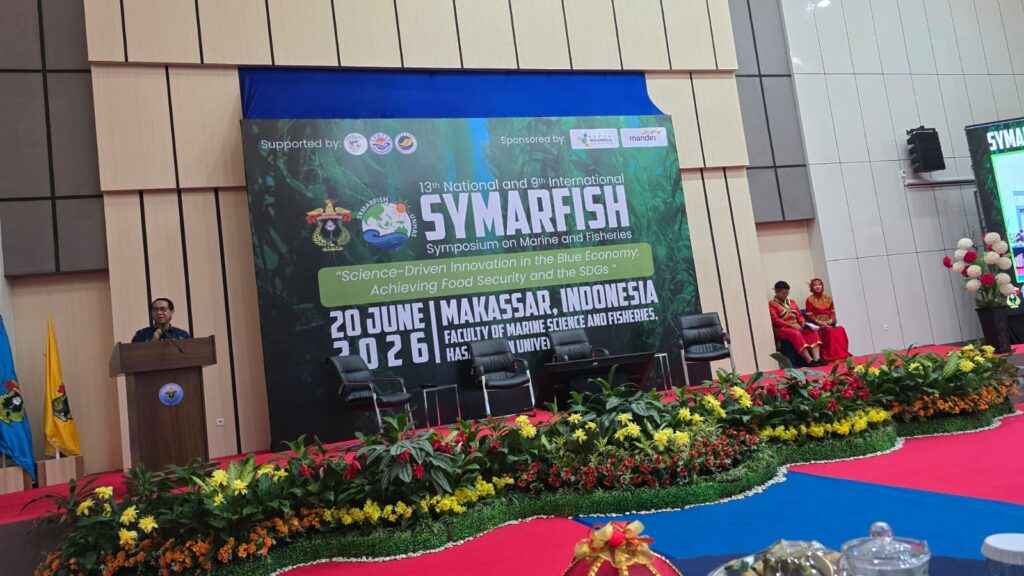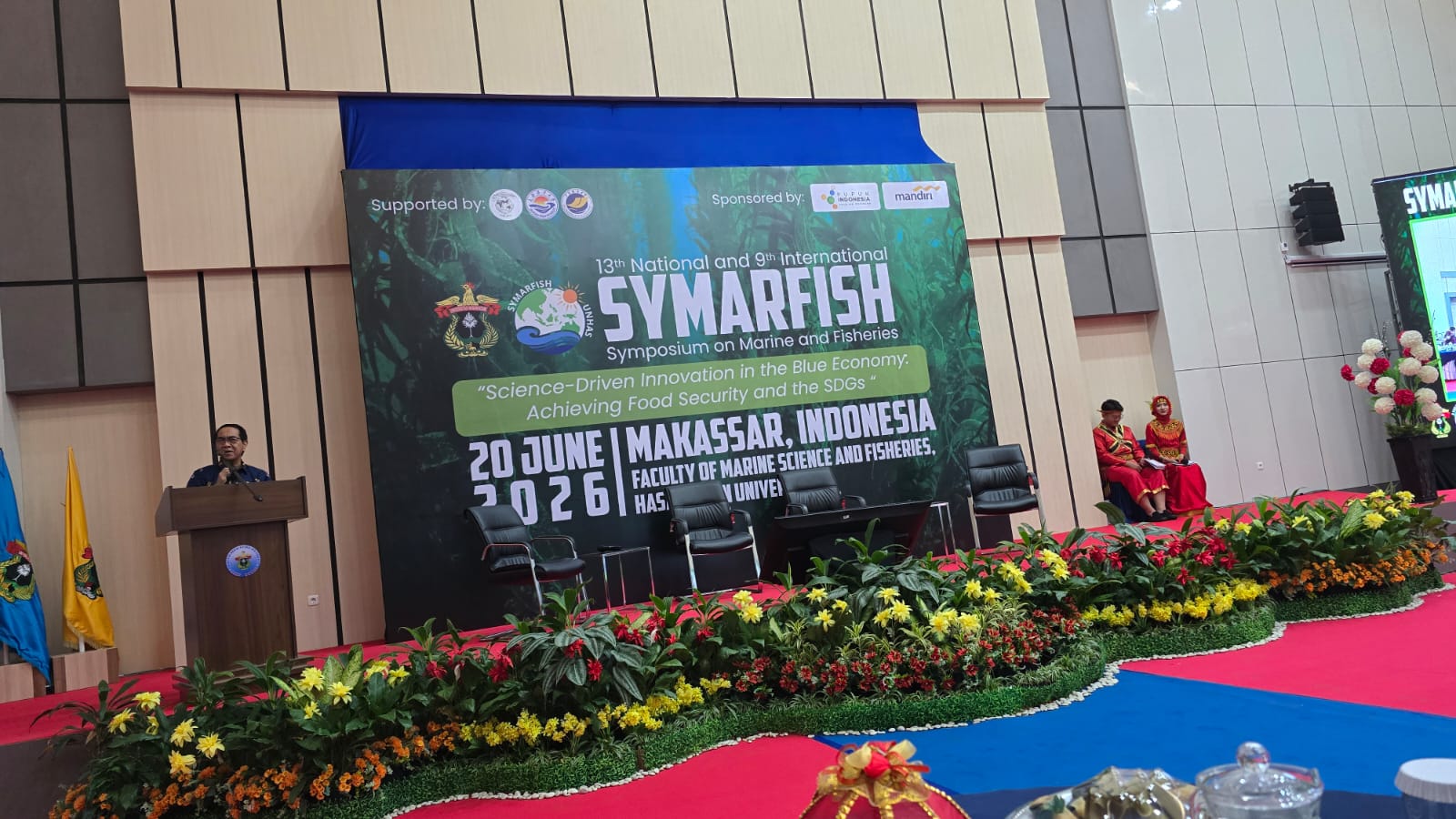

The intersection of indigenous cultural practices and environmental sustainability takes center stage as global scholars unite to address maritime challenges. On June 20, 2026, the Thematic Research Group (TRG) Ethno-Literature actively participated in the Symposium on Marine and Fisheries (SYMARFISH), held at the Faculty of Marine Science and Fisheries, Hasanuddin University. The fundamental objective of attending this high-level symposium was to strengthen and validate the research on the “Cultural Maintenance of the Bajo Tribe in the Conservation and Preservation of Marine Natural Resources,” an ongoing flagship initiative led by Prof. Fathu Rahman.
The symposium drew an esteemed assembly of approximately 30 key participants, reflecting the highest level of institutional support. The event was attended by the Rector of Hasanuddin University, Prof. Dr. Ir. Jamaluddin Jompa, M.Sc., and the Head of LP2M Unhas, Prof. dr. Muh. Nasrun Massi, Ph.D., underscoring the strategic importance of transdisciplinary research that bridges the humanities with marine sciences. Furthermore, the academic rigor of the event was elevated by three distinguished international speakers: Prof. Dr. Bayram Ozturk from Istanbul University, Prof. Dr. Lim Phaik Eem from the University of Malaya, and Prof. Xuefeng Wang, Ph.D. from Guangdong Ocean University. Alongside these global experts, student researchers such as Citra Andini, Fakhreny Fathu Rahman, and Ahmad Jaelani Asha were integrated into the deliberations, ensuring direct exposure to international scientific discourse.
This engagement serves as a concrete manifestation of SDG 17 (Partnerships for the Goals). By bringing together experts in marine biology, fisheries, and ethno-literature from Turkey, Malaysia, China, and Indonesia, SYMARFISH facilitated a robust global partnership. This interdisciplinary collaboration is essential for developing comprehensive frameworks that leverage traditional ecological knowledge for modern marine conservation, demonstrating that academic silos must be broken to solve complex environmental issues.
The presence and active contribution of student researchers directly advance SDG 4 (Quality Education). Participating in a symposium of this caliber provides undergraduate and graduate students with a transformative learning experience. By engaging with world-class scientists and university leadership, these students gain firsthand insight into how field data is defended, peer-reviewed, and integrated into global scientific literature, thereby fostering the next generation of top-tier researchers.
Moreover, the research presented holds critical implications for SDG 14 (Life Below Water). The Bajo people possess centuries of inherited wisdom regarding marine ecosystems. By documenting and defending the cultural mechanisms through which the Bajo tribe maintains marine resources, TRG Ethno-Literature provides empirical support for community-based conservation strategies. This research proves that protecting cultural heritage is directly linked to the sustainable management of life below water.
The outcomes of this symposium also contribute to SDG 1 (No Poverty). Marine degradation directly threatens the livelihoods of coastal communities like the Bajo. By establishing institutional and international backing for their traditional conservation methods, the research aids in creating sustainable economic models that protect both the marine environment and the economic resilience of the people who depend on it. Through its participation in SYMARFISH 2026, TRG Ethno-Literature continues to demonstrate that the preservation of identity is a prerequisite for sustainable ecological and economic survival.