

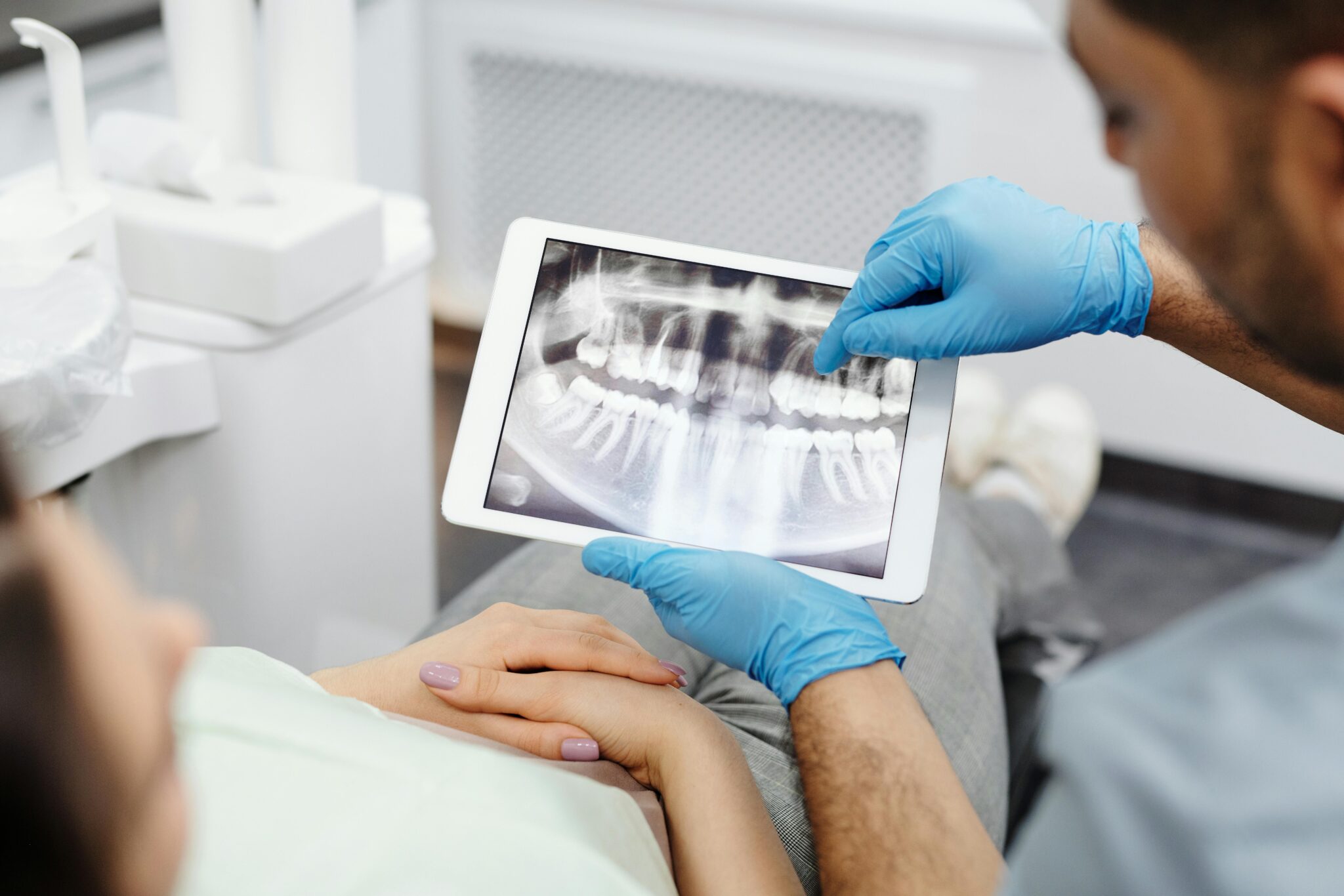
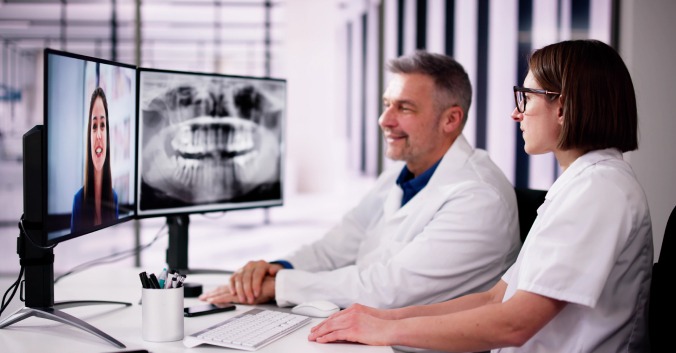
This article discusses the application of teledentistry as an innovative approach to support forensic identification, especially in remote and disaster-affected areas. By enabling remote analysis and collaboration among experts, teledentistry improves the efficiency, accessibility, and timeliness of identification processes. The study highlights its role in strengthening digital infrastructure and interdisciplinary partnerships in modern forensic systems.
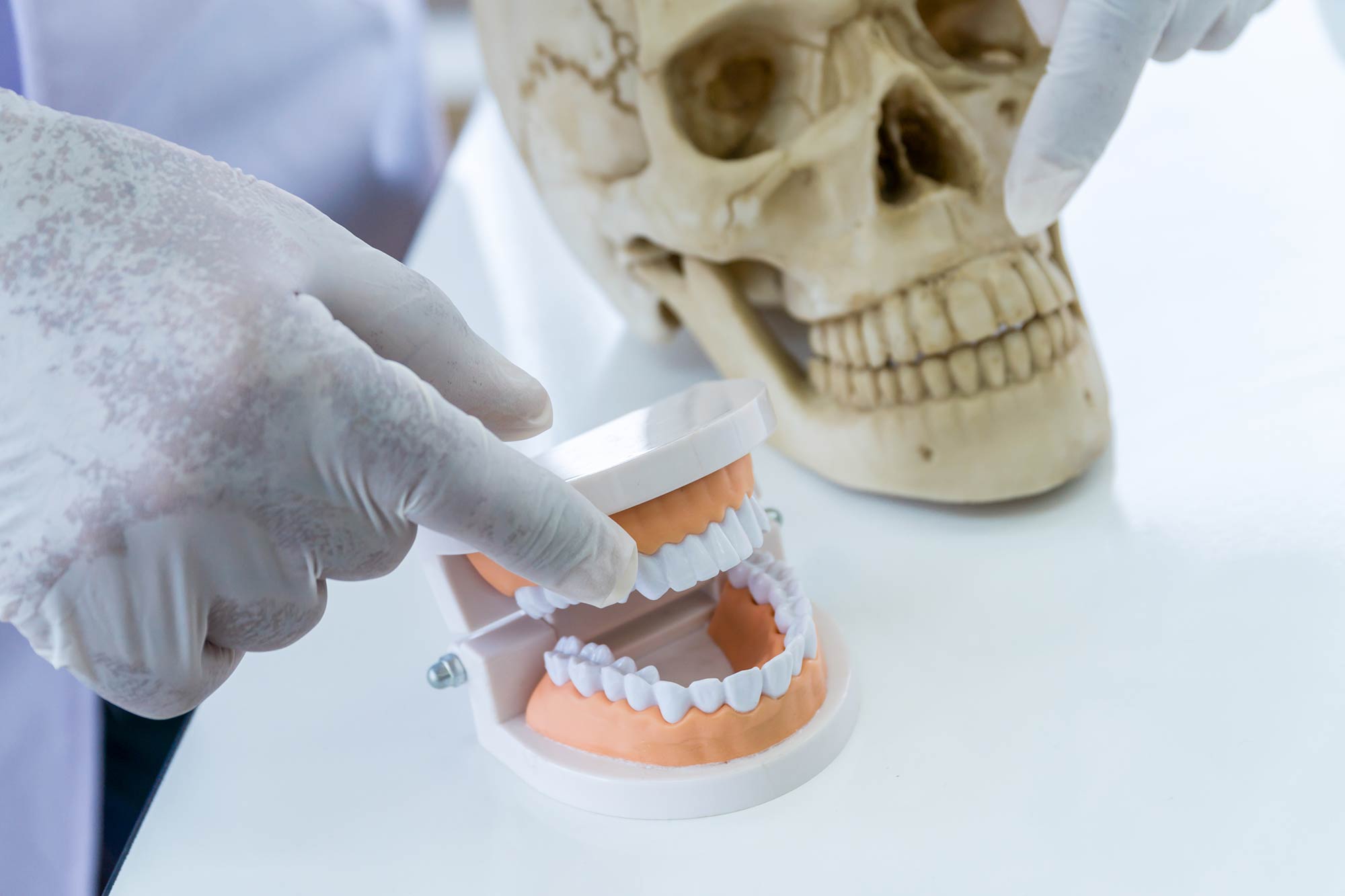
This article discusses the development of digital odontogram systems as an integrated solution for improving disaster victim identification. By enabling efficient data storage, access, and comparison, these systems enhance the accuracy and speed of forensic identification processes. The study highlights the importance of digital infrastructure, professional readiness, and institutional collaboration in building a more effective disaster response system.
This article discusses the use of dental DNA analysis as a reliable method for human identification in forensic investigations. By utilizing DNA extracted from dental tissues, this approach provides an effective solution in cases where other identification methods are limited. The study highlights its integration with digital forensic systems and its contribution to improving accuracy, reliability, and justice in forensic practices.

This article explores the use of 3D dental imaging as an advanced technology in forensic identification. By providing detailed and accurate visualization of dental structures, this approach enhances the comparison between antemortem and postmortem data. The study highlights its potential to improve the efficiency, accuracy, and reliability of forensic identification systems, particularly in disaster and complex investigation scenarios.
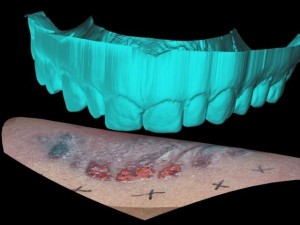
This article discusses the role of bite mark analysis as a forensic tool for human identification and criminal investigation. By integrating digital imaging and standardized analysis methods, this approach improves the accuracy and reliability of interpreting bite mark evidence. The study highlights its potential contribution to modern forensic systems, supporting justice processes and the advancement of forensic dentistry.
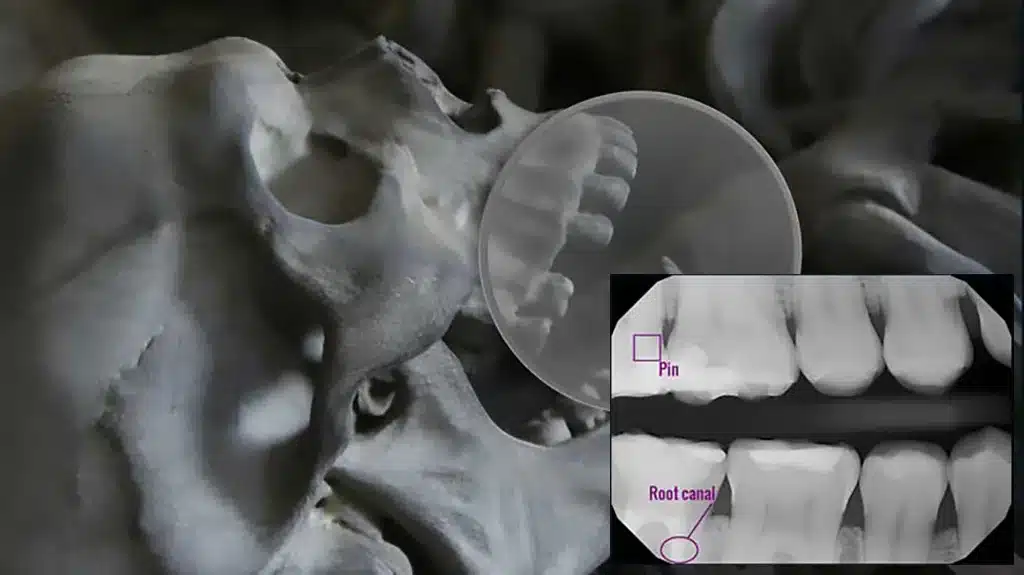
This article discusses the role of digital dental records as an innovative solution for improving disaster victim identification in Indonesia. By utilizing digital odontograms, the identification process becomes faster, more accurate, and more efficient compared to conventional methods. The study also highlights the importance of technological readiness among dental professionals and emphasizes the contribution of this innovation to humanitarian efforts and sustainable development goals.
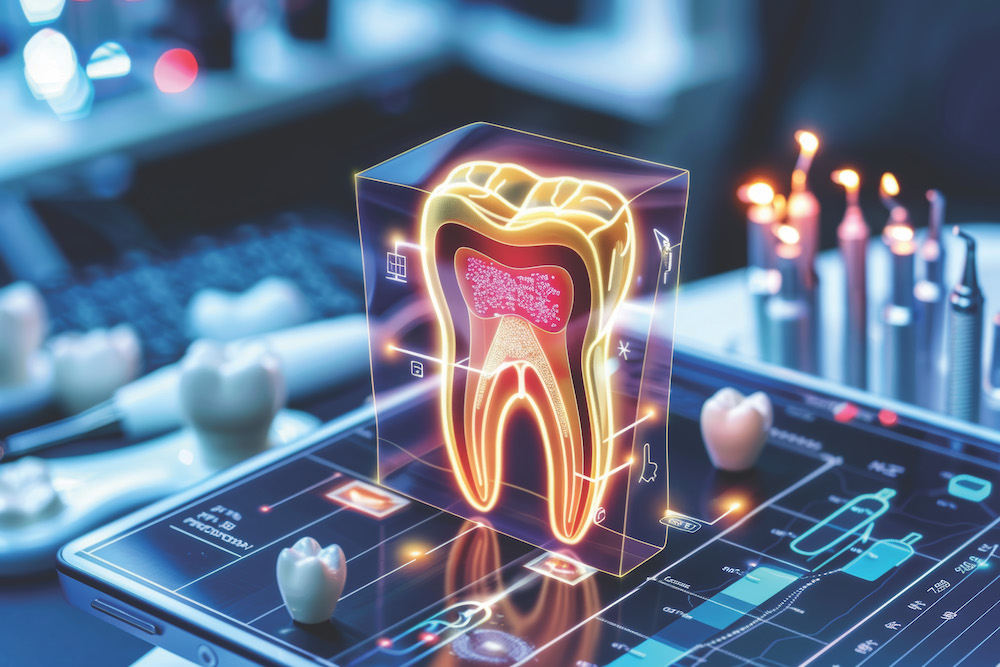
This research focuses on developing an AI-based system for analyzing dental images to support forensic identification. By integrating machine learning with digital odontograms, the system aims to improve the accuracy, efficiency, and objectivity of comparing antemortem and postmortem dental data, particularly in disaster victim identification scenarios.
Indonesia is one of the most disaster-prone countries in the world. Earthquakes, floods, landslides, and volcanic eruptions occur frequently due to the country’s geographical location along major tectonic plates. When large disasters occur, one of the most difficult humanitarian challenges is identifying the victims. Families need certainty, and governments need reliable methods to confirm identities. In this context, dental science—particularly forensic odontology—plays an essential role.