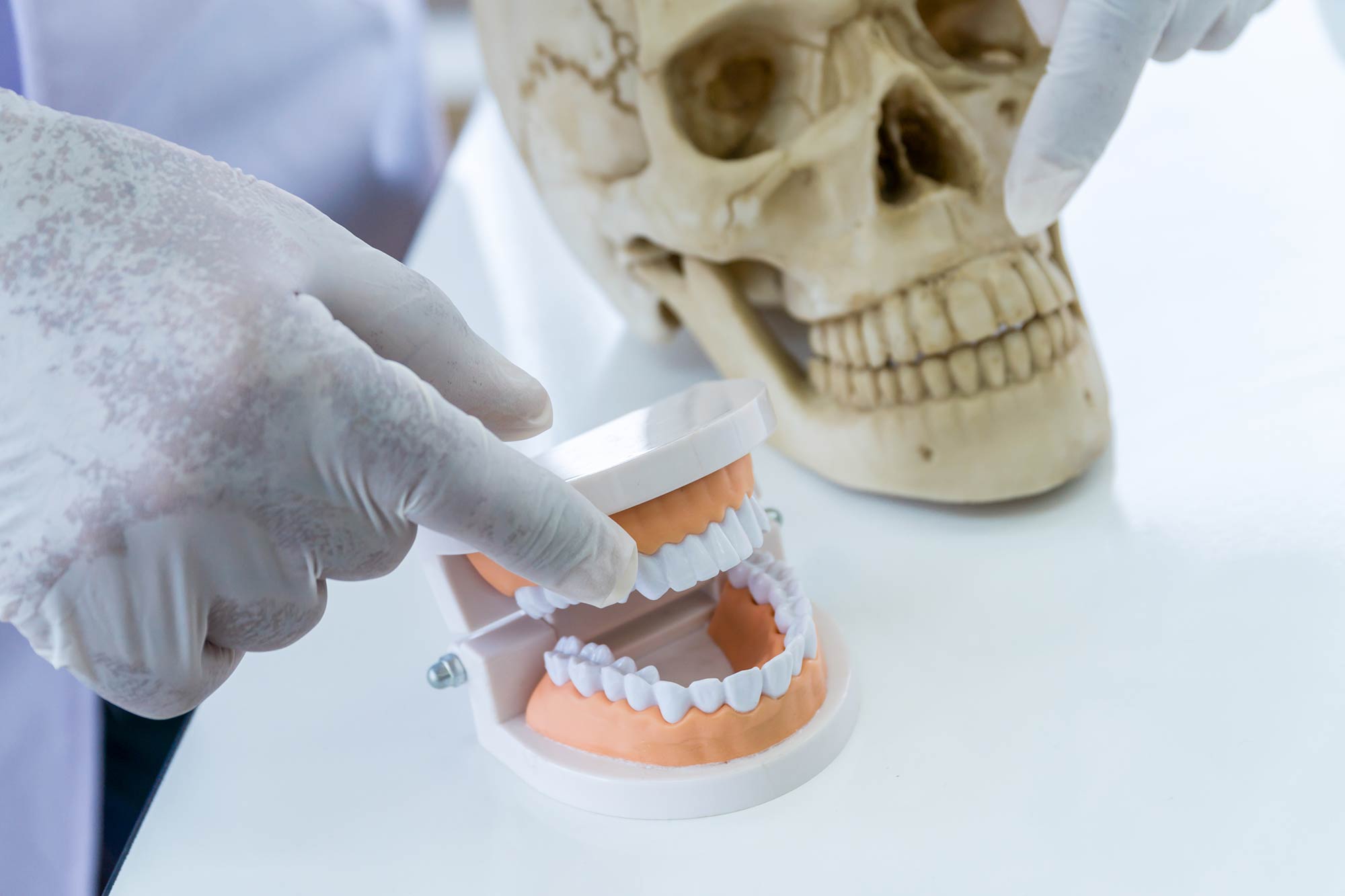

MAKASSAR, Indonesia, April 2026 – In disaster situations, time is critical. The faster victims can be identified, the sooner families can find closure and authorities can carry out necessary legal processes. However, traditional identification methods often face limitations, especially when dealing with large numbers of victims. This raises an important question: how can digital systems improve the efficiency of forensic identification?
One of the most promising solutions lies in the development of digital odontogram systems. An odontogram is a detailed chart that records the condition of an individual’s teeth, including restorations, missing teeth, and other unique features. When digitized, this information becomes a powerful tool for forensic identification, allowing faster access, storage, and comparison of dental data.
The Digital Forensic Dentistry Research Group at Hasanuddin University is currently focusing on the development of integrated digital odontogram systems to support Disaster Victim Identification (DVI). This research aims to create a structured and accessible digital platform that can store both antemortem and postmortem dental records in a standardized format. Such systems are essential for ensuring accurate and efficient identification, particularly in large-scale disasters.
One of the key advantages of digital odontogram systems is their ability to streamline data management. Instead of relying on manual records, forensic teams can quickly retrieve and compare data using digital tools. This not only speeds up the identification process but also reduces the risk of errors that may occur in manual documentation.
In addition, this research explores the importance of interoperability between institutions. Effective forensic identification requires collaboration between hospitals, dental clinics, forensic teams, and government agencies. By developing systems that allow data sharing and integration, this research supports a more coordinated and efficient disaster response.
The implementation of digital odontogram systems also highlights the importance of training and preparedness among dental professionals. Ensuring that dentists are familiar with digital recording systems is essential for building a reliable database that can be used in forensic situations. This readiness plays a crucial role in strengthening national disaster response capabilities.
This research is closely aligned with several Sustainable Development Goals (SDGs). It supports SDG 3: Good Health and Well-Being by improving forensic and healthcare services in disaster response. It also contributes to SDG 9: Industry, Innovation, and Infrastructure by promoting the development of digital systems and technological infrastructure. Furthermore, it aligns with SDG 17: Partnerships for the Goals, as effective implementation requires collaboration between multiple stakeholders.
In conclusion, digital odontogram systems represent a significant step toward modernizing forensic identification processes. By integrating technology, data management, and institutional collaboration, this research contributes to building a more efficient, accurate, and responsive system for disaster victim identification.
Reference:
DOI: https://doi.org/10.31305/rrijm.2025.v10.n9.015
Contact:
Digital Forensic Dentistry Research Group
Faculty of Dentistry, Hasanuddin University
Email: fuadhusainakbar@unhas.ac.id