
MAKASSAR, Indonesia, April 2026 – Indonesia is one of the most disaster-prone countries in the world, frequently experiencing earthquakes, floods, landslides, and volcanic eruptions. In the aftermath of these disasters, one of the most challenging tasks is identifying victims. For families, identification provides closure, while for authorities it ensures proper legal and administrative processes. But what if a digital system could make this process faster and more accurate?
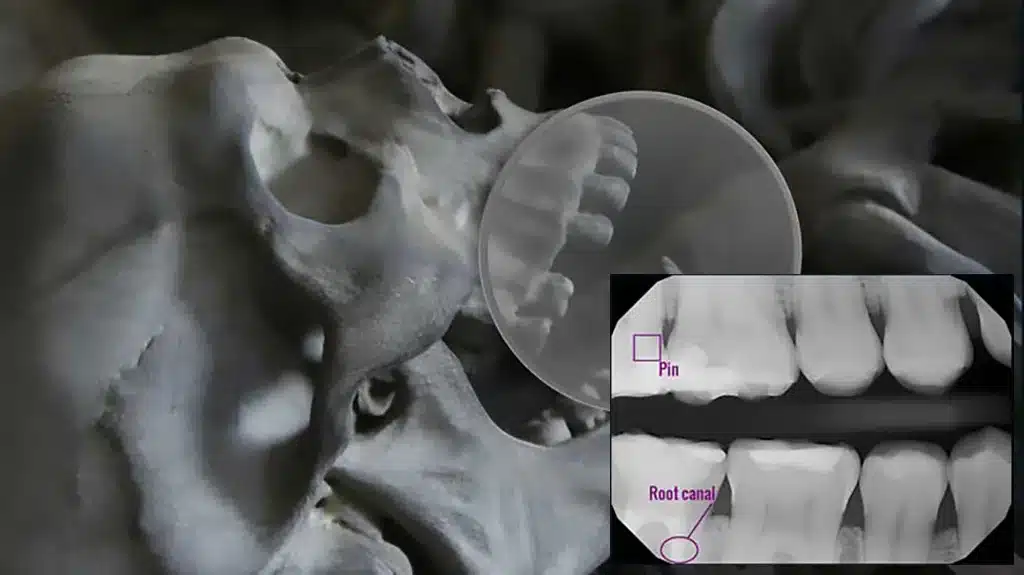
In this context, forensic dentistry plays a crucial role. Teeth are the most durable structures in the human body and can survive extreme conditions such as fire, decomposition, and trauma. Because of this, dental records have become one of the most reliable methods for identifying disaster victims, especially when other forms of identification are no longer possible.
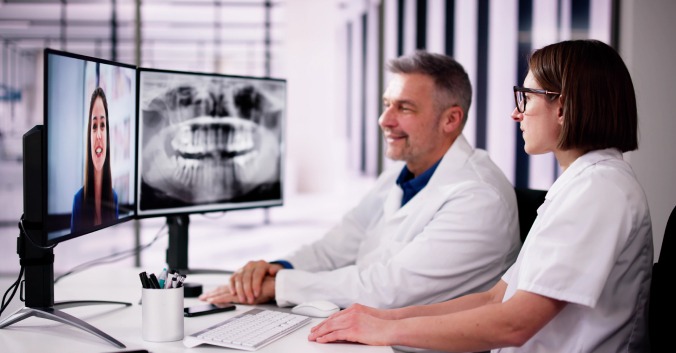
The Digital Forensic Dentistry Research Group at Hasanuddin University is currently conducting research on the use of digital dental records, particularly digital odontograms, to improve disaster victim identification processes. This activity focuses on transforming conventional dental records into digital formats that are easier to store, access, and analyze. By using digital systems, forensic experts can compare antemortem and postmortem data more efficiently and with greater accuracy.
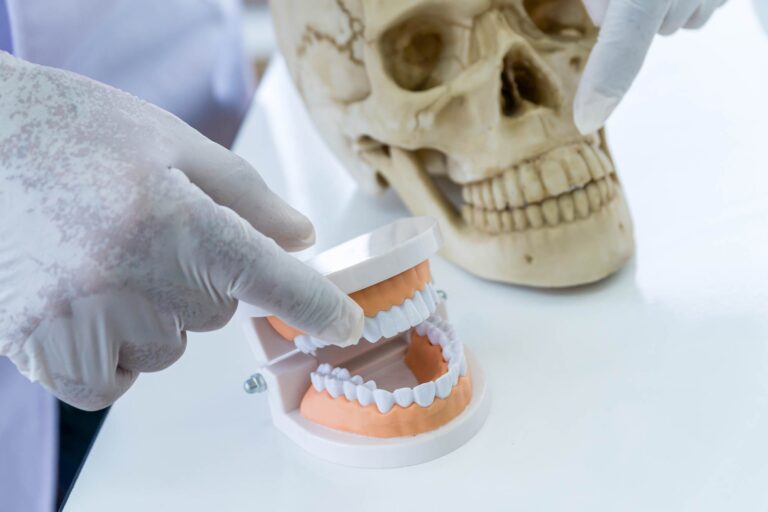
The idea behind this innovation is simple but powerful. Every individual has a unique dental structure, including the shape of teeth, fillings, and alignment. By comparing these characteristics, identities can be confirmed. Digital technology enhances this process by reducing human error and enabling faster data processing, which is especially important in large-scale disaster situations where time is critical.
In addition to technological development, this research also examines the readiness of dental professionals in adopting digital forensic tools. Improving digital literacy among dentists is essential to ensure that these systems can be effectively implemented in real-world conditions. This approach not only strengthens technical capabilities but also supports better coordination among institutions involved in disaster response.
This research is closely related to several Sustainable Development Goals (SDGs). It supports SDG 3: Good Health and Well-Being by improving forensic and healthcare services in disaster situations. It also contributes to SDG 4: Quality Education by enhancing the knowledge and skills of dental professionals in digital technology. Furthermore, it aligns with SDG 17: Partnerships for the Goals, as effective implementation requires collaboration between universities, healthcare institutions, government agencies, and international partners.
In conclusion, the use of digital dental records represents an important step toward modernizing forensic identification systems in Indonesia. By integrating technology with forensic science, this research contributes not only to scientific advancement but also to humanitarian efforts in ensuring that every victim is identified with dignity and respect.
Reference:
DOI: https://doi.org/10.1016/j.jflm.2020.102004
Contact:
Digital Forensic Dentistry Research Group
Faculty of Dentistry, Hasanuddin University
Email: fuadhusainakbar@unhas.ac.id