
PCD-RG and Universiti Sains Malaysia Conduct Collaborative Research on the Comparative Study of Community Participation in Conflict Resolution in Southeast Asia: Cases of Indonesia and Malaysia
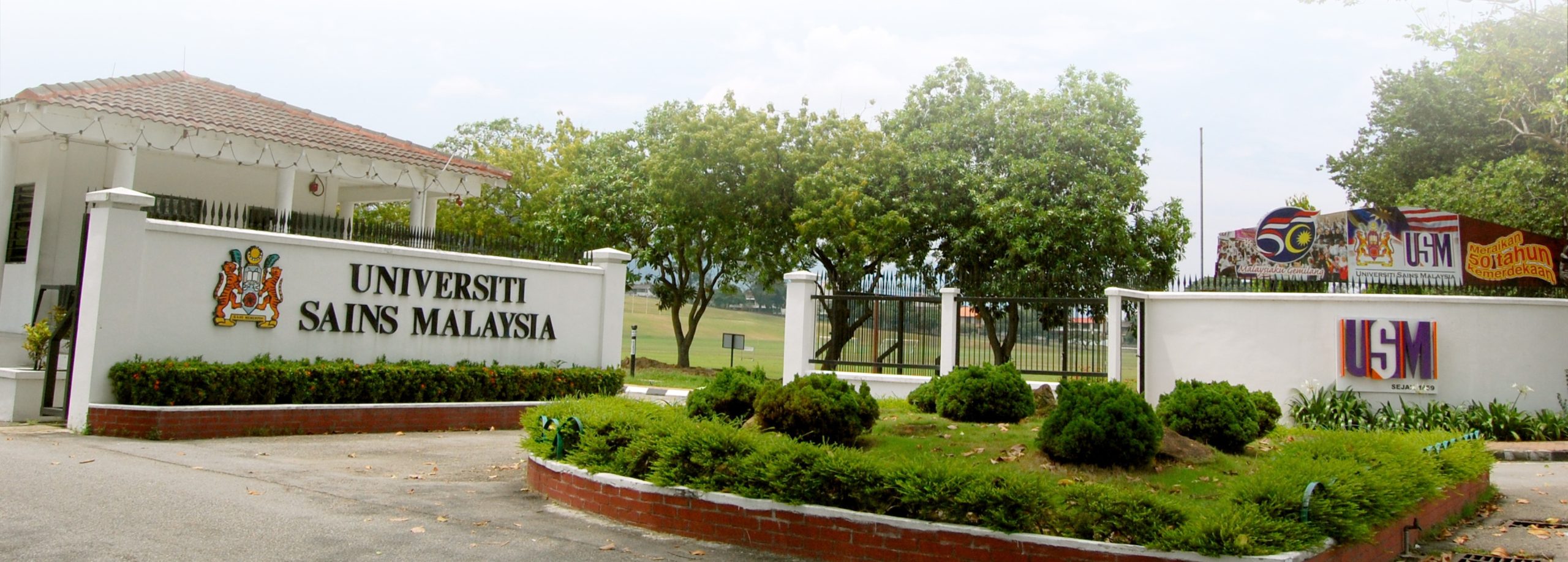
Achieving sustainable regional peace requires highly localized strategies that fundamentally transcend conventional, state-centric international diplomacy. Recognizing the indispensable value of grassroots mechanisms, the Peace, Conflict, and Democracy Research Group (PCD-RG) officially initiated a groundbreaking international partnership with Universiti Sains Malaysia (USM). Spanning meticulously from April 2025 to April 2026 for its primary field activities, this strategic academic endeavor explores intricate socio-cultural dynamics across two main research locations: Makassar in Indonesia and Penang in Malaysia. Comprising a highly dedicated, interdisciplinary team of exactly 15 researchers from both distinguished institutions, the collaborative project focuses deeply on the effectiveness of bottom-up approaches. By scientifically validating the profound impact of customary dialogues and community-led mediation, the initiative aims to foster enduring democratic governance and sustainable societal harmony.
This robust scientific collaboration features Dr. Muhammad Febriansyah, an esteemed lecturer from USM, as the primary international partner. His comprehensive expertise is integrated throughout the entire methodological spectrum, directly guiding research design, data collection, analytical processing, and the co-authoring of impactful scientific publications. The project operates on a rigorous, visionary multi-year roadmap. The “Basic Research” phase (2025–2026) aims to produce a robust empirical database and preliminary recommendations. This will seamlessly transition into the “Follow-Up Research and Model Development” phase (2027–2028), aimed at generating verified models and standardized guidelines, before culminating in the “Research Application” phase (2029–2030), which critically targets widespread model adoption to significantly strengthen regional peace across Southeast Asia.
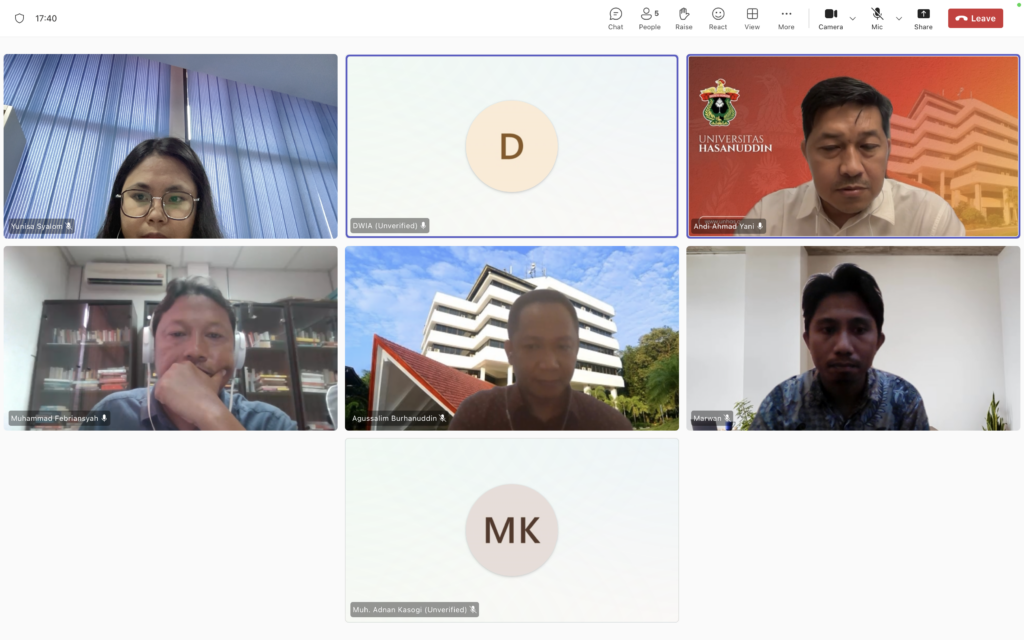
Fundamentally, this comparative study is structured around four critical academic objectives. First, it analytically unpacks community participation models in conflict resolution across both nations, focusing heavily on localized mechanisms. Second, researchers seek to precisely identify the functional roles of local actors in preventing and managing community-based disputes. Third, the study clarifies the specific socio-political factors that either support or hinder these participatory processes. Finally, by comparing the overarching effectiveness of these grassroots interventions, the research delivers powerful, evidence-based policy recommendations. Ultimately, this enriches theoretical paradigms by proving that localized community participation is not merely a conflict resolution tool, but the absolute foundation for responsive, inclusive, and democratic governance.
This monumental cross-border initiative directly champions the United Nations Sustainable Development Goals (SDGs). By uniting prominent Indonesian and Malaysian academic institutions to jointly formulate regional peacebuilding strategies, the project explicitly embodies SDG 17: Partnerships for the Goals. Furthermore, the active inclusion of Universitas Hasanuddin’s doctoral (S3) sociology students, Abd. Rasyid and Mandi Tandi Pare, vividly demonstrates a strong commitment to SDG 4: Quality Education. Their hands-on involvement cultivates advanced analytical skills for the next generation of academic leaders. Ultimately, this research provides indispensable guidance for governments and civic organizations to systematically design policies that are vastly more effective and sustainable.