PCD-RG/CPCD Collaborates with Sekolah Tinggi Teologia GKST Tentena and Lembaga Penguatan Masyarakat Sipil (LPMS) Poso to Conduct Research Survey
Robust empirical data serves as the absolute foundation for designing effective peacebuilding strategies. Advancing this critical scientific mission, the Peace, Conflict, and Democracy Research Group (PCD-RG) and the Center for Peace, Conflict, and Democracy (CPCD) initiated the crucial first stage of data collection under the prestigious “Riset Kolaborasi Indonesia” (Indonesian Collaborative Research) program. Executed meticulously between June 18 and June 25, 2026, this extensive field survey targeted seven specific sub-districts across Poso Regency. To ensure maximum accuracy and community representation, the preliminary data gathering actively engaged key grassroots figures, specifically targeting Village Heads (Lurah), RT/RW Chairpersons, Religious Leaders, and respected Community Figures, successfully reaching 450 respondents.
The primary scientific objective of this comprehensive survey is to accurately measure the “collective efficacy” of the society within Poso Regency. In sociological terms, collective efficacy refers to the shared belief and capacity of a community to collaboratively maintain social order, resolve emerging tensions, and cultivate a harmonious environment. Understanding these localized social dynamics is essential for formulating effective frameworks for community-based peacebuilding. By scientifically mapping how local leaders and citizens interact to prevent localized conflicts, researchers can develop highly targeted, culturally sensitive interventions that empower society from the ground up, rather than relying solely on top-down mandates.
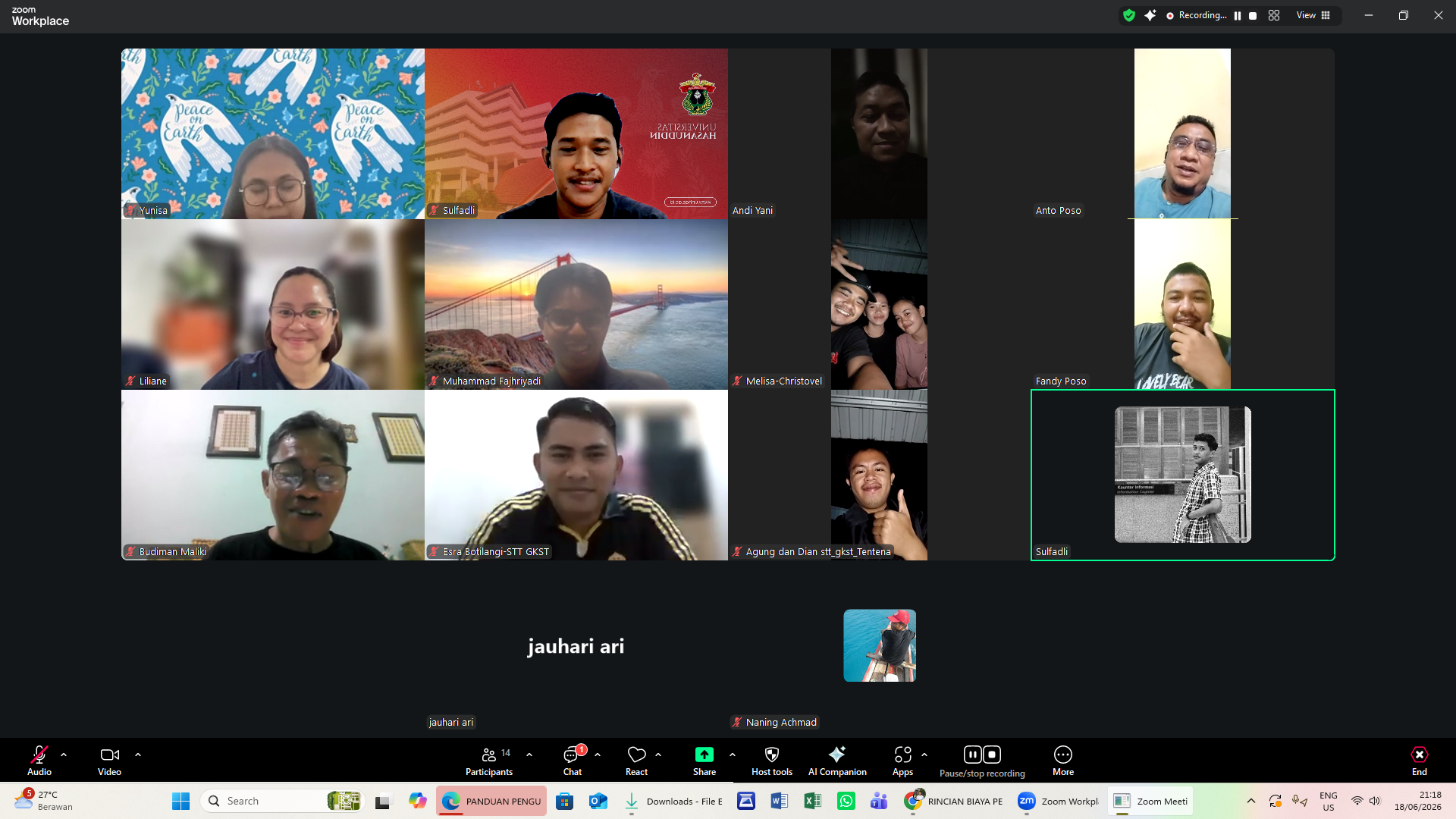
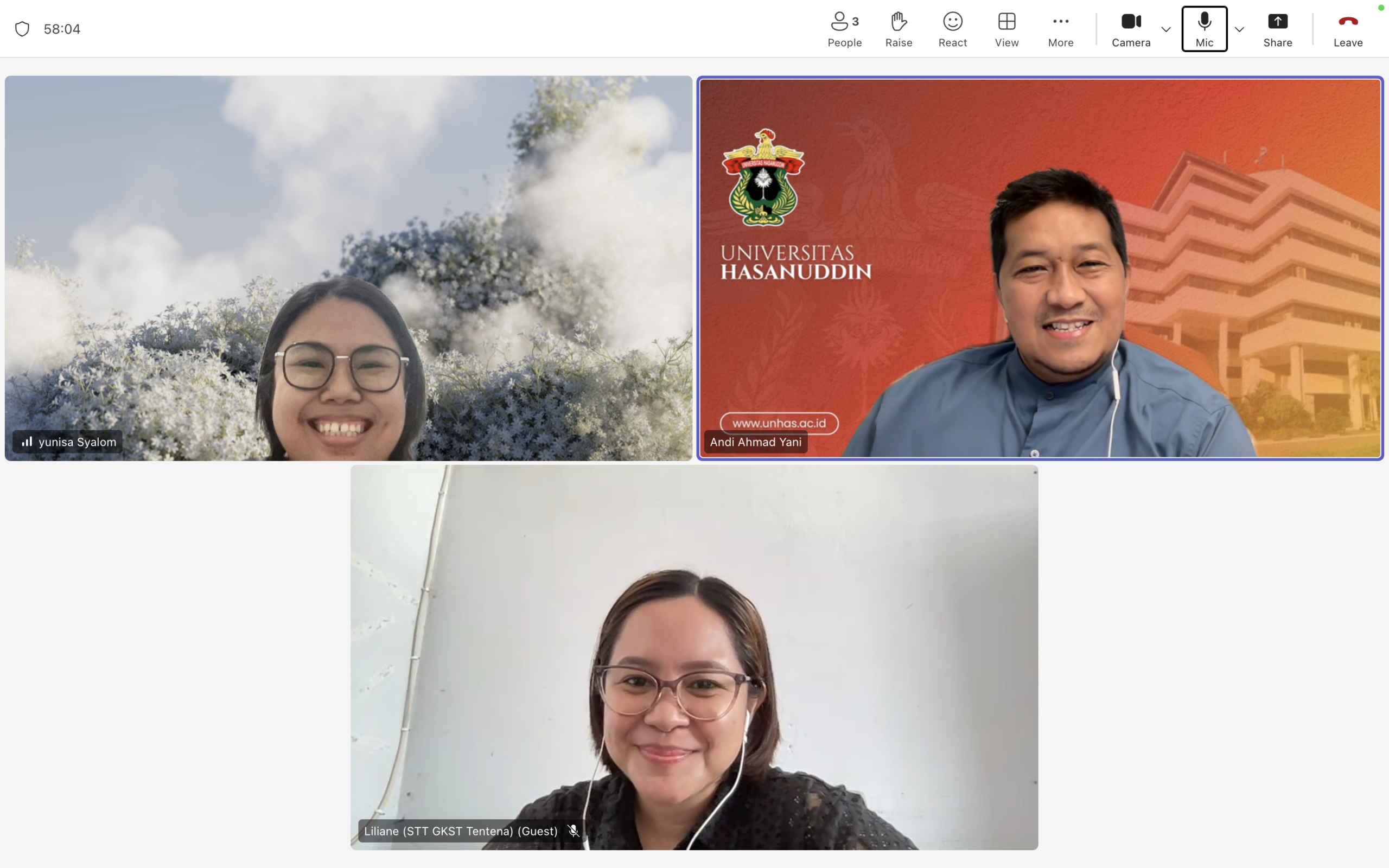
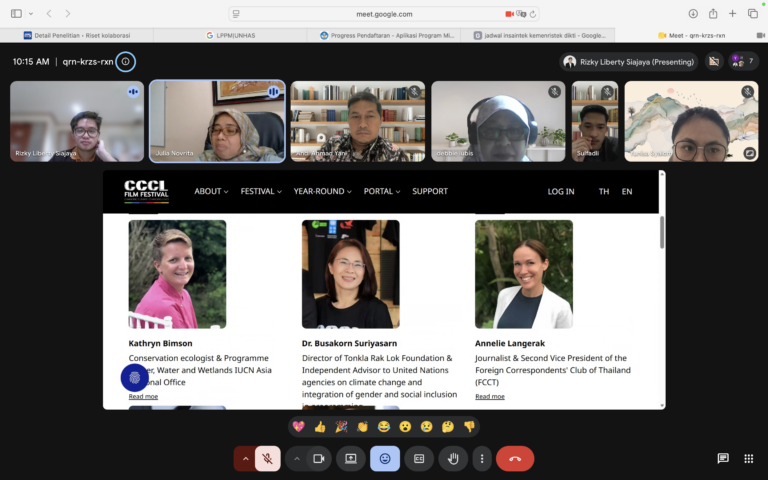
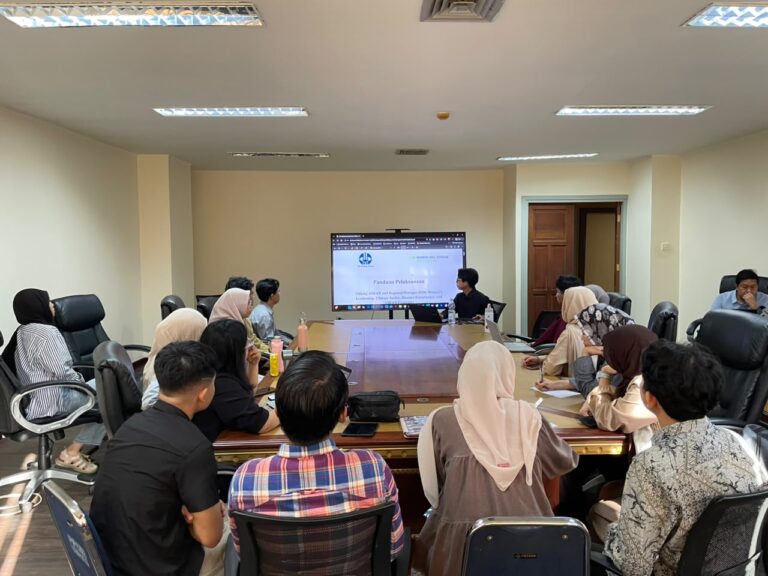
Successfully executing a project of this scale requires deep-rooted local trust and synergistic partnerships. Therefore, PCD-RG closely collaborated with esteemed local institutions in Poso: Sekolah Tinggi Teologia (STT) GKST Tentena and Lembaga Penguatan Masyarakat Sipil (LPMS) Poso. The role of PCD-RG extended far beyond merely deploying data collectors. Before the field deployment, CPCD/PCD-RG experts provided comprehensive guidance and structured capacity-building sessions. They rigorously introduced foundational peace concepts and theoretical frameworks of community-based peacebuilding to the recruited enumerators, comprising enthusiastic local university students and dedicated NGO members from LPMS Poso, effectively transforming them into informed peace advocates.
This strategic field operation embodies the core principles of the United Nations Sustainable Development Goals (SDGs). By conducting targeted knowledge transfer and equipping local students and enumerators with advanced sociological research methodologies and peacebuilding theories, this initiative explicitly champions SDG 4: Quality Education. Furthermore, the profound multi-stakeholder alliance forged between national academic researchers (PCD-RG), localized higher education institutions (STT GKST Tentena), and grassroots civil society organizations (LPMS Poso) serves as a stellar manifestation of SDG 17: Partnerships for the Goals.
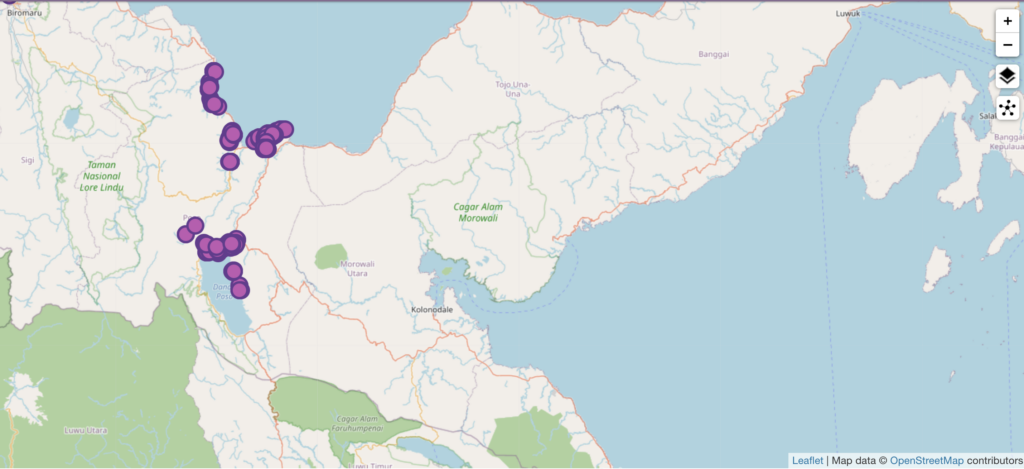
Such collaborative architectures are undeniably vital for accelerating sustainable development and building resilient social structures.Ultimately, the successful completion of this initial 450-respondent survey marks a significant milestone in the broader Riset Kolaborasi Indonesia agenda. The wealth of empirical data collected from these seven sub-districts will be analyzed to generate powerful, evidence-based policy recommendations. By prioritizing community empowerment and inter-institutional synergy, PCD-RG ensures that the journey toward sustainable peace in Indonesia remains scientifically sound and locally grounded.