
PCD-RG Collaborates with Climate Change and Health-RG to Host an Interdisciplinary Conversation
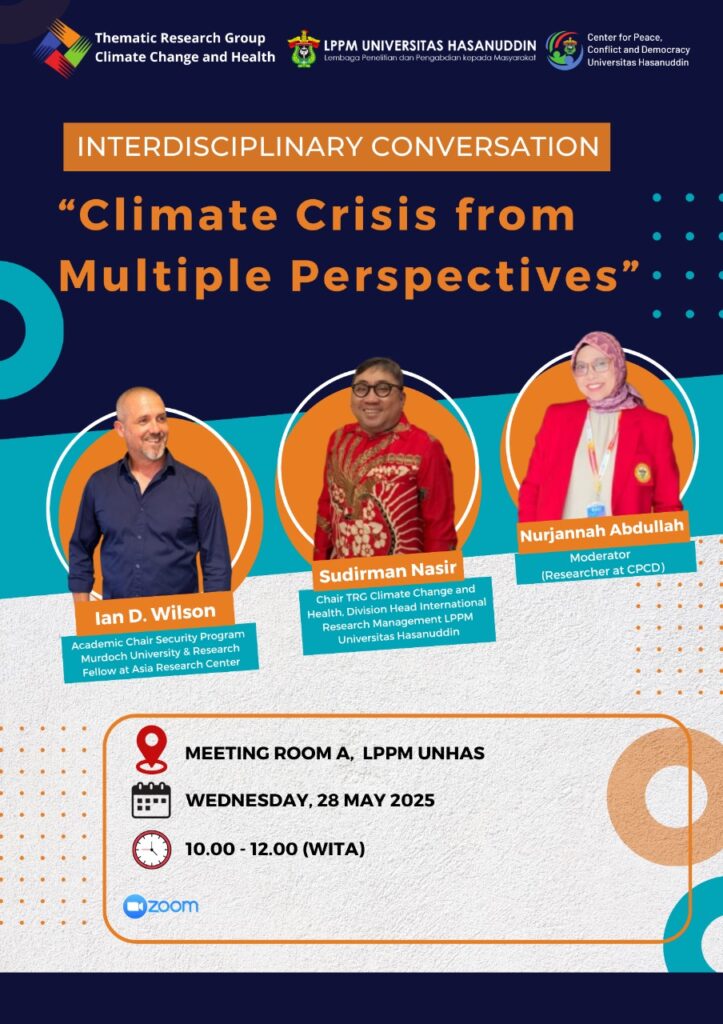
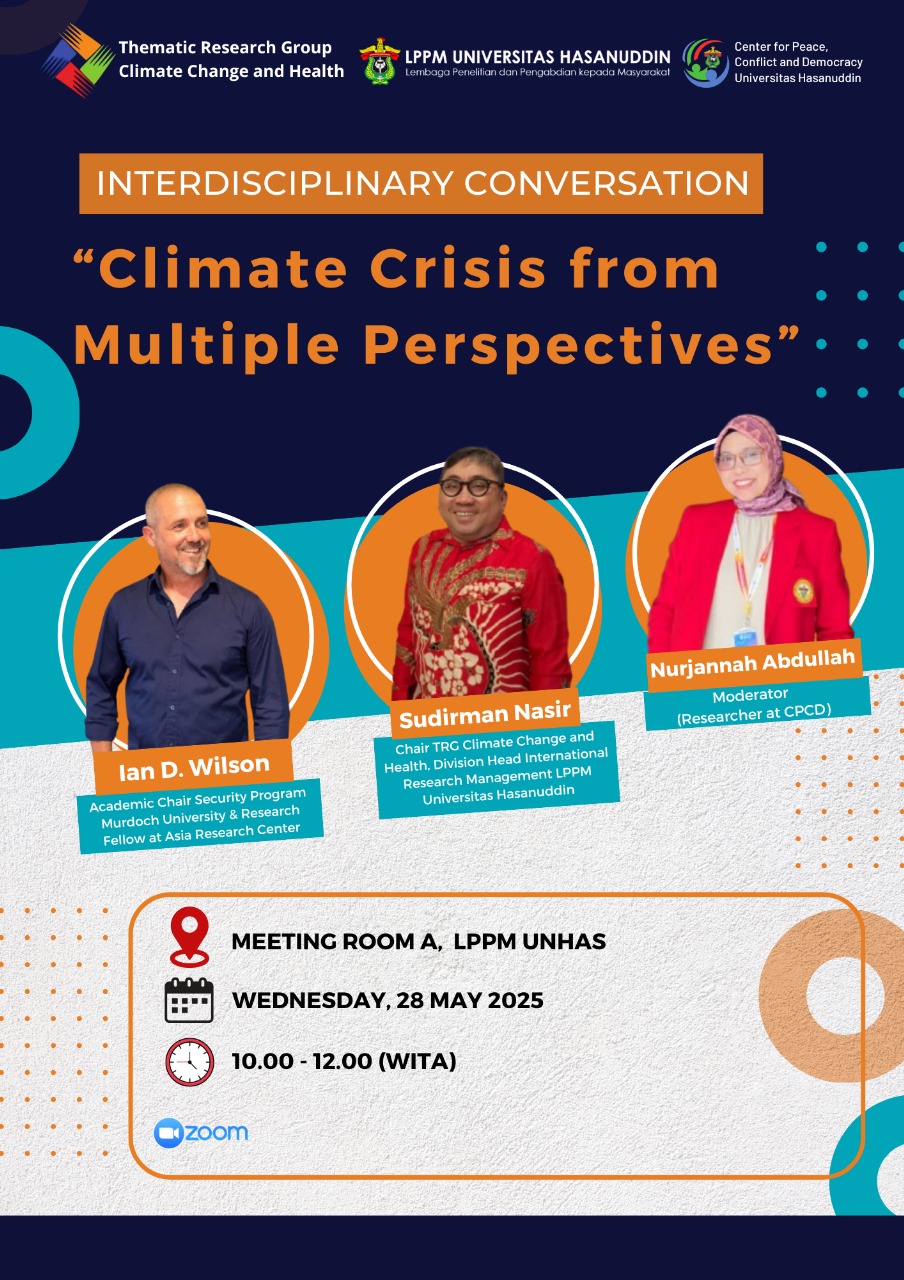
Addressing the escalating global climate emergency requires moving beyond isolated academic silos and fostering dynamic, cross-sectoral dialogues. Recognizing this profound ecological imperative, the Peace, Conflict, and Democracy Research Group (PCD-RG), in a strategic collaborative alliance with the Climate Change and Health Research Group (TRG), successfully convened a highly impactful academic forum. Titled “Climate Crisis from Multiple Perspectives”, this vital intellectual gathering took place on May 28, 2025, at Meeting Room A within the Institute for Research and Community Service (LPPM) at Universitas Hasanuddin. The core scientific objective of this strategic assembly was to facilitate a robust interdisciplinary conversation, unpacking the multifaceted socio-ecological dimensions of environmental degradation and its widespread impacts.
To ensure a comprehensive analytical framework, the symposium featured distinguished experts bridging localized realities with complex global perspectives. Ian D. Wilson, serving as the Academic Chair of the Security Program at Murdoch University and a respected Research Fellow at the Asia Research Center, attended as the primary international partner and keynote speaker. His extensive geopolitical expertise flawlessly complemented the profound epidemiological insights delivered by Sudirman Nasir, the Chair of TRG Climate Change and Health, who also actively serves as the Head of the International Research Management Division at LPPM Universitas Hasanuddin. This dynamic exchange of cutting-edge scientific knowledge was adeptly moderated by Murjannah Abdullah, a dedicated researcher from PCD-RG/CPCD Unhas, ensuring the dialogue remained scientifically rigorous yet profoundly engaging for all attendees.
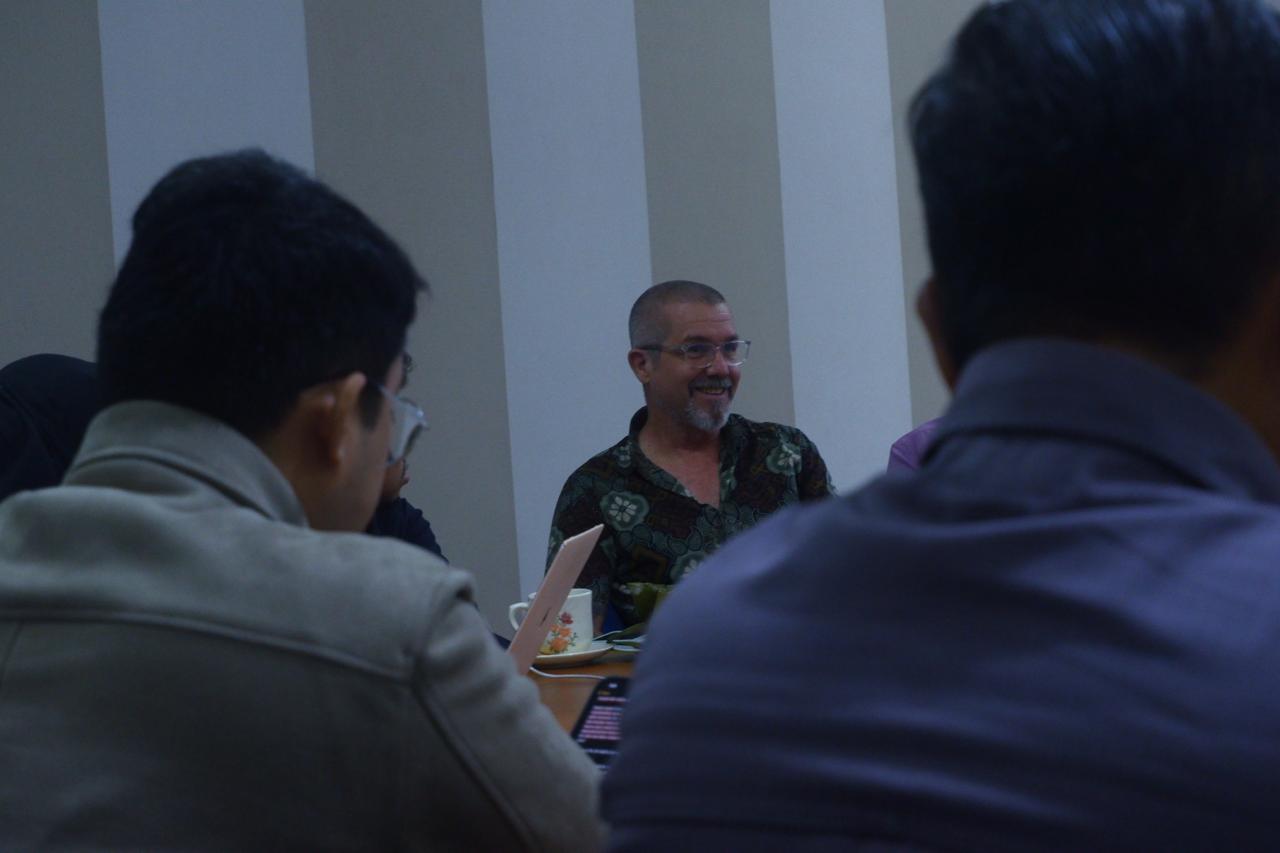
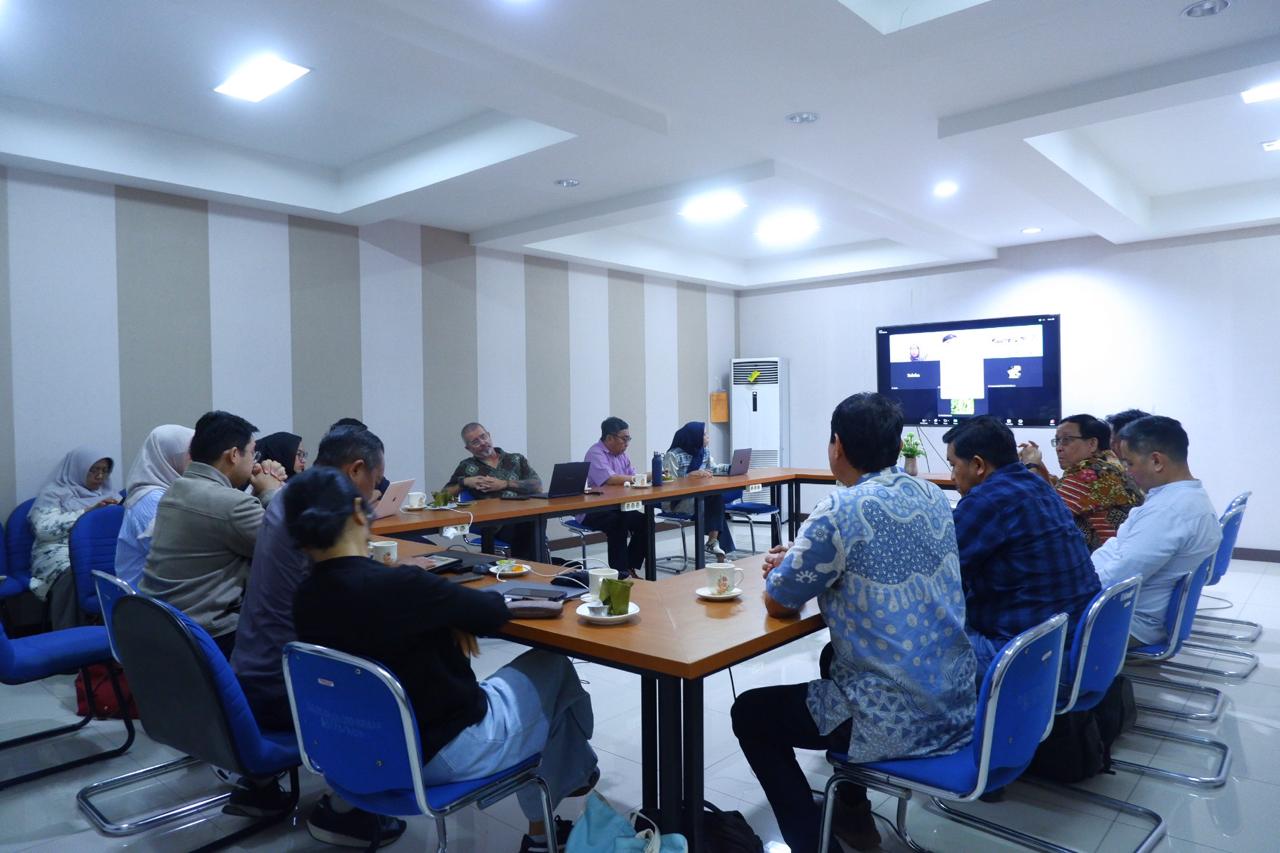
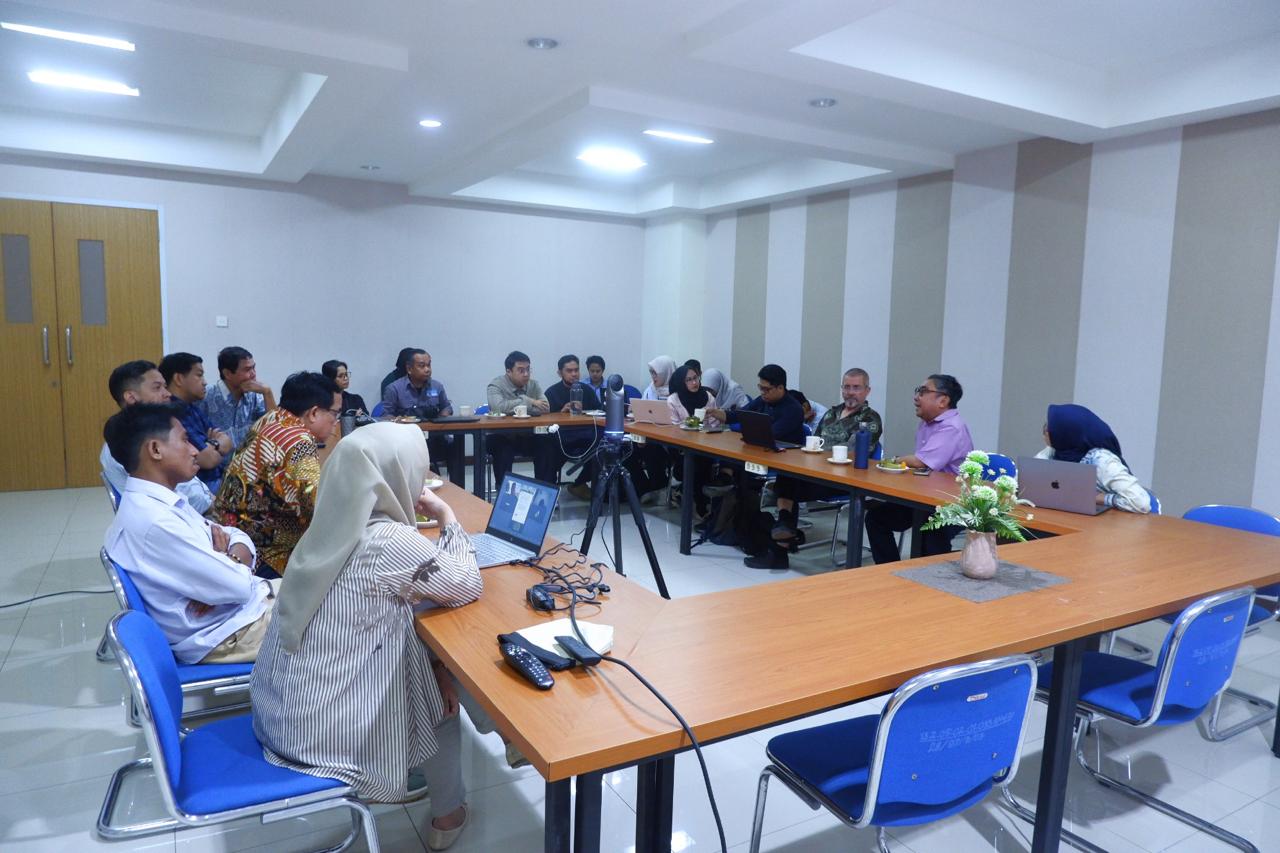
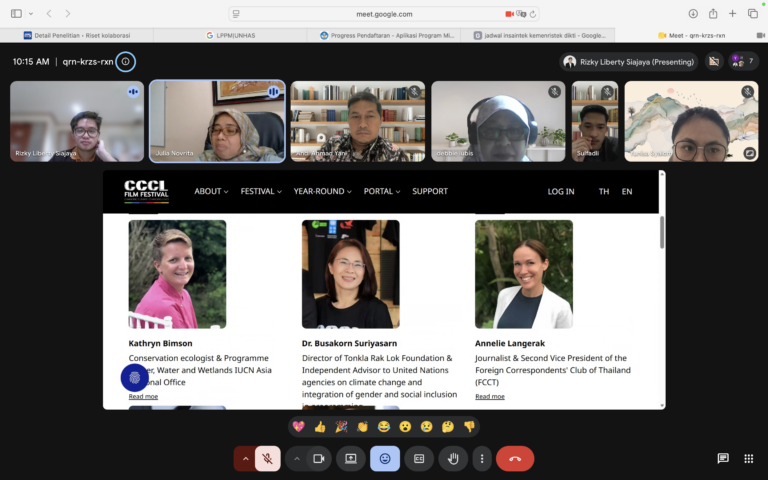
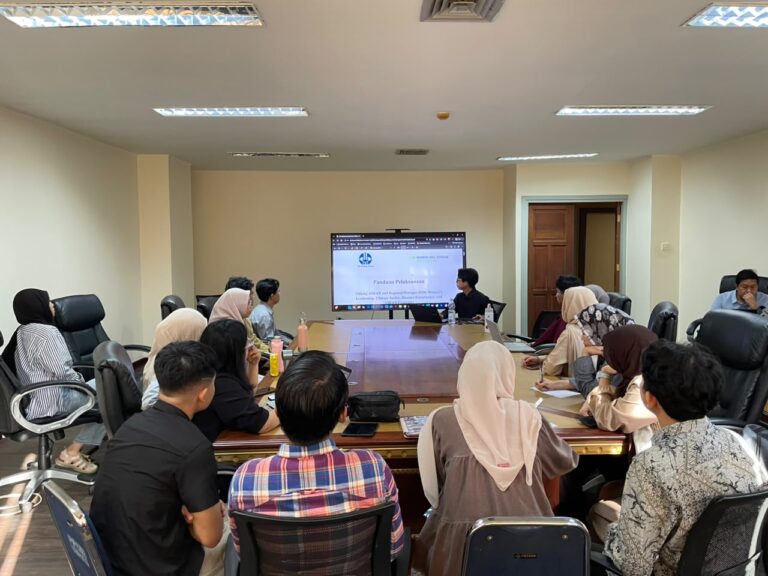
The intellectual resonance of this international collaboration was prominently reflected in its diverse, energetic academic audience. Specifically tailored to empower the next generation of environmental policymakers and sociological researchers, the event successfully attracted active participation from Universitas Hasanuddin students across all academic tiers. This included undergraduate (S1), master’s (S2), and doctoral (S3) scholars who share a dedicated, passionate interest in climate change issues. Utilizing an inclusive hybrid format to maximize academic accessibility, the specialized forum officially recorded 25 participants engaging dynamically in person at the LPPM Unhas venue, while an impressive additional 74 participants joined the interactive discussions virtually via the Zoom meeting platform.
This comprehensive scientific endeavor is intrinsically aligned with the United Nations Sustainable Development Goals (SDGs), acting as a fundamental catalyst for institutional and global progress. By deliberately uniting local university research bodies with prominent international academic institutions to tackle a pressing planetary crisis, this symposium explicitly champions SDG 17: Partnerships for the Goals. Such robust, multi-stakeholder collaborative architectures are strictly essential for formulating effective, evidence-based climate mitigation strategies. Furthermore, providing a high-level educational platform for diverse university students profoundly supports SDG 4: Quality Education, equipping future societal leaders with the critical interdisciplinary analytical skills required to navigate and mitigate the existential threats posed by continuous environmental shifts. Ultimately, this successful initiative firmly establishes Universitas Hasanuddin as a pivotal international hub for sustainable socio-ecological resilience.