
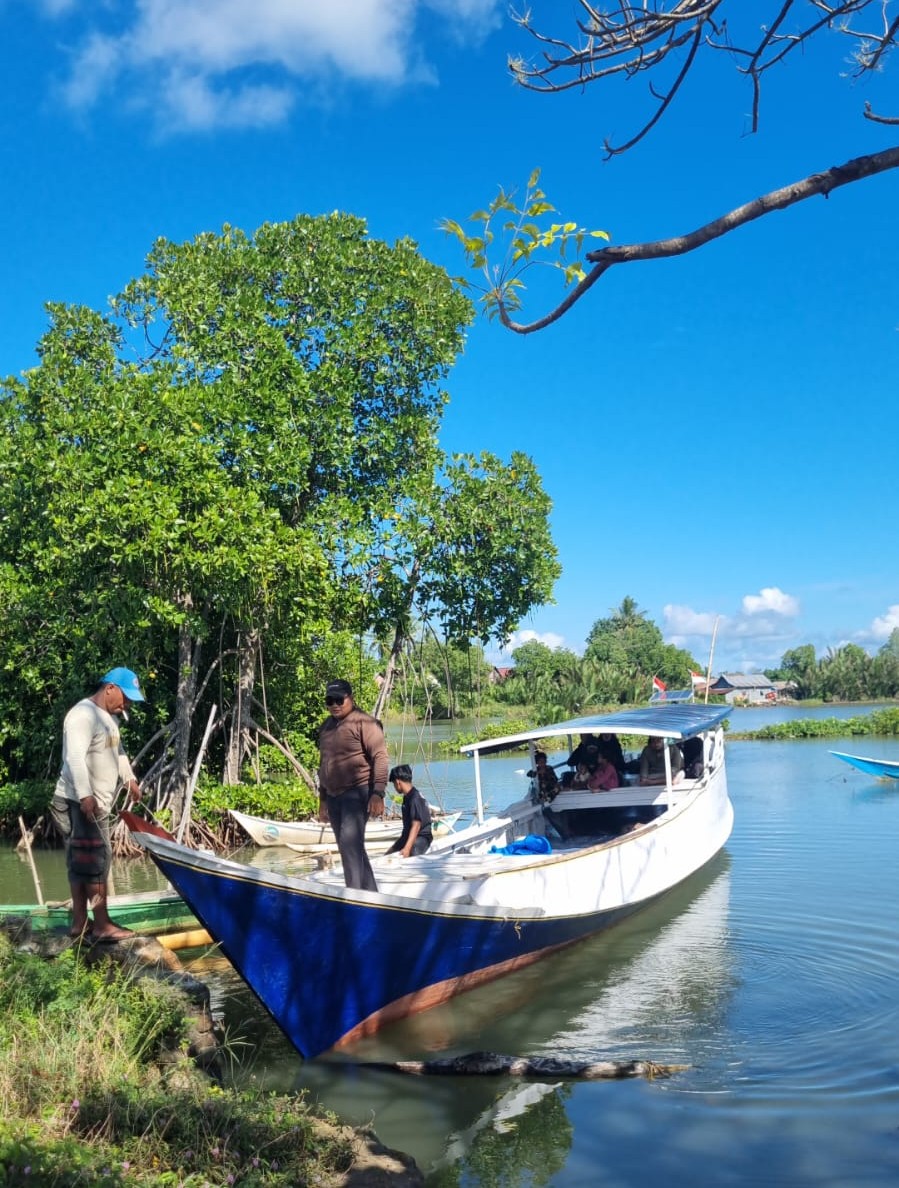

Pangkep, Indonesia — Stunting remains a persistent public health concern in many island and coastal communities of Indonesia, where limited access to safe drinking water exacerbates the cycle of malnutrition and child growth failure. Addressing this challenge, the Coastal Domestic Water Research Group, led by Dr. Agus Bintara Birawida, S.Kel., M.Kes., is pioneering a science-based research project that integrates environmental health approaches to prevent stunting through water quality improvement in Sabutung and Saugi Islands, located in Pangkajene and Islands Regency (Pangkep).
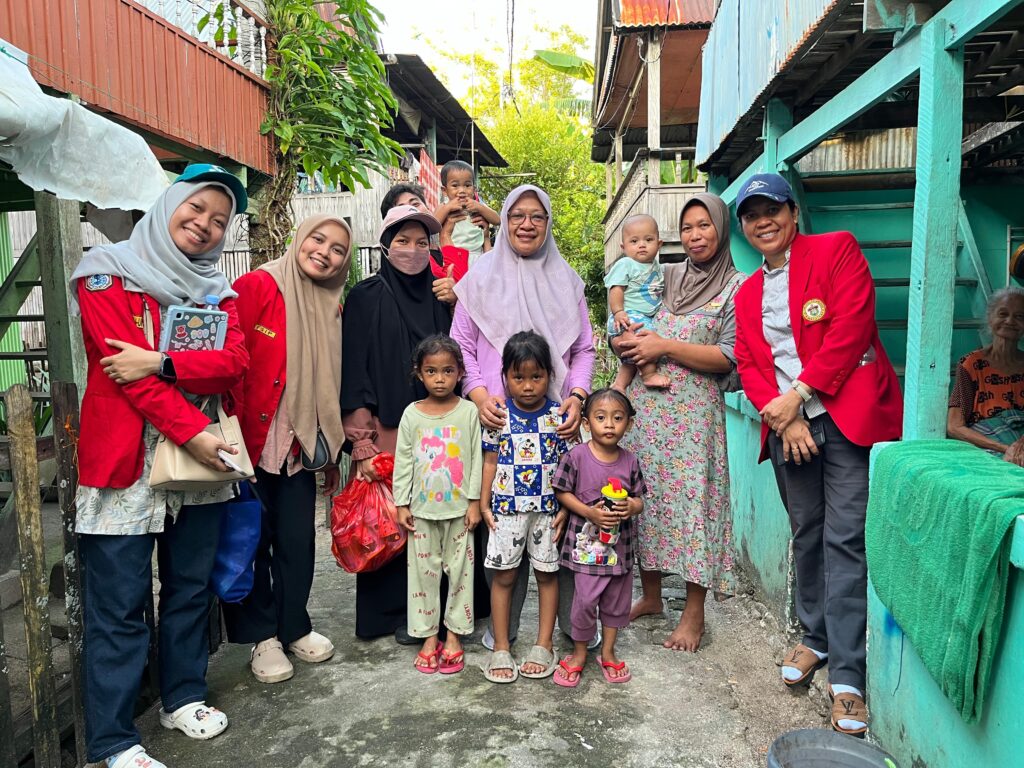
While many stunting reduction programs globally emphasize nutritional interventions, this research highlights the often-overlooked role of environmental determinants, particularly unsafe drinking water, as a major contributor to chronic infections such as diarrhea, which impair nutrient absorption and growth in children.
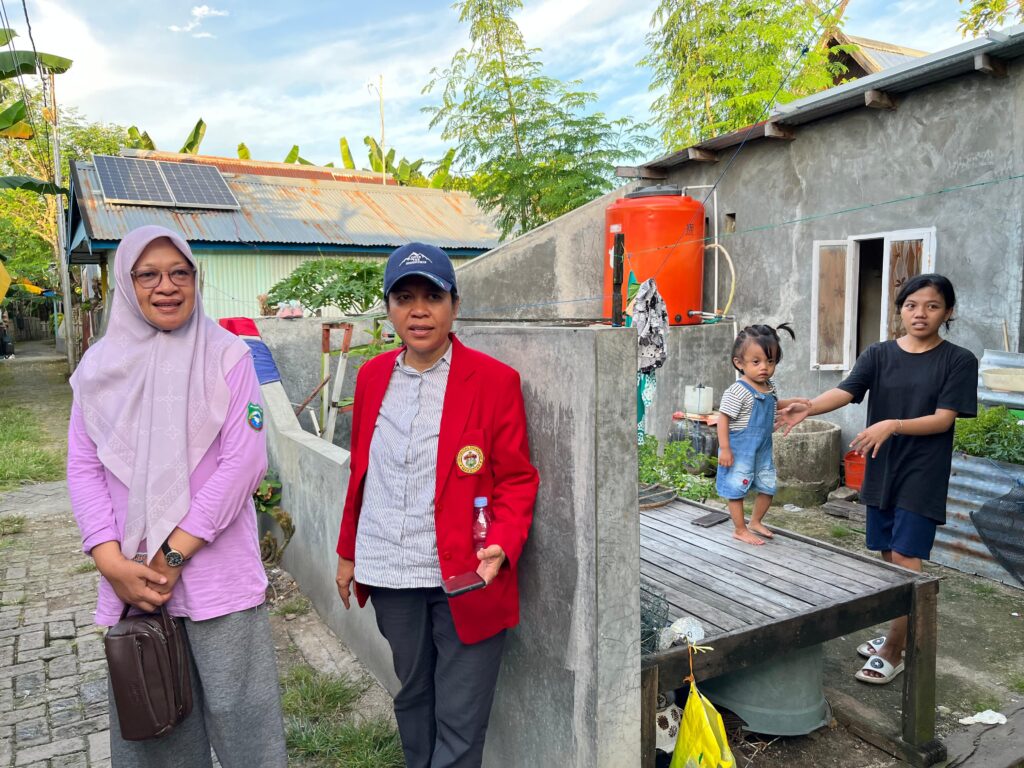
“Our research demonstrates that improving household water quality can serve as a vital complement to nutritional strategies, directly addressing root causes at the community level,” explains Dr. Birawida.
The research team conducts comprehensive water quality assessments that include physical, chemical, and microbiological analyses of local water sources. Key contaminants such as Escherichia coli and Salmonella have been identified as indicators of fecal contamination in household water supplies. In response, the team has developed and deployed practical, community-adapted water treatment solutions, including:
- Multi-stage filtration systems using locally available materials,
- Solar-powered ultraviolet disinfection units,
- Hygiene and sanitation education programs tailored for household implementation.
A multidisciplinary team of environmental health specialists, microbiologists, nutritionists, and engineers collaborate closely with local health workers from Puskesmas (Primary Health Centers) in Pangkep to ensure accurate community health monitoring and child growth assessments throughout the study.
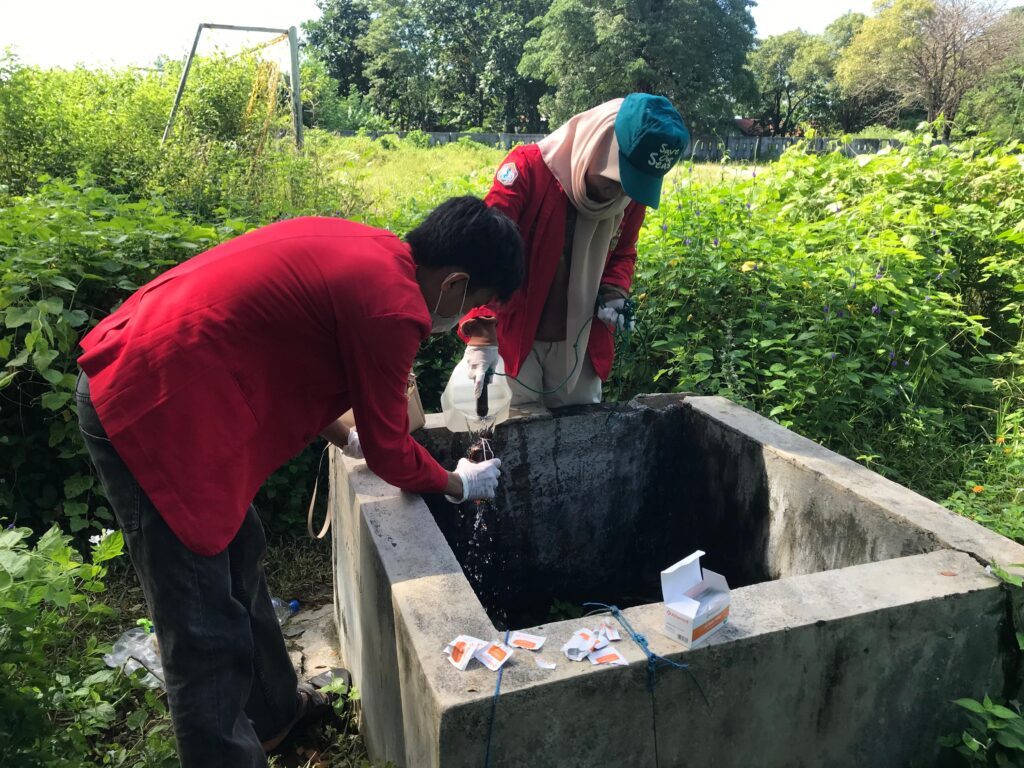
Preliminary results are promising: the intervention has led to significant reductions in diarrheal disease incidence and improvements in household water safety, contributing positively to stunting prevention outcomes.
“This project underscores the vital role of environmental health science in global child health initiatives,” Dr. Birawida emphasizes. “By combining scientific innovation with community engagement, we are delivering tangible health benefits for vulnerable island populations.”
The Coastal Domestic Water Research Group’s work reflects Universitas Hasanuddin’s broader commitment to advancing applied public health research and supporting Indonesia’s national efforts to achieve the Sustainable Development Goals, particularly in underserved and geographically isolated regions.
Contact Information:
Coastal Domestic Water Research Group
Faculty of Public Health, Universitas Hasanuddin
Email: cdwrgroup@unhas.ac.id


