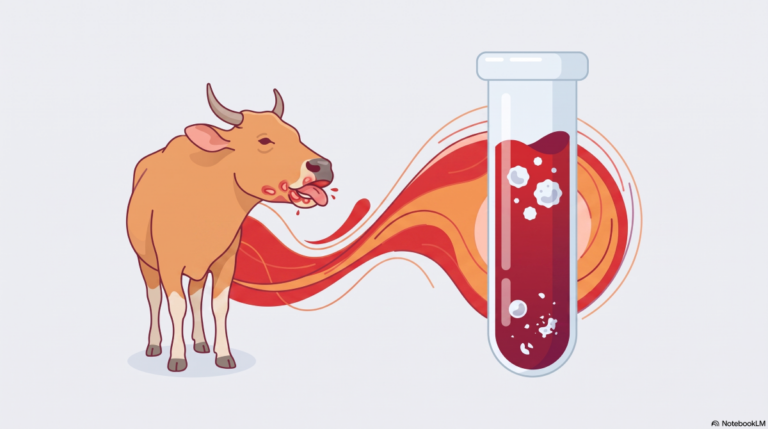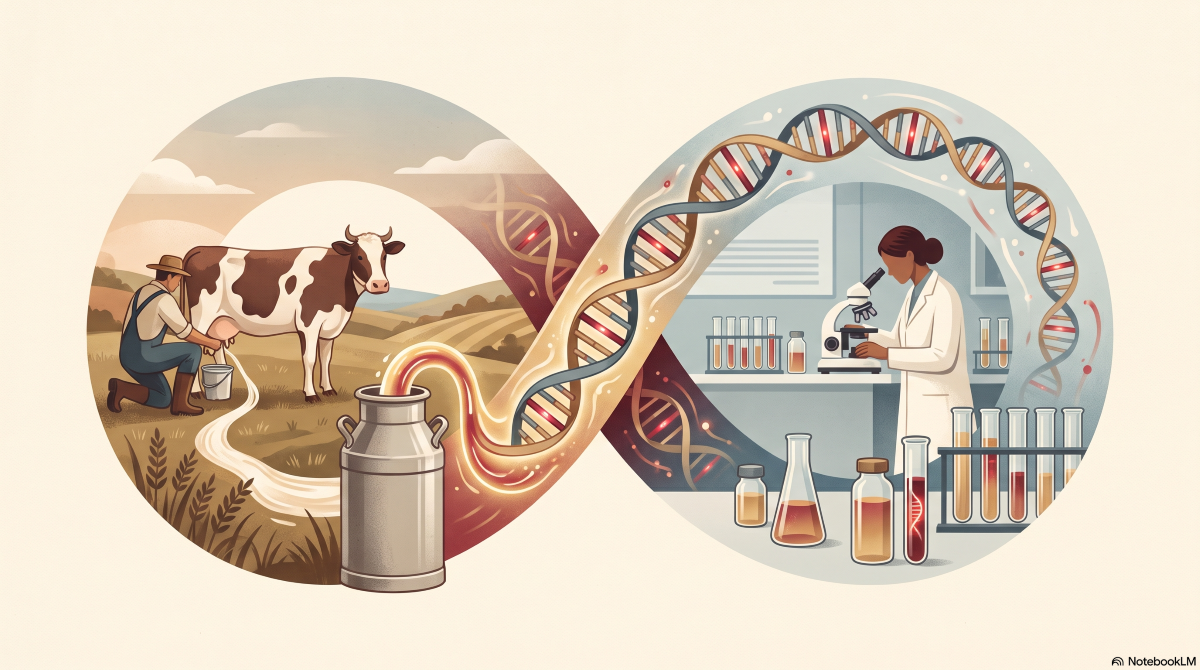

Makassar, Indonesia Aug 1 2026/ADDIS/ – Tuberculosis (TB) remains a severe global health crisis, yet the subtle transmission risks existing between livestock and humans often stay out of the public spotlight. Airborne spread between people is widely recognized, but farming environments foster a complex shared ecosystem where dangerous bacterial pathogens can cross species boundaries. In rural dairy communities, daily physical interactions create continuous potential exposure routes through raw milk consumption, unpasteurized dairy products, and close contact during routine livestock care.
Addressing this hidden threat, a veterinary investigation titled “Exploration of Tuberculosis Transmission between Humans and Cows through Milk Testing in South Sulawesi, Indonesia” was published on 11 July 2025 in the International Journal of Veterinary Science by Unique Scientific Publisher. The authors, who are distinguished members of the Infectious Animal Disease Dynamics Thematic Research Group (ADDIS TRG), conducted their study in Cendana Sub-district, Enrekang Regency—the leading dairy farming hub of South Sulawesi Province.
To evaluate human-animal pathogen exposure, the research team combined molecular laboratory diagnostics with community health interviews across seven local villages in Cendana Sub-district. Testing 60 raw milk samples collected from 20 dairy farms using Polymerase Chain Reaction (PCR) targeting the IS6110 insertion sequence, the laboratory analysis revealed that 47% of individual milk samples contained Mycobacterium tuberculosis complex (MTBC) DNA. Furthermore, 65% of the sampled dairy farms had at least one cow producing positive milk, indicating widespread contamination across the local dairy sector. In parallel, health surveys of 50 local residents identified three cattle owners who experienced prolonged coughing lasting over two weeks without receiving an official human TB diagnosis. Notably, two of these three individuals owned dairy cows whose milk tested positive for MTBC DNA, pointing to potential undetected human cases and silent transmission risks within these households.
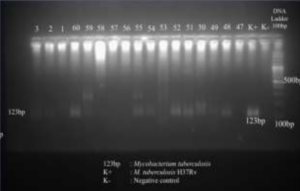
These critical findings highlight potential underreporting of human cases and signal the possibility of cross-species spillover or milk contamination during manual milking and handling. While milk in Enrekang is frequently processed into Dangke—a local traditional cheese product typically heated during preparation—inadequate heating or handling raw unpasteurized milk still presents notable occupational hazards for dairy workers and consumers alike. Direct exposure to contaminated milk during daily handling or milking routines creates unnecessary health risks for agricultural families. Additionally, infected farm workers who cough near livestock can transmit the pathogen back to cattle through reverse zoonosis, creating a dangerous cycle of reinfection that threatens both public health and farm economic productivity.
This research directly aligns with SDG 3: Good Health and Well-Being and SDG 17: Partnerships for the Goals by establishing an integrated “One Health” framework that bridges human medicine and veterinary science. By monitoring dairy cattle, public health authorities can identify hidden community infection hotspots, improve early case detection, promote safer pasteurization habits, and strengthen rural biosecurity before widespread outbreaks occur. Ultimately, routine milk surveillance serves as a practical, early-warning diagnostic tool that protects agricultural livelihoods, secures local food supply chains, and safeguards overall public health across dairy-producing regions.
DOI:
https://doi.org/10.47278/journal.ijvs/2025.070
Contact person:
Prof. Dwi Kesuma Sari
+62 852-9927-9988
dwiksari@vet.unhas.ac.id