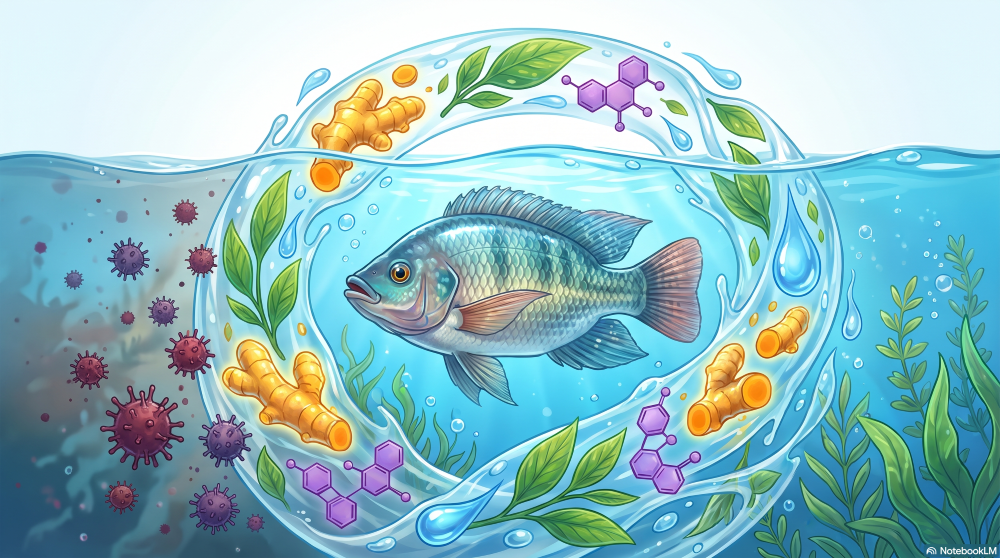

Makassar, Indonesia, Aug 1 2026/ADDIS/ – Freshwater aquaculture plays a pivotal role in global food security, yet fish farmers frequently face devastating crop losses caused by sudden disease outbreaks. Addressing this challenge, researchers from the Infectious Animal Disease Dynamics Thematic Research Group (ADDIS TRG) presented groundbreaking findings titled “The Abundance of Pathogenic Bacteria in Response to The Administration of Fermented Herbal Extract Vitomolt Plus into The Tilapia Cultivation Water”. Their research was published in the IOP Conference Series: Earth and Environmental Science under Purpose-Led Publishing, following its presentation at the 5th International Marine and Fisheries Symposium held in Makassar on June 4–5, 2022. The study explored how introducing a specialized botanical formulation called Vitomolt Plus directly into culture ponds could naturally suppress harmful microbes without resorting to excessive chemicals.
To evaluate the practical effectiveness of this innovation, juvenile tilapia were stocked in controlled aquatic containers at the Fish Hatchery Laboratory. The research team systematically tested six distinct treatment concentrations of Vitomolt Plus, ranging from a control group with 0 ppm up to 10 ppm, across a multi-week trial. Water samples were carefully analyzed over time using advanced microbiological techniques, including state-of-the-art VITEK 2 Compact automated bacterial identification. Through these precise diagnostic tools, the investigators successfully isolated seven predominant bacterial species thriving in the culture environment. Among these were notable aquatic pathogens such as Yersinia pseudotuberculosis, Aeromonas sobria, Aeromonas hydrophila, Staphylococcus sciuri, Staphylococcus haemolyticus, Sphingomonas paucimobilis, and Micrococcus luteus, many of which are known to cause severe skin ulcers, internal hemorrhaging, and high mortality rates in farm-raised fish.
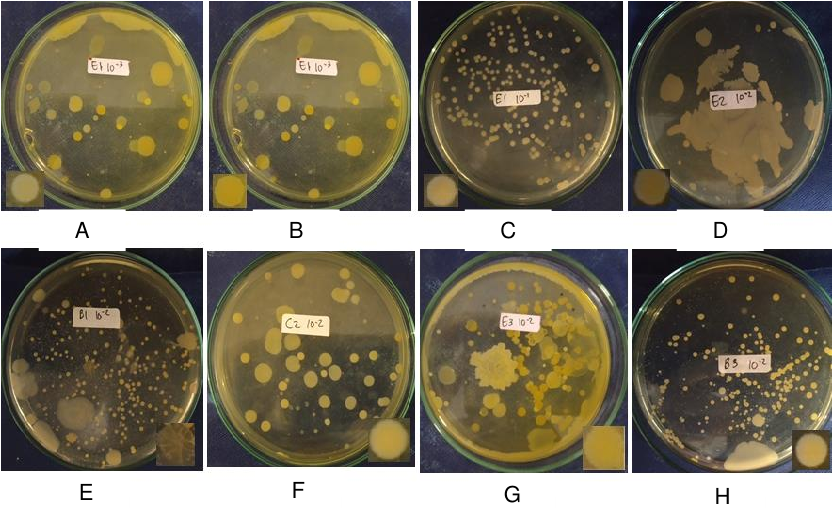
The empirical results revealed a clear, statistically significant pattern in bacterial suppression across the different treatment groups. Ponds treated with a 6 ppm concentration of Vitomolt Plus consistently maintained the lowest average total bacterial abundance throughout the observation period, whereas untreated control waters harbored the highest microbial loads. Active botanical ingredients within the fermented formula—such as flavonoids, saponins, essential oils, and curcuminoids—worked synergistically to disrupt bacterial cell membranes and inhibit pathogen proliferation. Specific target strains including Staphylococcus sciuri, Staphylococcus haemolyticus, and Aeromonas hydrophila demonstrated notable declines following application, proving the botanical extract’s potential as a powerful natural antibacterial agent in intensive farming.
By replacing synthetic chemical treatments with eco-friendly phytobiotic solutions, this sustainable aquaculture approach directly aligns with SDG 14: Life Below Water, which advocates for preventing aquatic pollution and sustainably managing marine and freshwater ecosystems. Furthermore, reducing microbial pathogens in farm settings supports SDG 15: Life on Land by protecting inland freshwater biodiversity and preserving land-based water resources from agricultural contamination. Ultimately, by championing natural microbial control mechanisms, the study provides small-scale fish farmers with an accessible, cost-effective tool to minimize economic losses, maintain optimal water quality, and promote sustainable food production systems across the globe.
DOI:
https://doi.org/10.1088/1755-1315/1119/1/012078
Contact person:
Prof. Dwi Kesuma Sari
+62 852-9927-9988
dwiksari@vet.unhas.ac.id