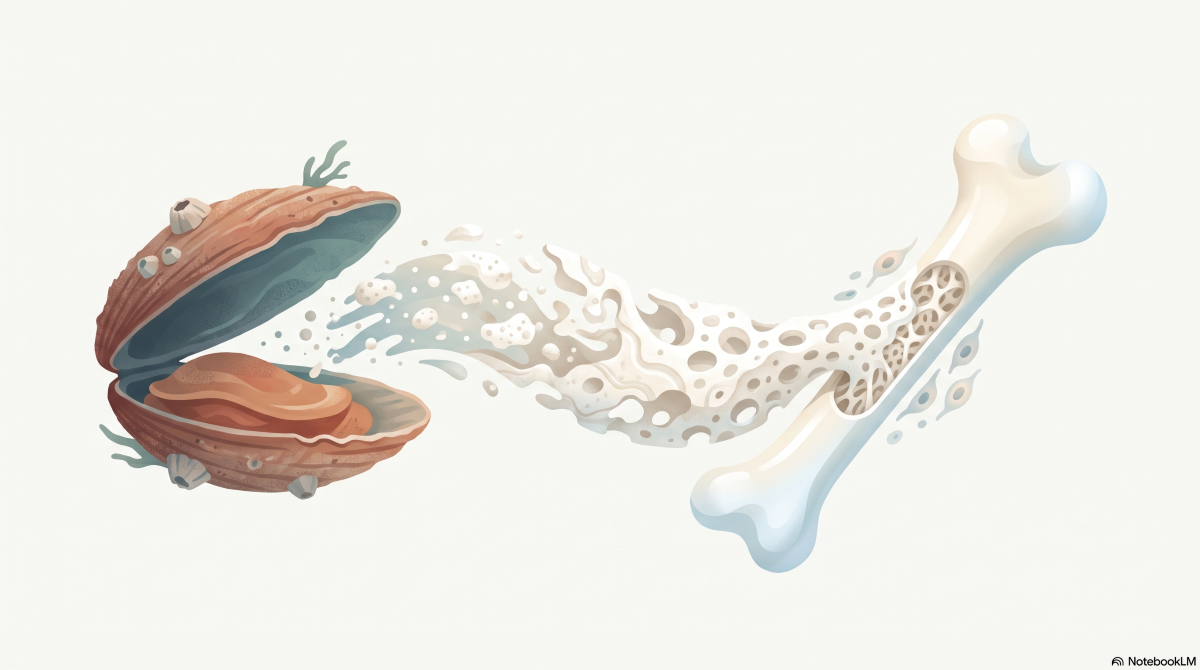

Makassar, Indonesia, Aug 1 2026/ADDIS/ – Imagine turning leftover clam shells from your dinner plate into advanced medical implants that help mend broken bones. It sounds like science fiction, but researchers have turned this concept into a practical reality. Severe bone fractures often require surgical intervention using bone grafts, which act as temporary biological scaffolds implanted into damaged areas to encourage natural bone regeneration. While traditional synthetic options or animal-derived grafts exist, they frequently present drawbacks such as high production costs, limited availability, and potential immunological complications. To solve this healthcare challenge, the research team looked toward an abundant marine resource that is often overlooked and discarded along coastal communities.
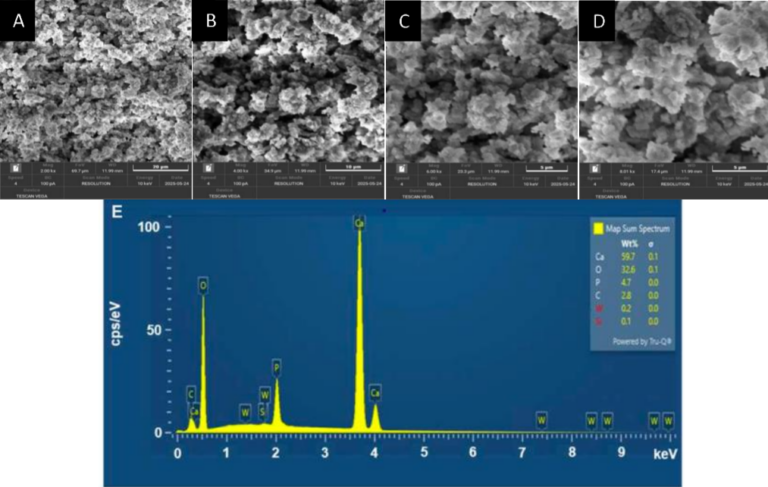
The scientific foundation of this breakthrough is detailed in the article titled “Hydroxyapatite Derived from Blood Clam Shells (Anadara granosa) as a Promising Biomaterial Bone Graft for Accelerating Osteogenesis Post-Surgery,” published on December 26, 2025, in the International Journal of Agriculture and Biosciences by Unique Scientific Publisher. The authors are distinguished researchers who are members of the Infectious Animal Disease Dynamics Thematic Research Group (ADDIS TRG). Their research focused on Anadara granosa, commonly known as the blood clam, a shellfish widely consumed across Southeast Asia. In coastal areas, thousands of tons of clam shells are discarded annually as seafood waste, creating environmental disposal burdens. Recognizing that these shells naturally consist of rich calcium carbonate, the team developed a chemical and thermal synthesis process to convert this coastal waste into high-purity hydroxyapatite. Hydroxyapatite serves as the essential inorganic mineral that provides strength and structure to natural bones. By transforming raw clam shells into A. granosa hydroxyapatite, the team synthesized a pure biomaterial capable of mimicking natural bone structure.
To evaluate the therapeutic efficacy of this novel biomaterial, the researchers conducted preclinical trials comparing their developed graft against commercial bone grafts and untreated control groups over a four-week post-surgery evaluation period. Through detailed radiographic and histopathological analyses, the team discovered that the clam-derived graft produced remarkable bone healing results. X-ray imaging revealed rapid callus formation and complete closure of bone defects by the fourth week. Furthermore, microscopic tissue examination demonstrated a significant surge in osteoblasts, which are essential bone-forming cells, along with balanced osteoclast activity necessary for proper structural remodeling. The material integrated seamlessly with surrounding tissues without inducing toxic reactions or foreign-body inflammation, performing with an efficiency equal to premium commercial options.
This biomedical breakthrough directly supports United Nations Sustainable Development Goal 3 (SDG 3: Good Health and Well-Being) by offering an affordable, safe, and effective medical alternative that accelerates post-surgical bone recovery. Additionally, it contributes to SDG 12 (Responsible Consumption and Production) and SDG 14 (Life Below Water) by repurposing marine waste into valuable biomedical tools. By bridging coastal waste management with orthopedic medicine, the research team demonstrated how nature-inspired solutions can transform environmental liabilities into life-saving medical innovations, highlighting the immense potential of sustainable biomaterials in shaping the future of regenerative medicine.
DOI:
https://doi.org/10.47278/journal.ijab/2025.228
Contact person:
Prof. Dwi Kesuma Sari
+62 852-9927-9988
dwiksari@vet.unhas.ac.id