

Makassar, Indonesia, Aug 1 2026/ADDIS/ – In many agricultural regions, working animals are vital to local livelihoods, culture, and daily transport. In Jeneponto Regency, South Sulawesi Province, horses hold a central role in community life and rural mobility. However, livestock in tropical environments face constant exposure to blood-borne parasitic diseases spread by biting flies. Among these hazards, Surra—a debilitating condition caused by the protozoan Trypanosoma evansi—presents a persistent threat to equine welfare, frequently inducing chronic weakness, weight loss, and severe financial disruption for farming families dependent on livestock.
Accurate disease detection is essential for effective livestock management and outbreak prevention. Historically, veterinarians relied on blood smear microscopy or serological antibody testing to identify infected animals. A comprehensive multi-institutional study titled “Prevalence of Trypanosoma evansi in Jeneponto Regency Shows Variation in Detection among Methods,” published on April 15, 2026, in the International Journal of Agriculture and Biosciences by Unique Scientific Publisher, evaluated the true prevalence of this parasite. The research was conducted by members of the Infectious Animal Disease Dynamics Thematic Research Group (ADDIS TRG), who systematically compared traditional diagnostic tools with specialized molecular Polymerase Chain Reaction (PCR) assays targeting different genetic markers across 100 horses.
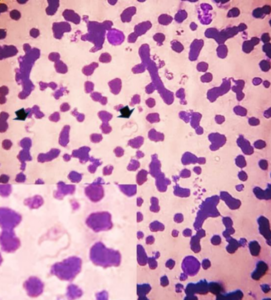
The findings demonstrated that diagnostic accuracy varies considerably depending on the specific testing protocol applied. Conventional antibody screening through the Card Agglutination Test for Trypanosomiasis (CATT) as well as PCR assays targeting single- or low-copy genes (ESAG and ITS1) each detected a parasite prevalence rate of 31%. However, when testing was expanded to target high-copy repetitive satellite DNA via the TBR1-2 genetic marker, the detected prevalence rate jumped significantly to 51%. This sensitive molecular target successfully uncovered low-level, subclinical infections that completely escaped detection under standard screening techniques.
Understanding this diagnostic gap is critical for regional health management. Animals carrying low parasite densities often display minimal physical symptoms yet continue to act as hidden reservoirs for transmission within herds. Relying exclusively on lower-sensitivity screening risks underestimating disease distribution, complicating control initiatives, and leaving carrier animals unmanaged. Utilizing high-sensitivity DNA markers ensures latent infections are identified early before broader health problems or severe economic damages unfold.
This surveillance initiative directly supports SDG 1: No Poverty and SDG 3: Good Health and Well-being. By protecting working horses from chronic parasitic illness, researchers help safeguard the financial stability, food security, and agricultural productivity of rural families dependent on working animals. Furthermore, early detection mitigates potential zoonotic spillover risks in areas where close human-animal interactions occur daily, ultimately reinforcing community public health.
Adopting high-sensitivity molecular tools like the TBR1-2 marker provides a reliable baseline for long-term epidemiological surveillance. Enhanced disease detection in working livestock populations offers a practical foundation for targeted veterinary care, protecting animal welfare and maintaining economic resilience across rural farming sectors.
DOI:
https://doi.org/10.47278/journal.ijab/2026.101
Contact person:
Prof. Dwi Kesuma Sari
+62 852-9927-9988
dwiksari@vet.unhas.ac.id