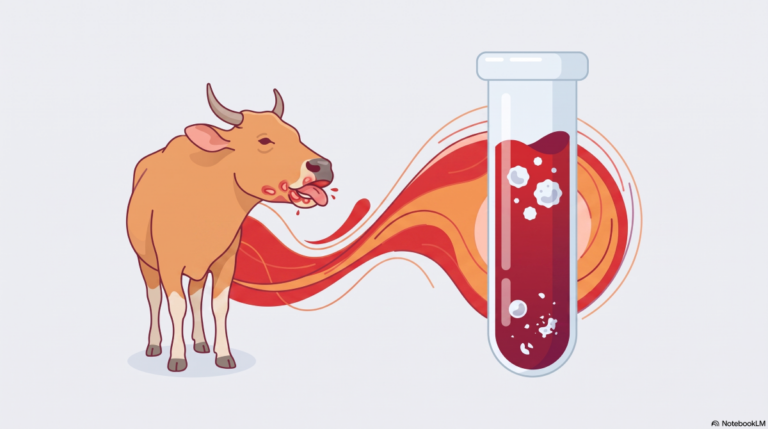

Makassar, Indonesia, Aug 1 2026/ADDIS/ – When we picture medical research, we often imagine high-tech laboratories filled with microscopes and complex machinery. However, behind many groundbreaking therapies and critical disease studies is a key biological model: the laboratory rodent. Wistar rats (Rattus norvegicus) are widely used in biomedical research because their genetics and body functions closely resemble those of humans. Yet, an important question remains for the scientific community: do the living conditions of these animals influence the reliability of the scientific data we collect from them?
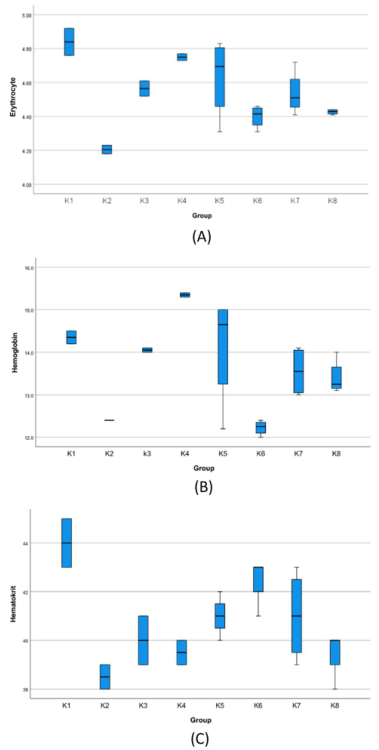
A study titled “Impact of Improved Animal Welfare on Hematological Parameters (Erythrocyte, Hemoglobin and Hematocrit) in Wistar Rats,” published in the International Journal of Veterinary Science by Unique Scientific Publisher on January 27, 2026, offers compelling answers. Authored by researchers from the Infectious Animal Disease Dynamics Thematic Research Group (ADDIS TRG), the study demonstrates that proper animal care directly drives scientific accuracy alongside ethical standards. The research team evaluated how daily living conditions, such as cage cleanliness, light schedules, and feeding routines, directly shape vital blood markers including red blood cells (erythrocytes), oxygen-carrying proteins (hemoglobin), and red blood cell concentration (hematocrit) in Wistar rats over a 21-day period.
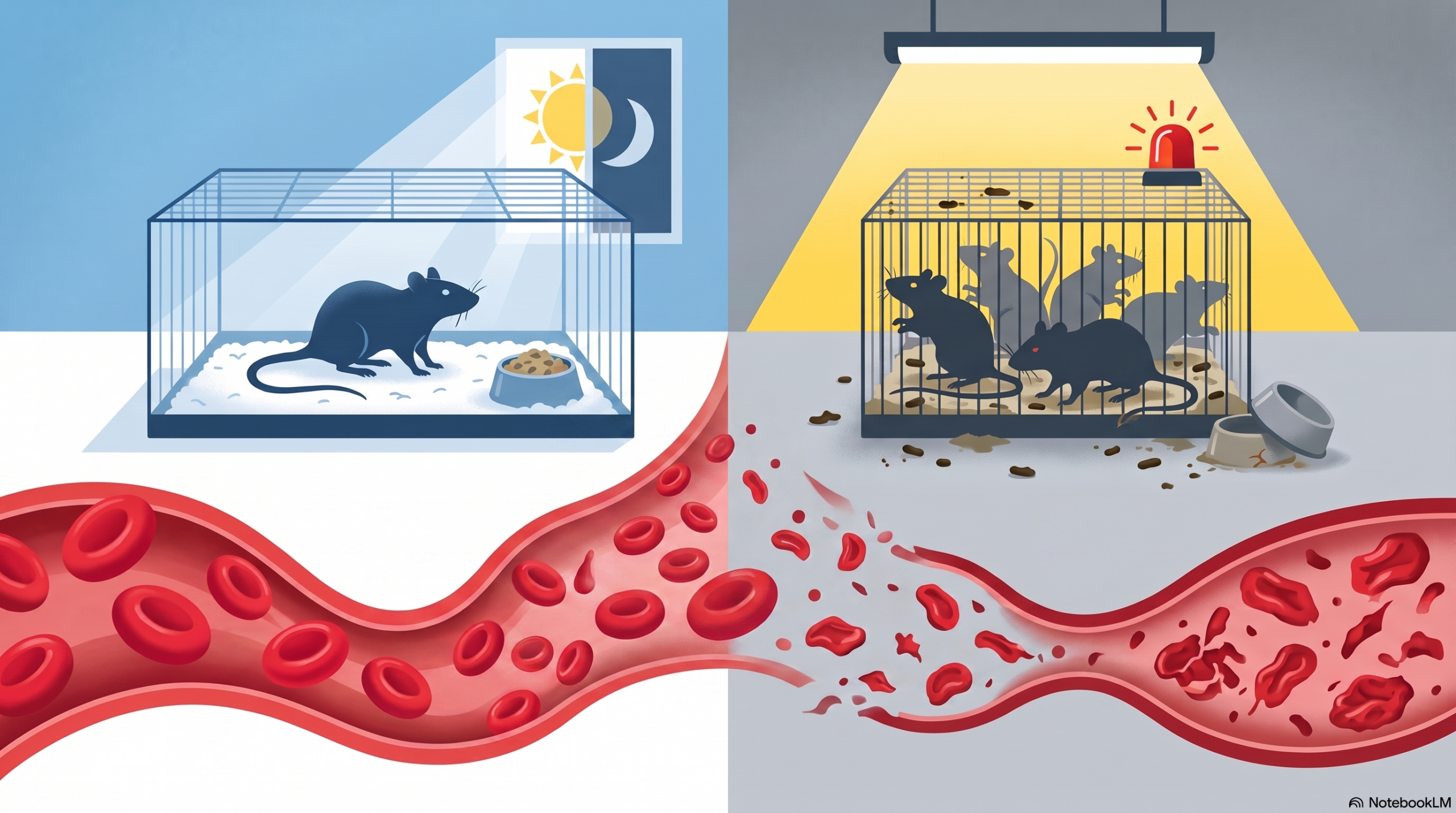
The study revealed significant biological differences across various housing conditions. Rats kept in clean, low-density cages with sterile bedding and a regular feeding schedule maintained stable, healthy blood profiles. In contrast, rats exposed to crowded environments, continuous artificial light, or irregular feeding routines showed clear negative shifts in their blood health. For instance, constant 24-hour lighting severely disrupted the animals’ natural circadian rhythms, triggering stress hormone surges that suppressed red blood cell production. Similarly, irregular feeding schedules led to decreased hemoglobin levels and reduced cellular volume, pointing to underlying nutritional stress, impaired oxygen transport, and subtle metabolic imbalances.
Why does this matter so much for global health research? In medical experiments, stress-induced changes in blood parameters can alter how a disease progresses or how a new drug performs in the body. If a laboratory rat experiences chronic stress due to poor housing conditions, scientists might easily mistake those stress-related blood changes for the actual effects of a test treatment, leading to flawed scientific conclusions. By maintaining higher animal welfare standards, researchers remove these misleading confounding factors, ensuring much more reliable, consistent, and repeatable scientific data.
This research directly aligns with SDG 3: Good Health and Well-Being. By refining experimental environments and prioritizing animal welfare—a concept known in laboratory science as the principle of “Refinement”—scientists enhance the overall quality of preclinical research. Healthier laboratory animals provide far clearer, uncorrupted physiological data, ultimately accelerating the development of safe, highly effective medical treatments and vaccines for people around the world. Caring for research animals isn’t just an ethical choice; it is an essential ingredient for better science.
DOI:
https://doi.org/10.47278/journal.ijvs/2026.017
Contact person:
Prof. Dwi Kesuma Sari
+62 852-9927-9988
dwiksari@vet.unhas.ac.id