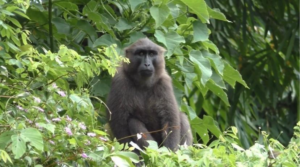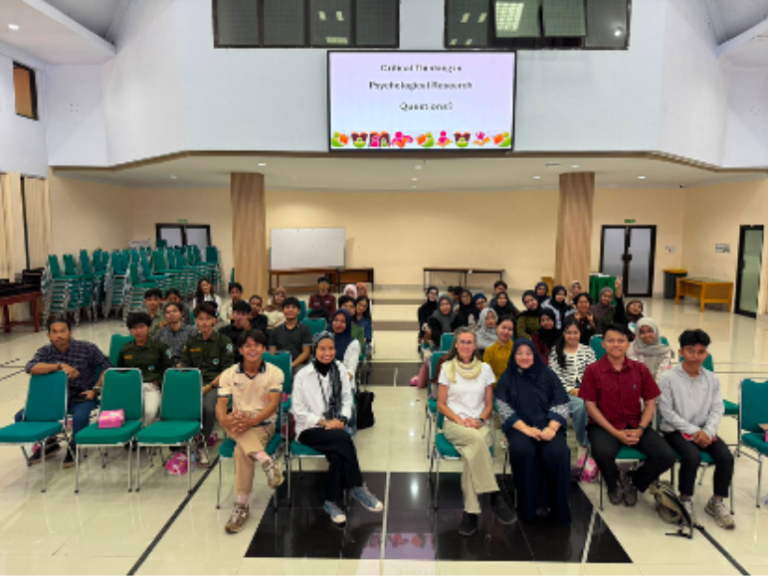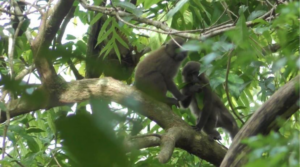
Between March and October 2025, PhD student: Vasco Martins carried out a field-based study in Bira, Bulukumba Regency, South Sulawesi, as part of a collaborative research initiative between Hasanuddin University (WildEV RG), the University of Leipzig, and the University of Lincoln. Location: Bira, Bulukumba Regency, South Sulawesi, Indonesia. The study focused not on wildlife alone, but on the people who live alongside it, with the aim of understanding how local communities perceive, experience, and respond to plastic pollution and its effects on biodiversity, especially the endangered moor macaque (Macaca maura). Date of activity: March–October 2025.
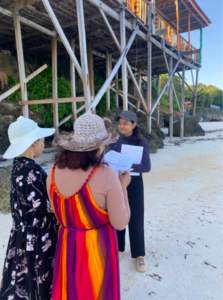
Using a mixed-method approach, Vasco collected data through 250 questionnaires and 25 semi-structured interviews, engaging residents, waste workers, community leaders, and hospitality business owners. Number of participants: 275 participants. These conversations were conducted both online and in person, allowing the research team to build trust, strengthen local engagement, and gather rich insights into everyday behaviors, attitudes, and challenges related to waste management. Rather than treating pollution as a purely environmental issue, the study recognizes it as a social and behavioral problem shaped by access, awareness, economic pressures, and community norms.
This research is particularly important because terrestrial plastic pollution is increasingly threatening ecosystems across Sulawesi. In coastal and forest-edge areas such as Bira, plastic waste can move from settlements into natural habitats, affecting soil quality, water systems, and the health of wildlife. For the moor macaque, which already faces pressure from habitat loss and human disturbance, this kind of pollution adds another layer of risk. By documenting how local communities understand these issues, the study provides a foundation for practical and culturally relevant conservation action.
The project strongly contributes to SDG 1: No Poverty, SDG 4: Quality Education, SDG 15: Life on Land, and SDG 17: Partnerships for the Goals. Its relevance to SDG 1 lies in the recognition that waste practices and environmental pressures are often linked to local livelihoods and economic realities. Its connection to SDG 4 is reflected in the educational value of the work, which supports community learning and awareness-building around pollution and conservation. Most importantly, the study advances SDG 15 by protecting terrestrial biodiversity and supporting coexistence between people and wildlife. SDG 17 is central to the project, as the research was made possible through international academic collaboration and shared expertise across institutions. International partners: Hasanuddin University (WildEV RG), University of Leipzig, and the University of Lincoln.
Looking ahead, Vasco is preparing for a second visit to continue his research through Interactive Theatre as a conservation education tool, building on the relationships and findings established during his first fieldwork phase. Ultimately, this work aims to generate locally grounded policy recommendations that reduce environmental pollution, support human-wildlife conflict mitigation, and strengthen long-term coexistence in South Sulawesi.