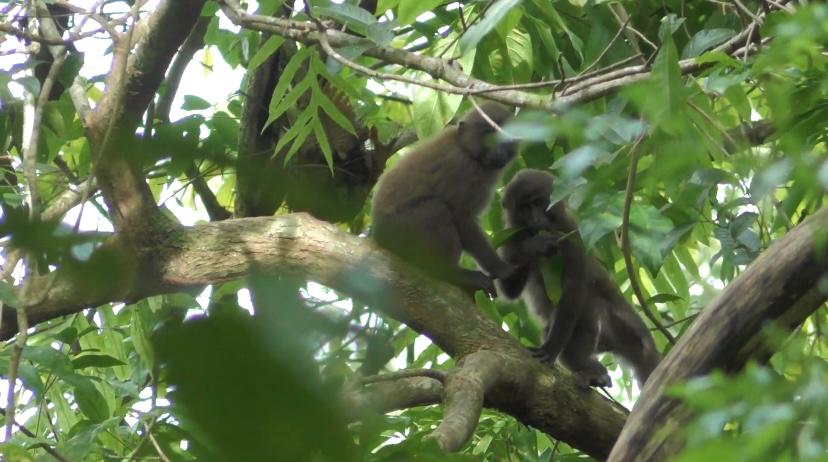

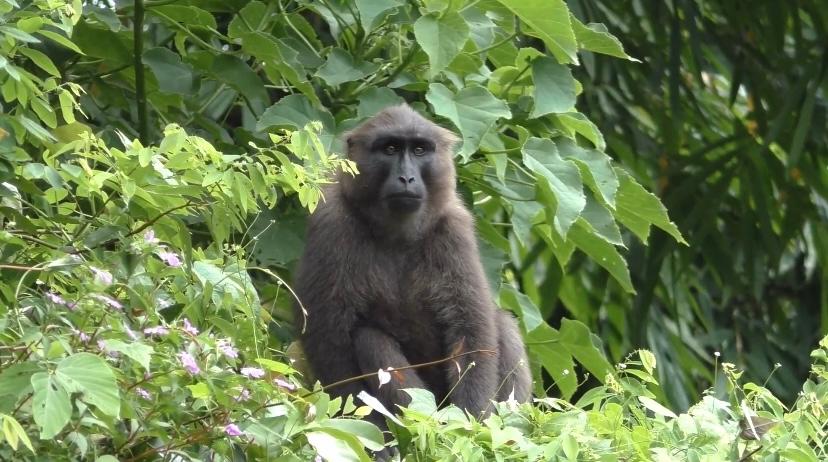
Understanding how animals communicate is a key step toward unraveling the origins of human language. This research activity focuses on the gestural communication of the moor macaque (Macaca maura), an endemic primate species found in South Sulawesi, Indonesia, which remains relatively understudied despite its ecological and scientific importance. Conducted through an international collaboration with the University of Leipzig and the University of Lincoln, this study represents a meaningful contribution to both global science and local conservation efforts.
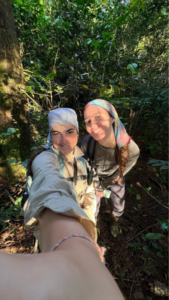
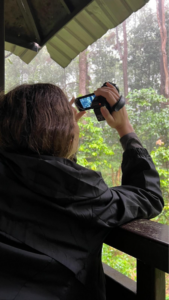
The research is carried out in the Hutan Pendidikan Universitas Hasanuddin, Bengo, South Sulawesi, Indonesia, where a wild group of approximately 26 macaques has been observed in their natural habitat. Using a non-invasive ethological approach, researchers systematically document the gestures produced by individuals, including body movements, postures, and interactions directed at specific group members. The study pays particular attention to how these gestures vary across age groups, sexes, and social contexts, as well as how they develop over time.
The main objective of this activity is to examine the diversity and distribution of gestural communication within the group. By identifying different gesture types and modalities, the research aims to construct a comprehensive gestural repertoire of moor macaques. In doing so, it seeks to deepen our understanding of primate communication systems and provide valuable insights into the evolutionary roots of human language, which is believed to have emerged from complex gestural and social interactions.
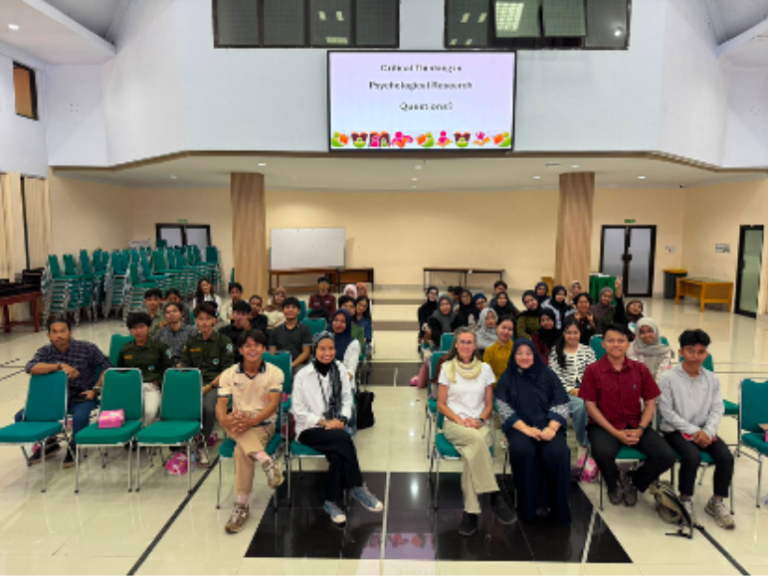
Beyond its scientific significance, this activity also contributes directly to several Sustainable Development Goals (SDGs). In particular, it aligns with SDG 4 (Quality Education) by promoting research-based learning and strengthening academic collaboration across institutions. The involvement of students and field assistants in data collection enhances practical skills, critical thinking, and scientific literacy. Additionally, the study supports SDG 15 (Life on Land) by generating knowledge essential for the conservation of endemic wildlife and their habitats. Protecting species like Macaca maura is crucial for maintaining biodiversity and ecosystem balance. Furthermore, this collaboration exemplifies SDG 17 (Partnerships for the Goals), as it brings together international universities and local researchers to address shared scientific and environmental challenges.
This research activity involved 12 researchers and field assistants and was conducted from March to June 2023 at the Hutan Pendidikan Universitas Hasanuddin, Bengo, South Sulawesi, Indonesia. Through this initiative, we hope to inspire broader public awareness of primate behavior and conservation while contributing to the global effort to understand the origins of communication and language.