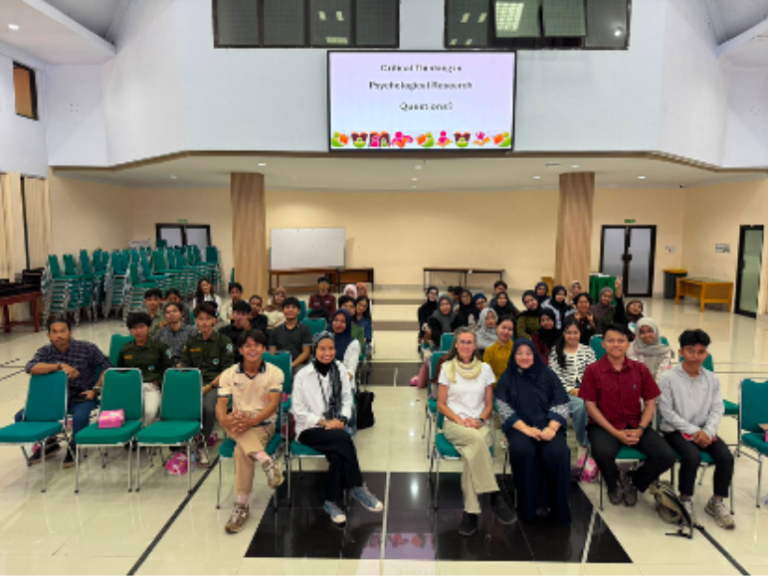
A collaborative research activity titled “Dominance Style in Wild Female and Male Moor Macaques (Macaca maura) in Collaboration with the University of Leipzig and the University of Lincoln” has been successfully conducted in South Sulawesi, Indonesia. This activity highlights the importance of understanding primate behaviour in relation to ecological conditions, while strengthening international academic partnerships and local research capacity.
The objective of the activity is to investigate how environmental factors—particularly feeding resource availability and distribution—shape social behaviour, dominance styles, and interactions among male and female moor macaques (Macaca maura). The study also examines how survival strategies, such as sleeping tree selection, are influenced by ecological pressures including predation risk, territorial dynamics, and parasite exposure.
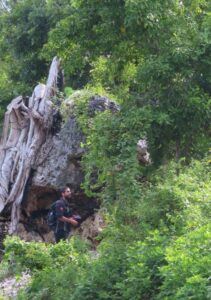
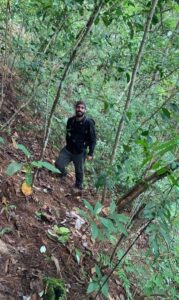
The research was carried out in two key locations representing contrasting habitats: the forest area of Tanjung Bira and the Hutan Pendidikan Universitas Hasanuddin, Bengo, South Sulawesi, Indonesia. These sites provide valuable ecological variation, enabling researchers to compare behavioural patterns across different environmental contexts.
Using a combination of direct behavioural observations and ecological assessments, the research team documented social interactions, group dynamics, and intergroup encounters. The findings indicate that macaques adapt their dominance styles based on the availability of food resources. In areas where food is abundant and widely distributed, social relationships tend to be more tolerant and less hierarchical. Conversely, limited or clustered food resources intensify competition, resulting in more structured and rigid dominance hierarchies.
In addition, the study highlights the importance of sleeping behaviour as a key survival strategy. Observations revealed that macaques consistently selected large Ficus trees located in the central and safest areas of their home range, often returning to the same trees night after night. This behaviour strongly supports the predator avoidance hypothesis, suggesting that safety from predators is the primary factor influencing sleeping site selection, while territorial defence and parasite avoidance play a lesser role.
This activity contributes directly to several Sustainable Development Goals (SDGs). It supports SDG 1 (No Poverty) by generating knowledge that can inform sustainable conservation strategies benefiting local communities. It advances SDG 4 (Quality Education) through hands-on research, student involvement, and international academic exchange. Furthermore, this collaboration exemplifies SDG 17 (Partnerships for the Goals) by fostering strong partnerships between Indonesian and international institutions. Additionally, the research aligns with SDG 15 (Life on Land) by promoting the conservation of terrestrial ecosystems and biodiversity.
The activity involved 12 researchers and field assistants and was conducted from March to June 2023 at Tanjung Bira Forest and the Hutan Pendidikan Universitas Hasanuddin, Bengo, South Sulawesi, Indonesia.
Through this initiative, the research team not only enhances scientific understanding of primate ecology but also contributes to broader conservation efforts. The findings are expected to support evidence-based policies and promote sustainable coexistence between humans and wildlife, ensuring the long-term preservation of Indonesia’s unique biodiversity.