


Description
International Conference on Contemporary Legal Issues (ICCLI) 2024

Description
The Research Application project focuses on translating scientific findings into practical solutions for effective waste management. This initiative bridges the gap between fundamental research and real-world implementation, ensuring that innovations contribute directly to addressing waste-related challenges.
Key aspects of this project include developing technologies for waste reduction, recycling, and resource recovery, as well as improving methods for monitoring and managing waste streams. Collaboration with stakeholders, such as governments, industries, and communities, ensures that the solutions are both feasible and impactful.
The project also emphasizes scalability and adaptability, allowing research outcomes to be tailored to various environmental and socio-economic contexts. By aligning with the goals of the Waste Management Law, this initiative promotes sustainable practices while fostering innovation and collaboration.
Ultimately, the Research Application project drives progress in waste management, ensuring that scientific advancements lead to meaningful environmental and societal benefits.
Description
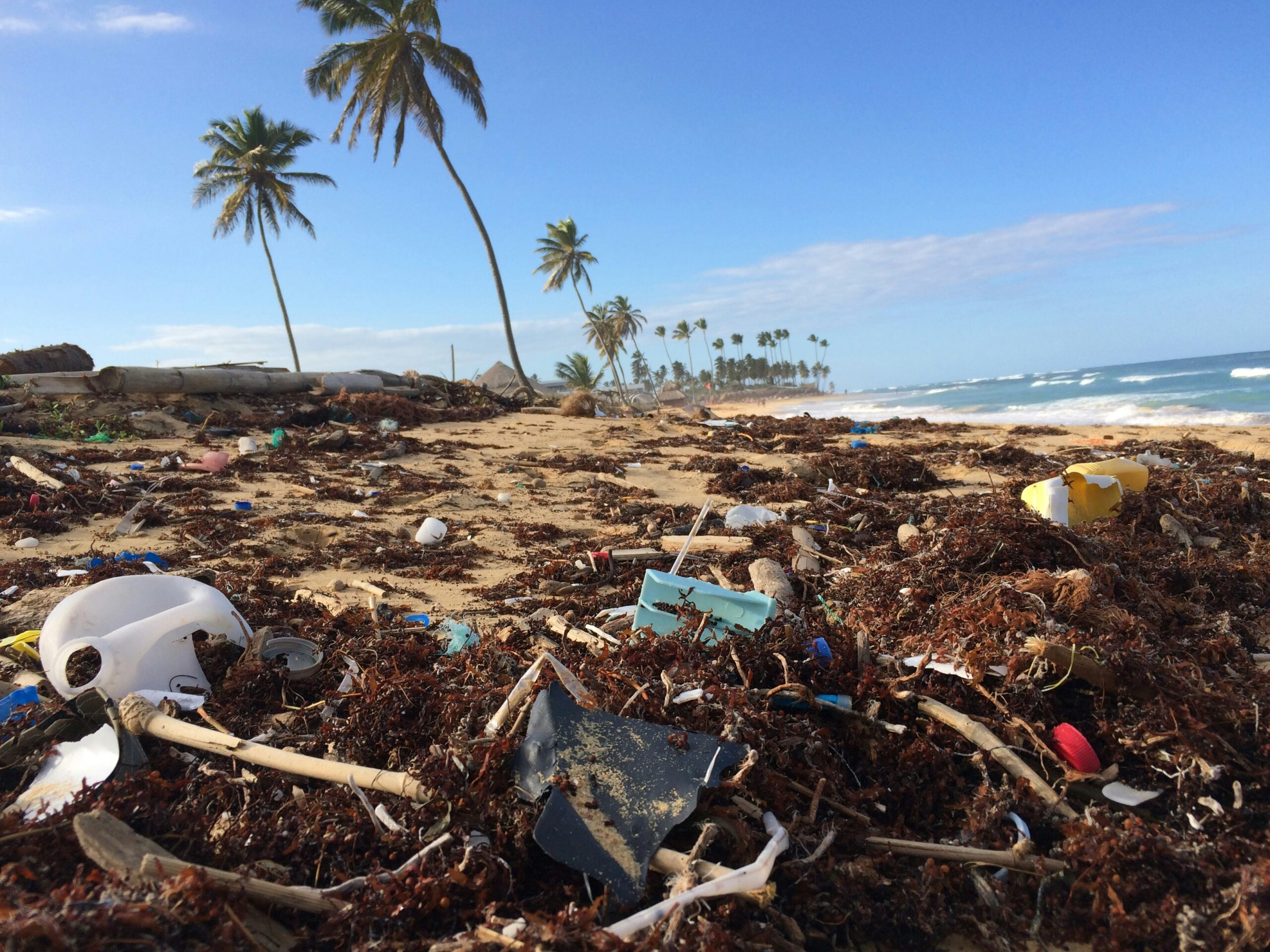
The Waste Management Law Platform Development project focuses on designing a systematic framework to support the implementation of waste management regulations. This platform aims to enhance compliance, streamline monitoring processes, and promote sustainable waste practices across industries and communities.
By integrating data-driven tools, the platform enables efficient tracking of waste generation, disposal methods, and adherence to legal standards. It addresses key challenges such as illegal dumping, resource inefficiency, and lack of stakeholder coordination. Additionally, the project fosters collaboration among governments, industries, and the public to ensure shared accountability and transparency.
The platform is designed to adapt to technological advancements, socio-economic shifts, and evolving international regulations. This flexibility ensures its relevance in addressing current and future waste management challenges.
Ultimately, this initiative bridges the gap between policy and implementation, supporting the goals of the Waste Management Law while contributing to a cleaner, more sustainable environment.

Description
Basic research, or fundamental research, is the cornerstone of scientific discovery, driven by curiosity and a quest for knowledge. Unlike applied research, it focuses on understanding core principles, mechanisms, and processes that form the foundation of natural phenomena without immediate practical applications. In the context of waste management, basic research explores the fundamental behaviors of waste materials, degradation processes, and environmental interactions.
For instance, studying the chemical composition and breakdown of organic waste provides critical insights into designing effective composting methods or bioconversion systems. Similarly, examining the environmental impact of different waste materials contributes to the development of environmentally friendly waste treatment technologies. Basic research also plays a pivotal role in understanding the socio-economic aspects of waste generation and management, guiding policies and innovations that align with sustainability goals.
By advancing fundamental knowledge, basic research serves as the bedrock for applied research and technological innovation. It informs strategies that address global challenges such as urbanization, resource scarcity, and environmental degradation. Through rigorous investigation and collaboration, basic research bridges gaps in understanding, paving the way for transformative solutions in waste management and environmental protection.