
Photo courtesy of Amanda L. Ellwanger, used with permission.
Maros, South Sulawesi – Protecting wildlife in increasingly fragmented landscapes requires collaboration between researchers, conservation authorities, and infrastructure stakeholders. In Bantimurung-Bulusaraung National Park, TRG TREDIC of Hasanuddin University and Project SEED are working together with Balai Taman Nasional Bantimurung-Bulusaraung (Balai TN BABUL) to develop a canopy bridge that can provide a safer route for Moor macaques (Macaca maura) across a road that has fragmented their forest habitat. The initiative was carried out in collaboration with the Bantimurung-Bulusaraung National Park Authority (Balai TN BABUL) and the South Sulawesi National Road Implementation Agency (Balai Besar Pelaksanaan Jalan Nasional Sulawesi Selatan/BBPJN Sulsel).
This collaborative activity directly supports Sustainable Development Goal (SDG) 15 – Life on Land by improving habitat connectivity for endemic wildlife, SDG 9 – Industry, Innovation and Infrastructure through the development of wildlife-friendly road infrastructure, SDG 11 – Sustainable Cities and Communities by promoting safer coexistence between humans and wildlife, and SDG 17 – Partnerships for the Goals through collaboration between universities, international partners, and government institutions.
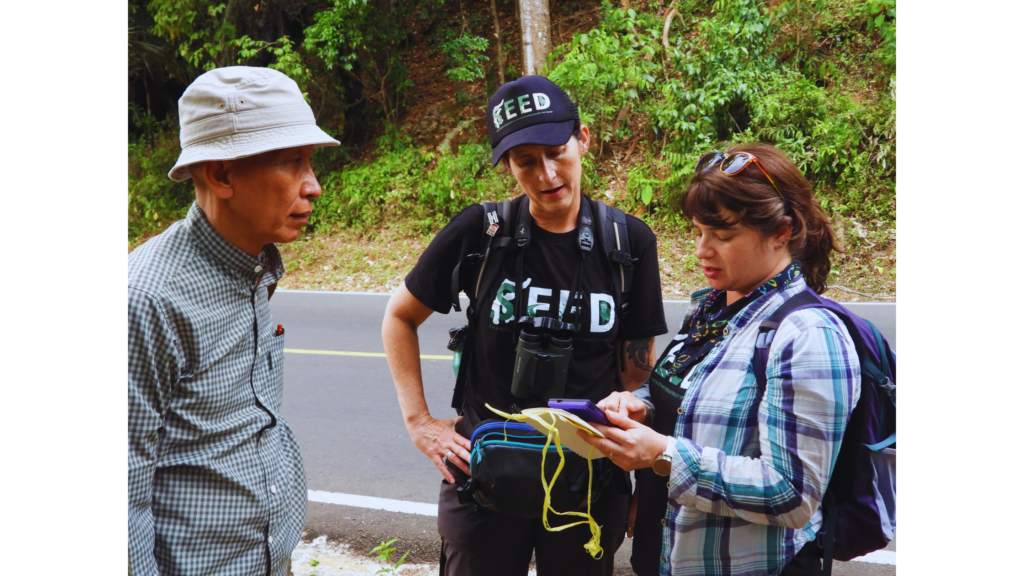
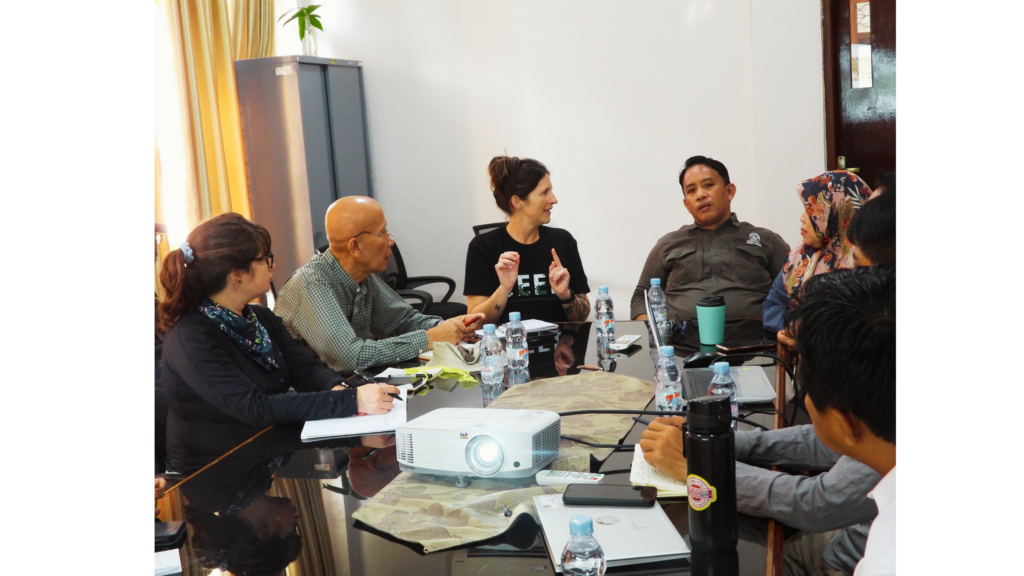
The activity began with a design coordination meeting held at the Bantimurung-Bulusaraung National Park Office, followed by a field survey in Karaenta Forest Reserve, where the proposed canopy bridge locations were evaluated. Researchers, engineers, and conservation managers worked together to assess suitable sites and discuss technical considerations that would ensure both wildlife safety and road user safety.
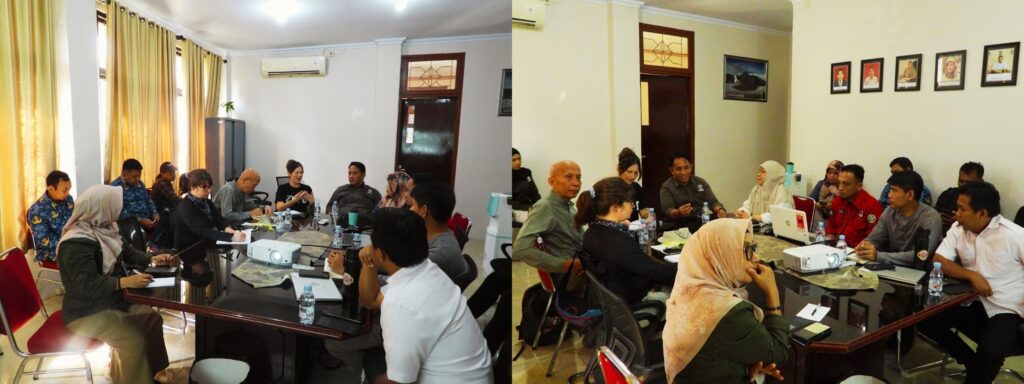
The coordination meeting at the Bantimurung-Bulusaraung National Park Office, where representatives from Balai TN Bantimurung-Bulusaraung, Project SEED, TRG TREDIC, and BBPJN Sulsel discussed the objectives of the initiative and the technical requirements for constructing a wildlife canopy bridge. The international delegation included Prof. Erin P. Riley from San Diego State University (USA) and Dr. Amanda L. Ellwanger from Georgia State University (USA). Representing TRG TREDIC were Prof. Dr. Ngakan Putu Oka, Putra Awaludding, and Esya Ariel Asyam Umarah. The meeting was also attended by Abdul Rajab, Head of Bantimurung-Bulusaraung National Park; Zainabun, Head of Administration; Nur Aisyah Amnur, Head of SPTN Region II; Tahari, Staff of Public Services, Cooperation, and Public Relations; Kama Jaya Shagir; and seven additional staff members from the National Park Authority. Representing BBPJN Sulawesi Selatan were Dr. Andi Any Wahyuni, Head of the Integrated Road Infrastructure Development Division, together with four engineering staff members who will support the technical planning and implementation of the canopy bridge.
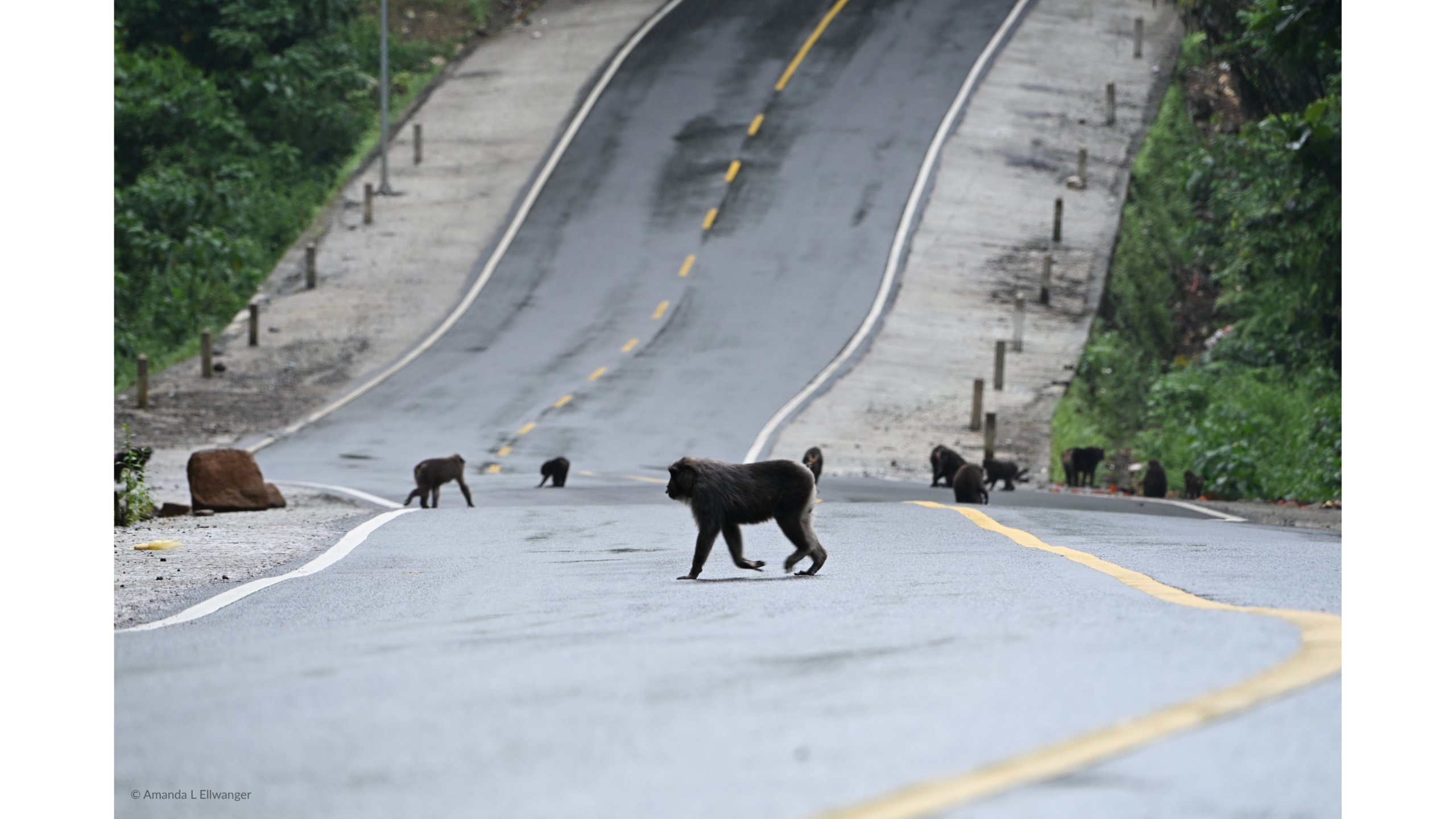
The proposed canopy bridge is designed to address one of the growing conservation challenges in Karaenta Forest Reserve. The Maros-Bone road divides the forest into two sections, forcing wildlife, particularly the endemic Moor macaque (Macaca maura), to descend to the ground when moving between habitat patches. As traffic volume continues to increase, so does the risk of wildlife-vehicle collisions and human-wildlife interactions.
During the discussion, participants reviewed successful canopy bridge designs implemented in other regions, including Sumatra, Indonesia and Penang, Malaysia. Various bridge models were evaluated, such as single-rope bridges, ladder bridges, and ladder bridges equipped with safety nets. The team also discussed appropriate construction materials, bridge durability, and engineering specifications that would support the movement of arboreal wildlife while ensuring long-term structural stability.
A key aspect of the planning process was ensuring that the bridge design reflects the ecology of the target species. According to Prof. Erin P. Riley, adult male Moor macaques can exceed 20 kilograms, requiring the bridge to safely support their weight as well as accommodate repeated daily use. Engineers from BBPJN Sulsel will develop detailed bridge designs based on the technical recommendations provided by Project SEED and TRG TREDIC.
Rather than implementing a single design, the project plans to construct two prototype canopy bridges for field testing. Researchers will monitor wildlife use to determine which design is most effective for Moor macaques and other arboreal species. The long-term goal is to install at least two canopy bridges within the home range of one macaque group, maximizing habitat connectivity while reducing the need for animals to cross the road at ground level.
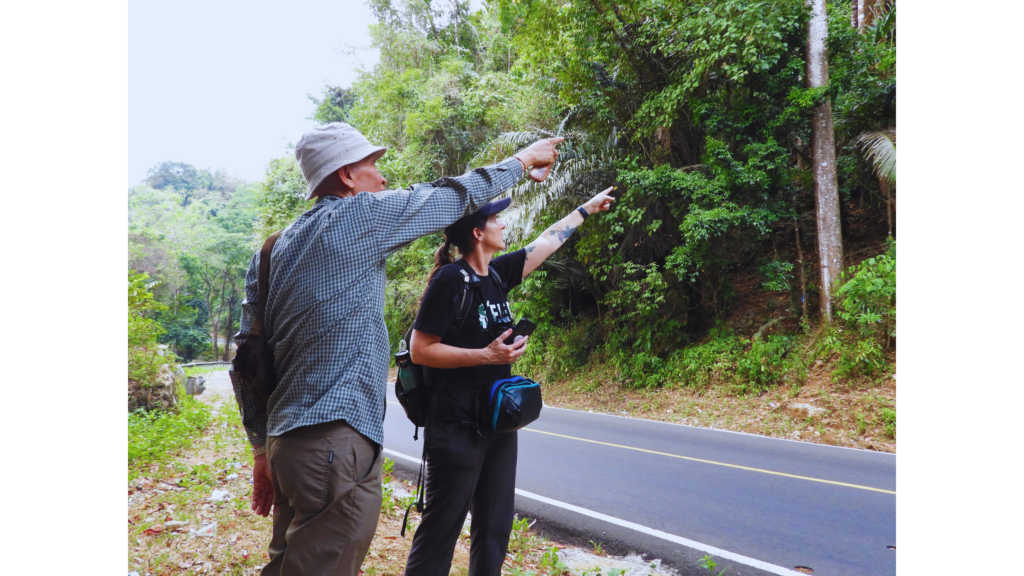
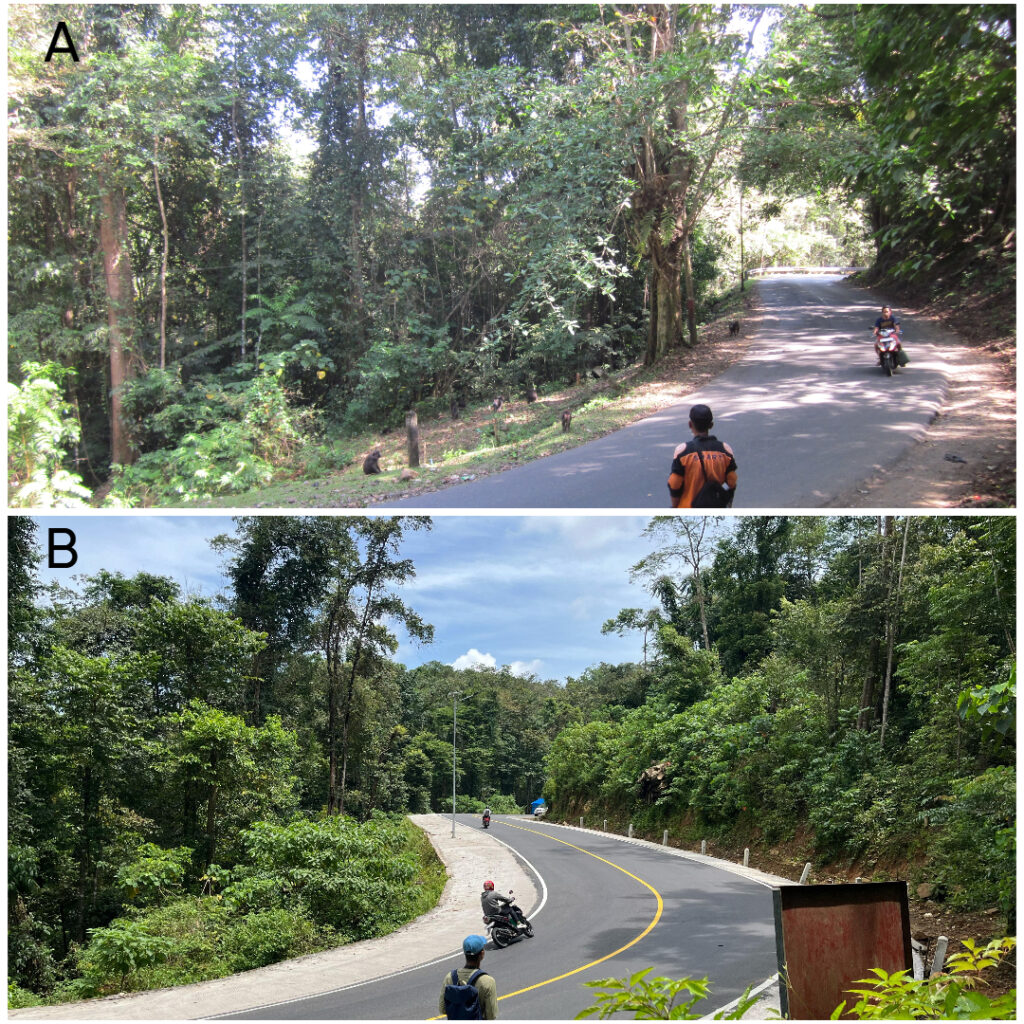
Following the meeting, the team conducted a field survey in Karaenta Forest Reserve to assess potential canopy bridge locations. Walking along sections of the Maros-Bone road, researchers and engineers identified known wildlife crossing hotspots frequently used by Moor macaques (Macaca maura) and evaluated the surrounding habitat. The survey included observations of canopy connectivity, road width, topography, vegetation structure, and the availability of large trees and karst formations that could serve as natural anchor points for the bridge. These field observations provide essential information for selecting locations that maximize wildlife use while ensuring structural safety.
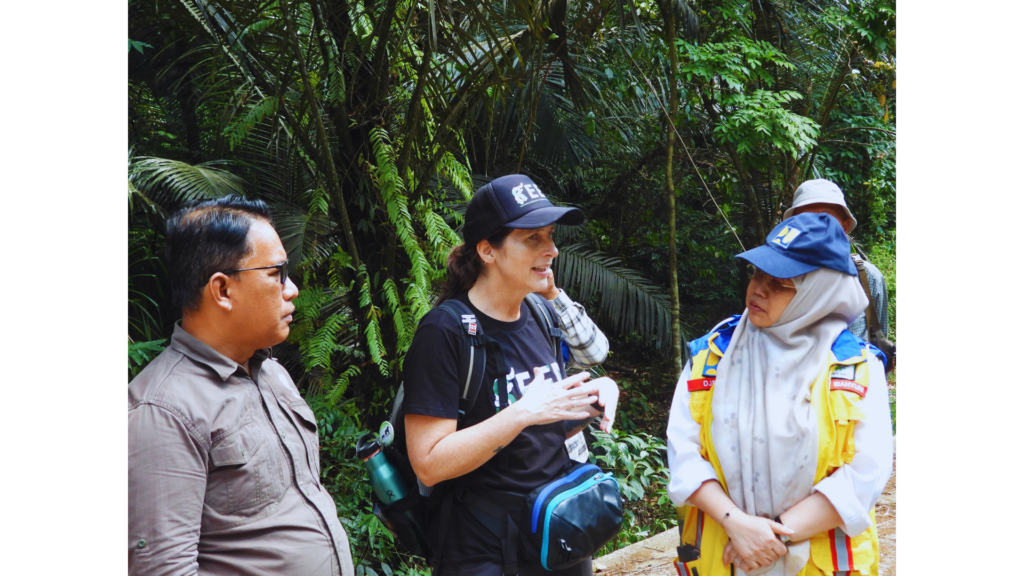
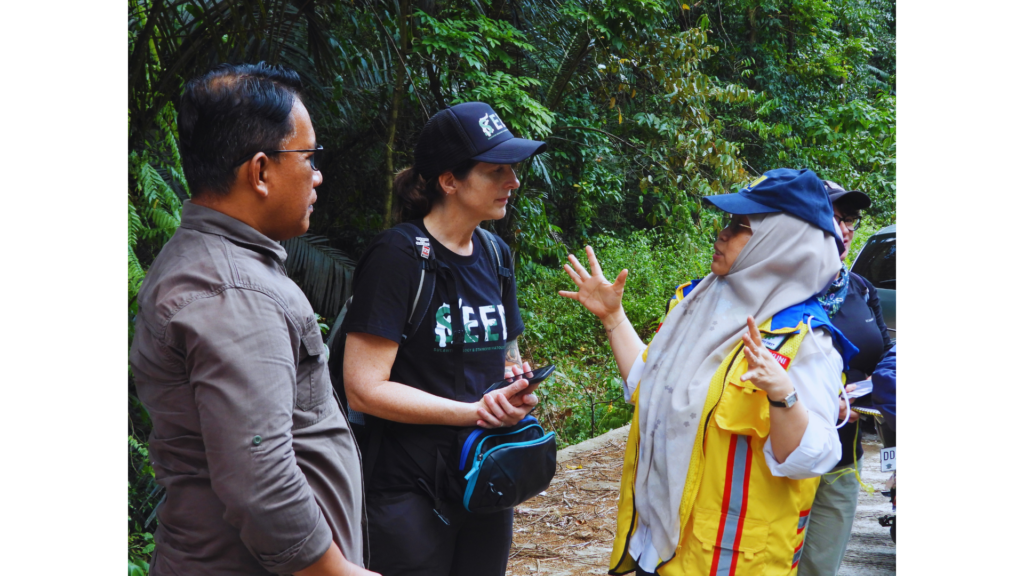
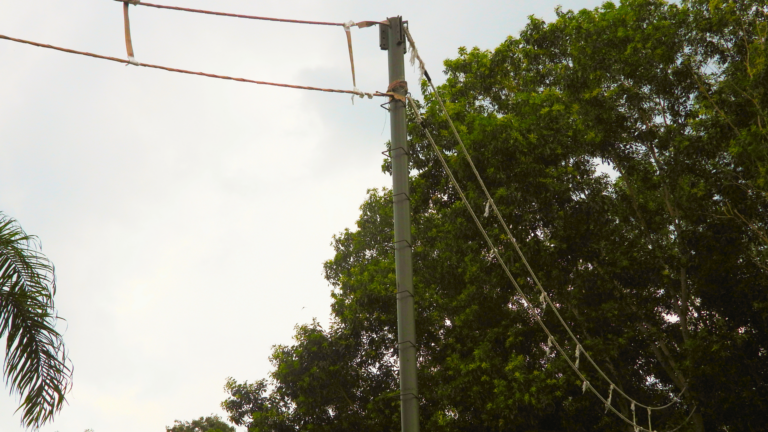
During the field survey, the team also discussed practical considerations for future monitoring and maintenance. Potential locations for installing camera traps were identified to evaluate wildlife use after construction, while engineers assessed the appropriate bridge height and pole placement to ensure sufficient clearance for vehicles without compromising accessibility for arboreal species. Public safety was also taken into account, including strategies to prevent unauthorized access to bridge support structures and monitoring equipment.
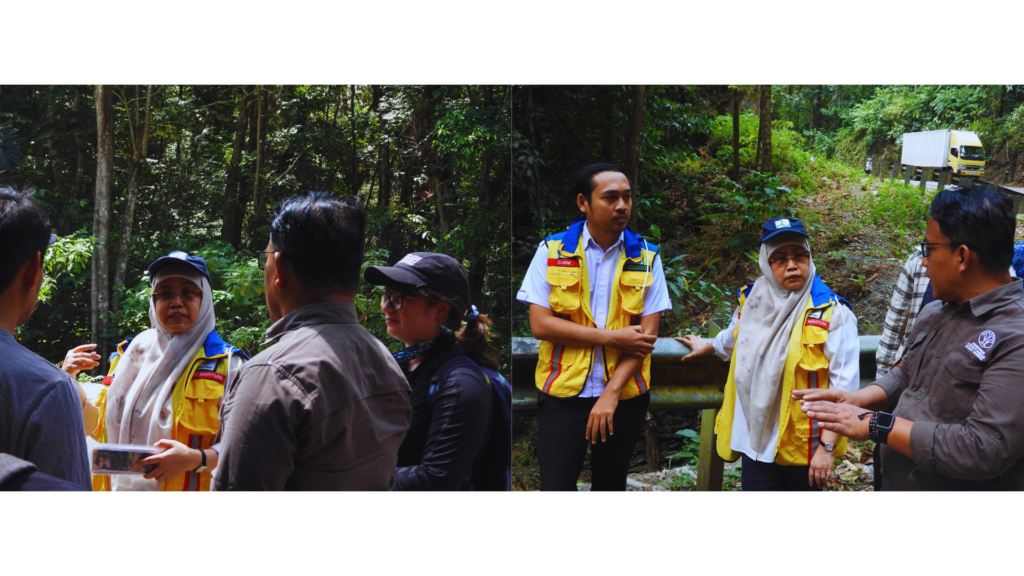
Following the field survey, Project SEED and TRG TREDIC will identify priority locations for the initial installation phase. Subject to funding availability, pilot canopy bridges are expected to be installed in 2027, after which researchers will conduct long-term monitoring to evaluate bridge effectiveness and wildlife use.
This initiative demonstrates how scientific research can be translated into practical conservation action through strong partnerships. By bringing together researchers, engineers, conservation practitioners, and government agencies, the collaboration aims to create infrastructure that protects both wildlife and people while ensuring the long-term conservation of South Sulawesi’s unique biodiversity.