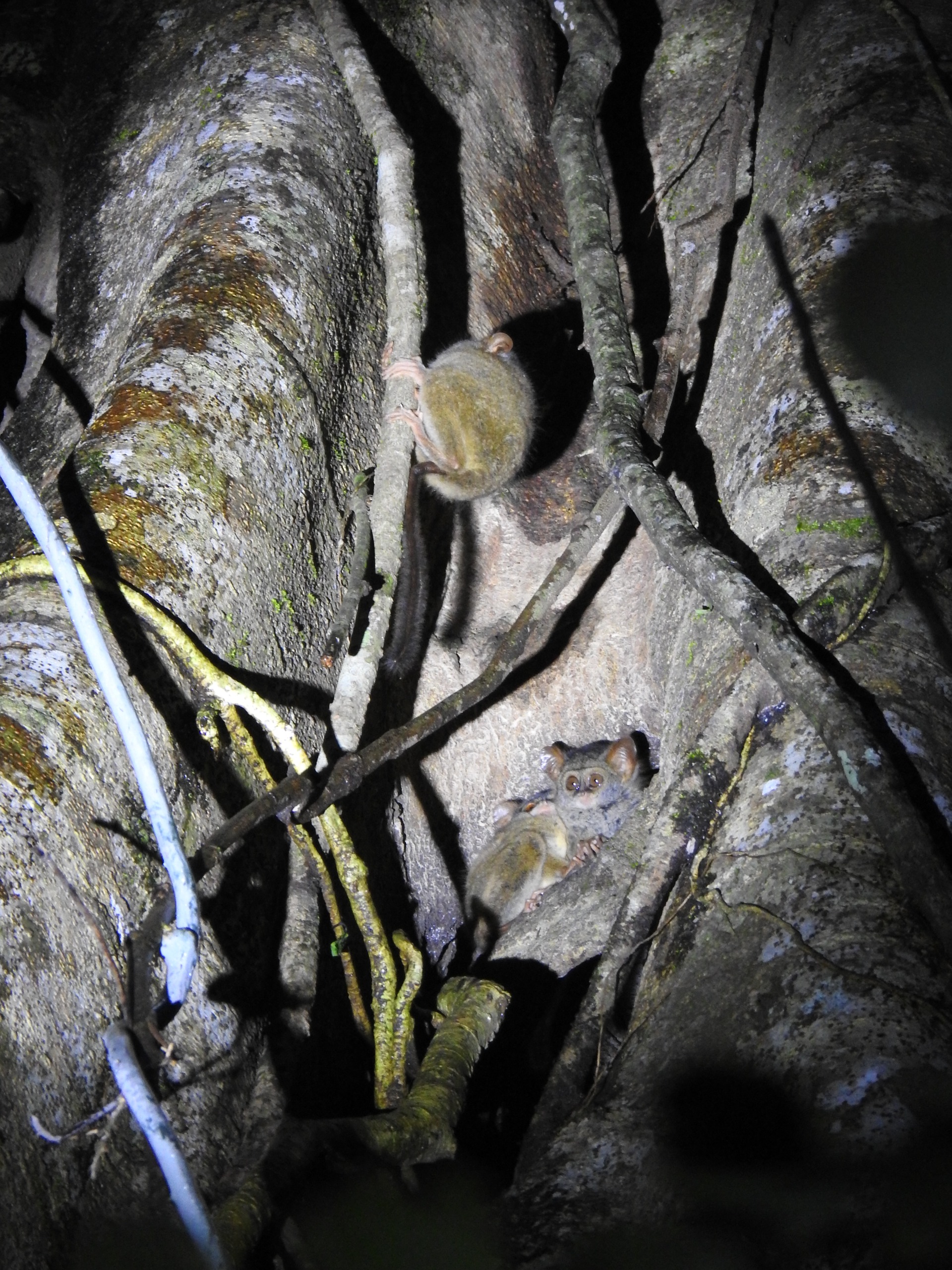

MAKASSAR, Indonesia, March 11, 2026 /TREDIC/ – The Wallacea region of Indonesia is globally recognized for its exceptional biodiversity and high level of endemism. Among its most distinctive species is Tarsius fuscus, a small nocturnal primate. Despite its ecological significance, many aspects of its behavioral ecology remain poorly understood, particularly how it selects and utilizes sleeping sites in the wild. Understanding these behaviors is essential for developing effective conservation strategies in rapidly changing tropical landscapes.
A research initiative titled “Sleeping Site as a Reflection of Survival Strategy: Tarsier Choices in the Wild” is currently underway in the Hasanuddin University Educational Forest, Maros Regency, South Sulawesi. This ongoing activity aims to identify the main ecological factors that influence the sleeping site selection of Tarsius fuscus. By focusing on the relationship between habitat structure, environmental conditions, and behavioral adaptations, the study seeks to explain how this species survives and thrives within the complex ecosystems of Wallacea.
Tarsius fuscus plays an important ecological role as a natural controller of insect populations. As an insectivorous primate, it contributes to maintaining ecosystem balance by regulating arthropod abundance. However, scientific knowledge about how this species chooses safe and suitable sleeping sites—an essential aspect of its survival strategy—remains limited. Sleeping sites are critical for protection against predators, energy conservation, and social interaction within tarsier groups.

This research employs a behavioral ecology approach combined with spatial analysis to observe tarsier behavior in its natural habitat. Researchers document habitat characteristics such as vegetation structure, canopy density, tree cavities, and proximity to feeding areas. Through systematic field observations and spatial mapping, the study aims to identify patterns in sleeping site preferences and determine which environmental factors most strongly influence these choices.
The study also supports the Tropical Ecology and Biodiversity Conservation Research Group roadmap, which prioritizes ecological studies of endemic species in Wallacea. The 2026 research phase serves as the initial stage of a medium-term research program planned for 2027–2030. Future phases will expand the investigation to include tarsier behavioral dynamics, interactions between humans and tarsiers, and coexistence with other wildlife species across South Sulawesi landscapes.
Beyond generating scientific knowledge, this initiative contributes to broader global development priorities reflected in the Sustainable Development Goals (SDGs). The research aligns with SDG 1: No Poverty, as biodiversity conservation and sustainable ecosystem management support long-term community livelihoods and ecological resources. It also supports SDG 4: Quality Education by providing opportunities for field-based learning, research training, and scientific capacity building for students and young researchers. Furthermore, the project contributes to SDG 15: Life on Land, emphasizing the conservation of terrestrial ecosystems and endemic wildlife in biodiversity hotspots such as Wallacea. Collaboration between researchers, academic institutions, and conservation stakeholders also reflects the spirit of SDG 17: Partnerships for the Goals, highlighting the importance of multi-sector cooperation in addressing environmental challenges.
By examining how Tarsius fuscus selects its sleeping sites, this research provides critical insight into the species’ survival strategies and habitat requirements. Ultimately, the findings are expected to serve as an important scientific foundation for biodiversity conservation planning, sustainable habitat management, and long-term ecological research in the Wallacea region, ensuring that this unique primate continues to thrive within Sulawesi’s tropical ecosystems.
Contact:
A. Siady Hamzah
+62 852-4245-7696
siadyhamzah@unhas.ac.id