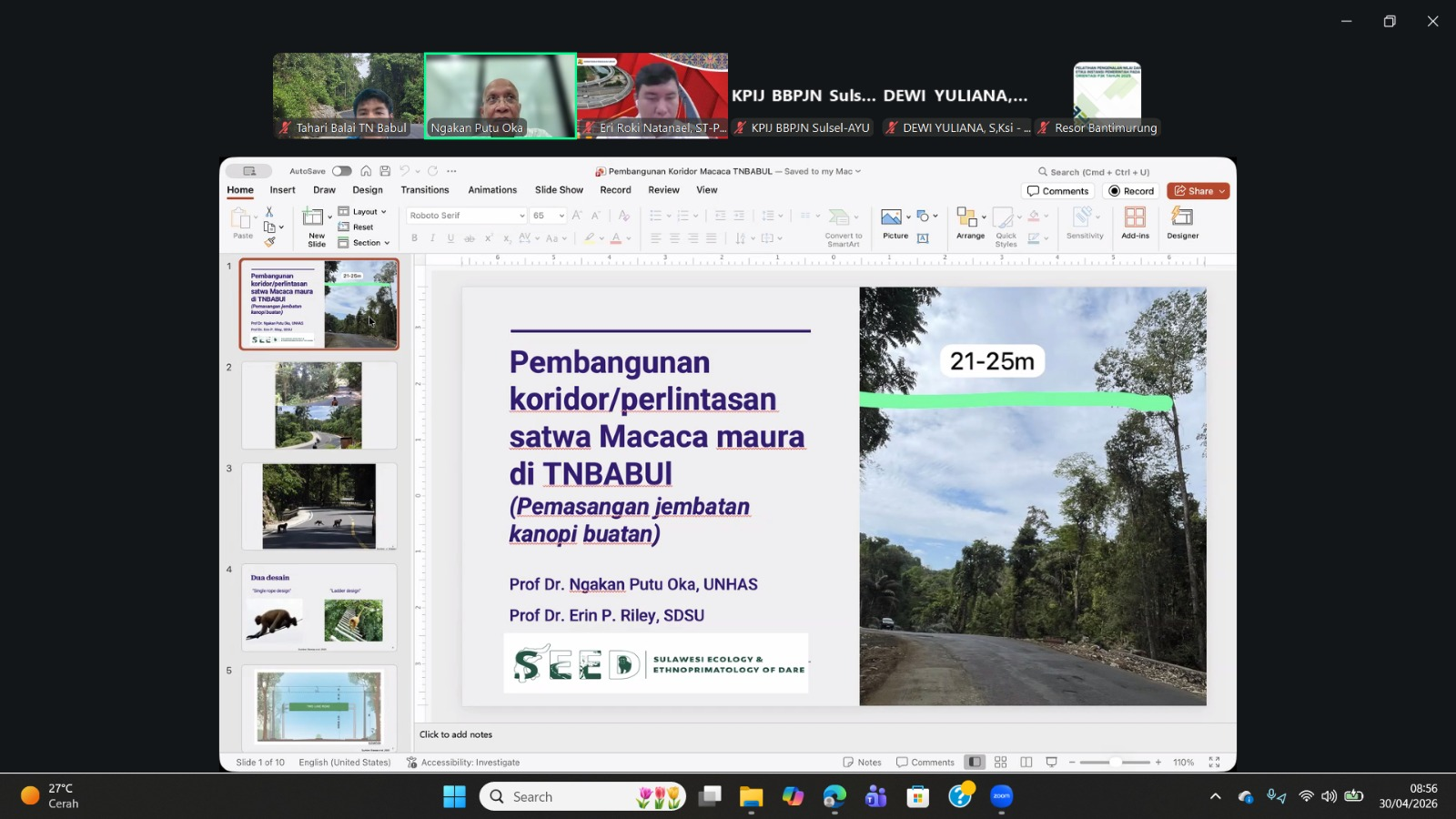

Maros, South Sulawesi – Conserving wildlife often begins with reconnecting habitats. On April 30, 2026, Universitas Hasanuddin, together with the Department of Anthropology, San Diego State University (SDSU), USA, initiated the first phase of planning for a wildlife canopy bridge in Karaenta Forest Reserve, Bantimurung-Bulusaraung National Park (BBNP). The activity brought together 15 participants from academia, government agencies, and conservation practitioners to discuss a long-term solution for reducing the impacts of habitat fragmentation while promoting safer coexistence between humans and wildlife.
The initiative directly contributes to several Sustainable Development Goals (SDGs), particularly SDG 15 – Life on Land, by protecting biodiversity and improving habitat connectivity; SDG 17 – Partnerships for the Goals, through international collaboration between Indonesian and United States institutions; SDG 11 – Sustainable Cities and Communities, by supporting infrastructure that benefits both people and wildlife; and SDG 9 – Industry, Innovation and Infrastructure, through the development of innovative ecological infrastructure for conservation.
Bantimurung-Bulusaraung National Park is one of Indonesia’s most important biodiversity hotspots, spanning the regencies of Maros, Pangkep, and Bone in South Sulawesi. The park provides habitat for several endemic mammals, including the Moor macaque (Macaca maura), Makassar tarsier (Tarsius fuscus), and Sulawesi bear cuscus (Ailurops ursinus). One of the most important habitats for these species is the Karaenta Forest Reserve.
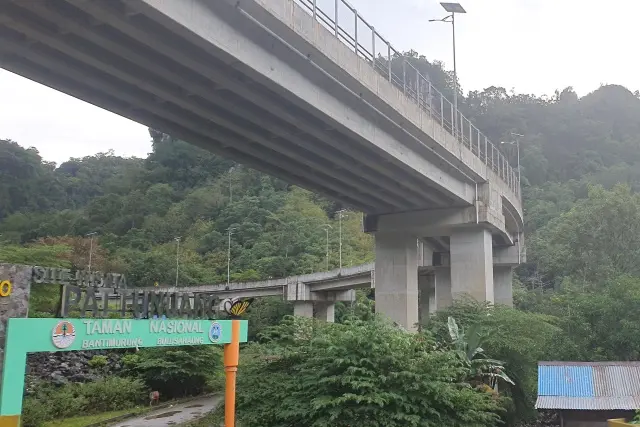
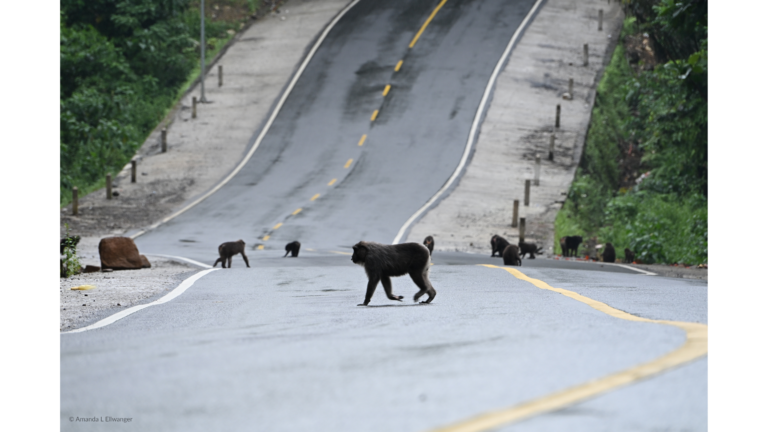
Despite its ecological significance, Karaenta Forest Reserve is divided by the Maros–Bone highway, a major transportation route connecting Bone Regency with Makassar, the provincial capital. While the road is essential for local communities, it also fragments the forest, creating increasing interactions between wildlife and humans.
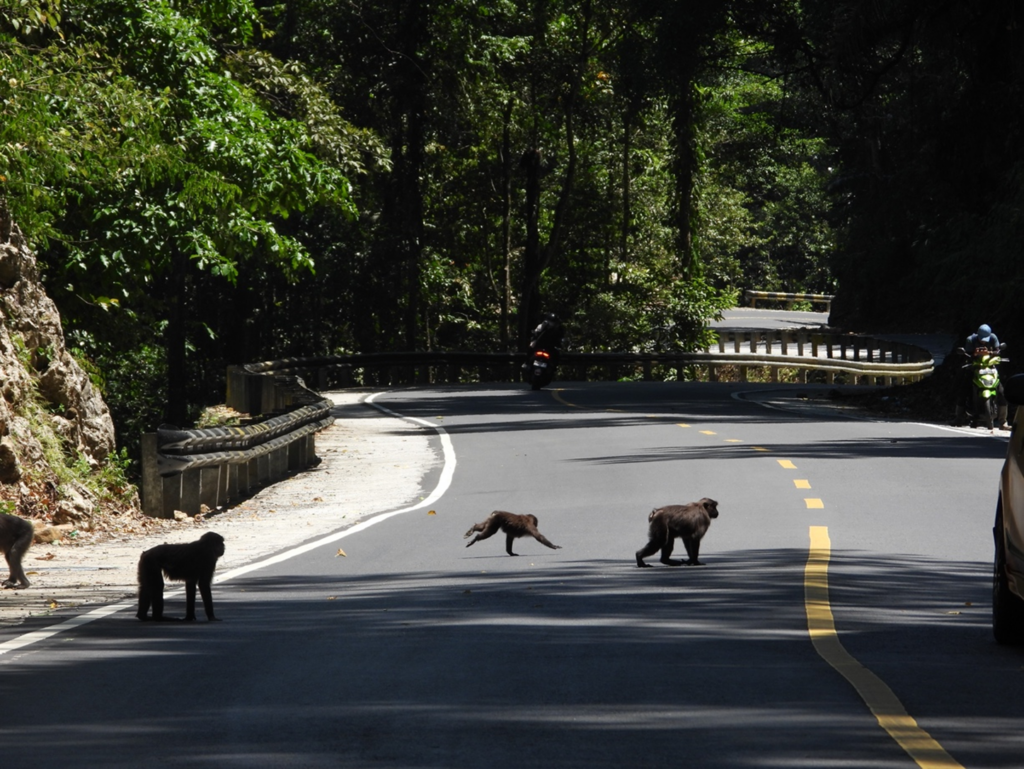
Long-term monitoring has revealed notable changes in the behavior of Moor macaques inhabiting Karaenta. Before 2015, the macaques rarely approached the roadside despite continuous traffic. However, observations conducted during 2016–2017 found that approximately 17% of recorded macaque groups had begun using the roadside, mainly due to food provided by passing motorists. Nearly a decade later, monitoring in 2024–2025 showed that this figure had almost doubled to approximately 32%, indicating an increasing reliance on human-derived food sources and greater exposure to traffic-related risks.ad.
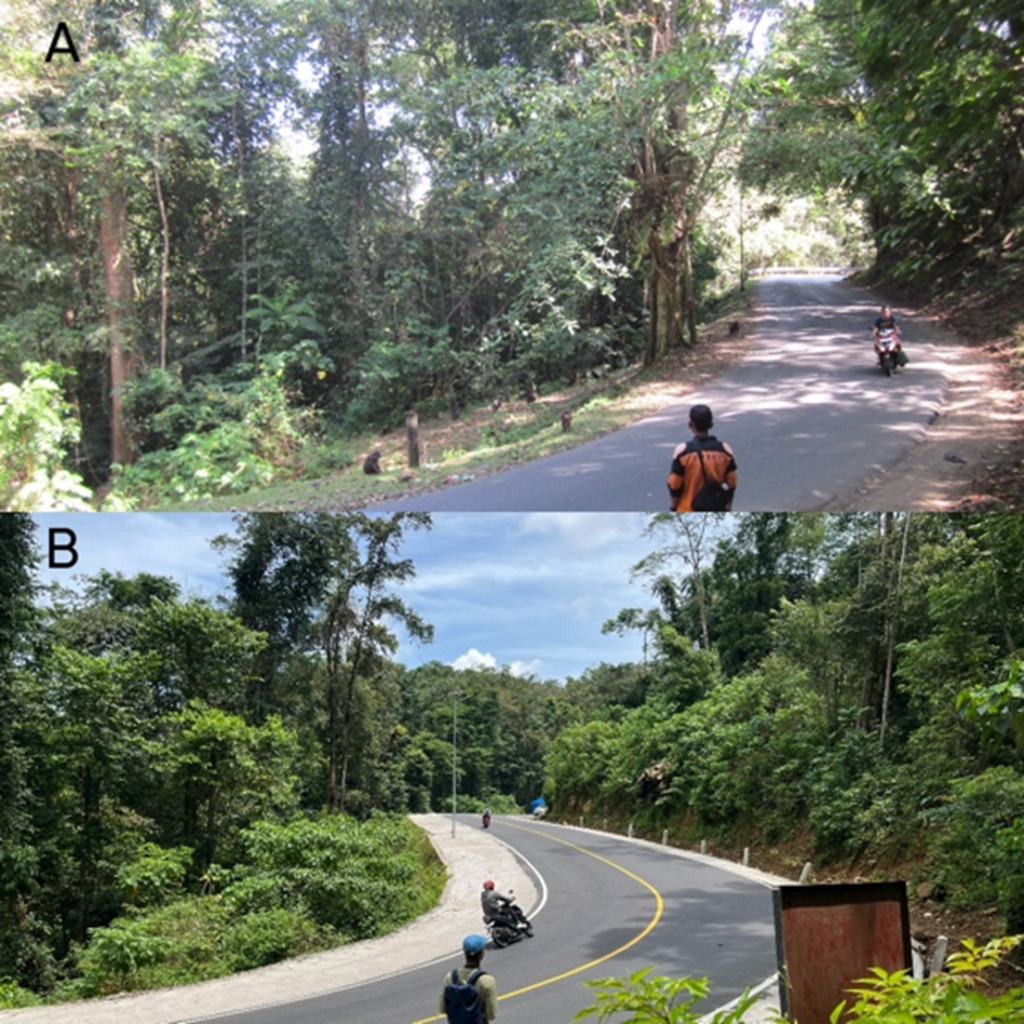
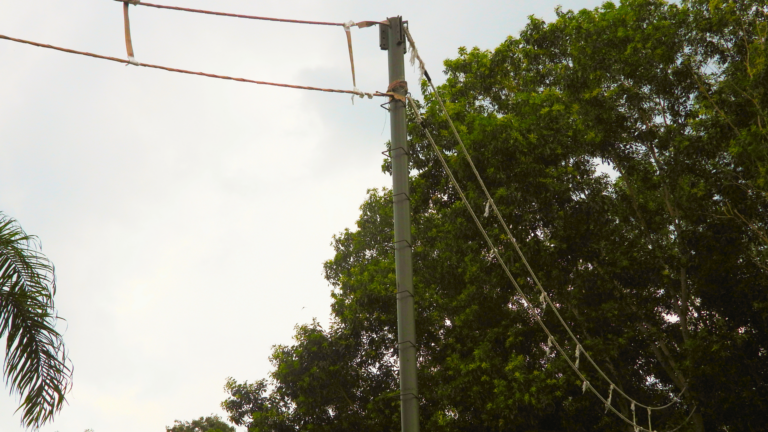
Between 2022 and 2025, the Maros–Bone road underwent a major widening project to improve transportation safety and efficiency. The project reconstructed the road surface, widened traffic lanes, and installed guardrails. Although these improvements have made travel safer for motorists, they have also increased the gap between forest canopies, making it more difficult for arboreal wildlife to move safely across the landscape.
As a result, species such as the Moor macaque are now more frequently forced to descend to the ground and cross the road directly, increasing the risk of vehicle collisions and intensifying human–wildlife interactions.
Recognizing these challenges, Prof. Dr. Ngakan Putu Oka from Universitas Hasanuddin and Prof. Dr. Erin P. Riley from the Department of Anthropology, San Diego State University (SDSU) initiated discussions with Bantimurung-Bulusaraung National Park and the South Sulawesi Road Construction Authority (Balai Besar Pelaksanaan Jalan Nasional). The meeting focused on the development of a wildlife canopy bridge as a practical conservation solution that would reconnect fragmented forest habitat while maintaining safe transportation infrastructure.
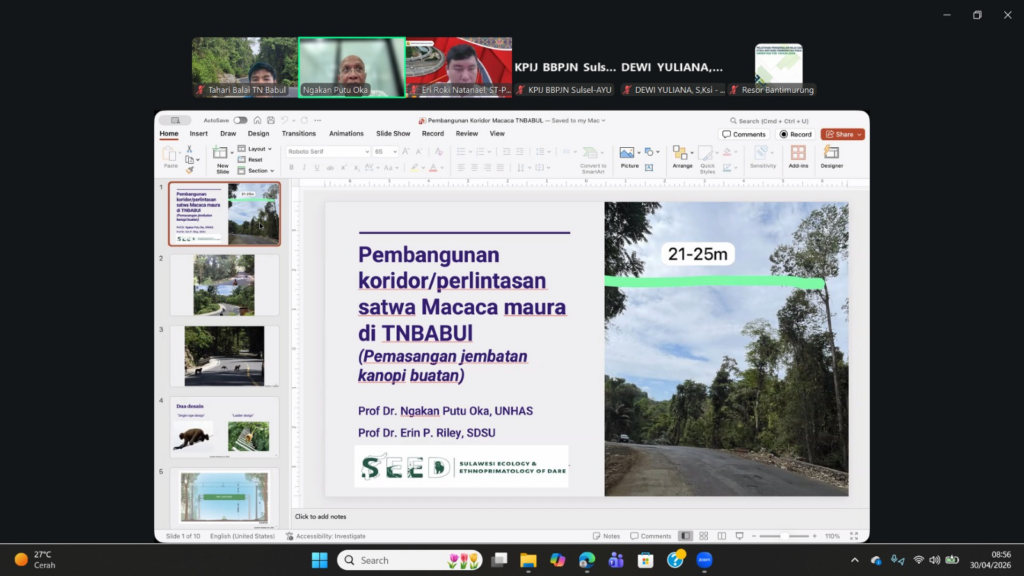
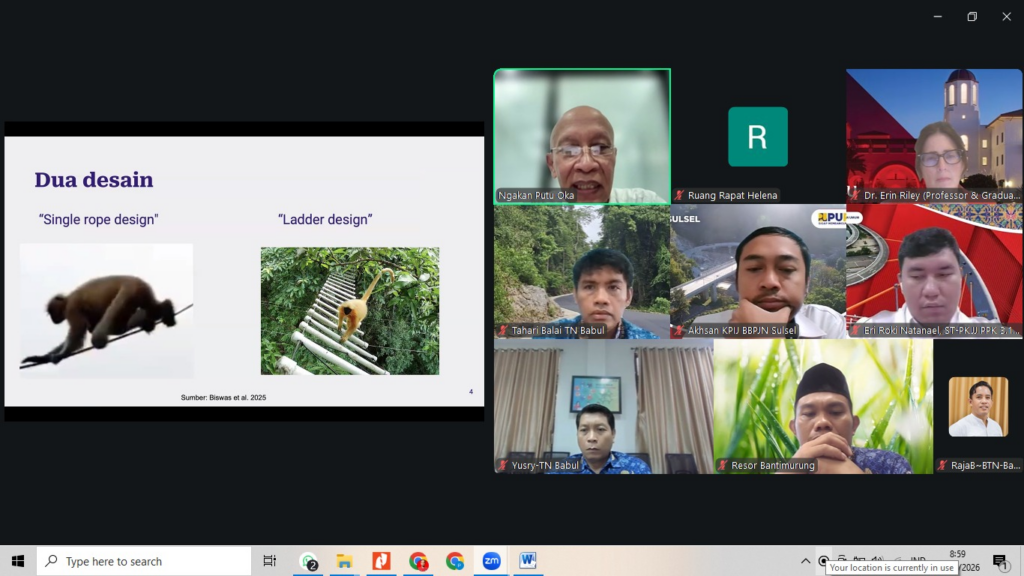
During the meeting, participants presented scientific evidence demonstrating the urgency of the project and shared examples of successful canopy bridges implemented in other parts of the world. Discussions also covered bridge design alternatives, suitable construction materials, installation locations, and long-term monitoring strategies to evaluate the bridge’s effectiveness once constructed.
Future monitoring will combine camera trap installations with direct behavioral observations to assess wildlife use of the bridge and measure its contribution to restoring habitat connectivity.
The proposed canopy bridge represents more than just a physical structure—it reflects a shared commitment among researchers, government agencies, conservation managers, and international partners to develop science-based solutions that protect South Sulawesi’s unique biodiversity. Through collaboration and innovation, this initiative is expected to create a safer environment for both wildlife and the communities that share the landscape.