OUR RESEARCH PROJECTS

Description
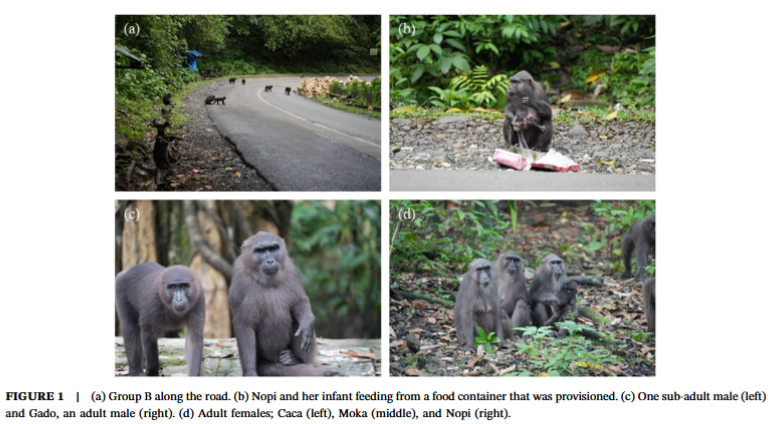
Imagine driving through a national park and seeing a group of wild monkeys waiting calmly beside the road for passing vehicles. While this scene may appear entertaining, it reveals a much deeper story about how wildlife adapts to human activities and the hidden risks that come with it.

Description
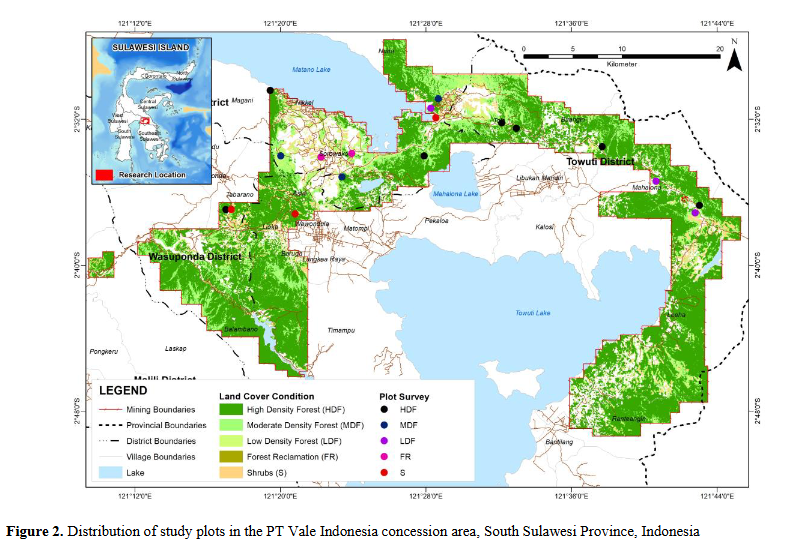
When people think about tropical forests, they often imagine lush green landscapes filled with countless plant and animal species. However, hidden within Sulawesi, Indonesia, lies a unique type of forest growing on ultrabasic (ultramafic) soils, one of the world’s most challenging environments for plant life. Despite poor nutrients and naturally high metal content, these forests have evolved into extraordinary ecosystems that support many species found nowhere else on Earth.

Description
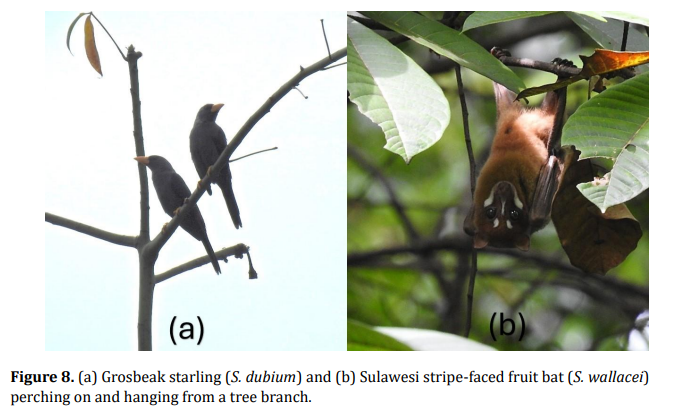
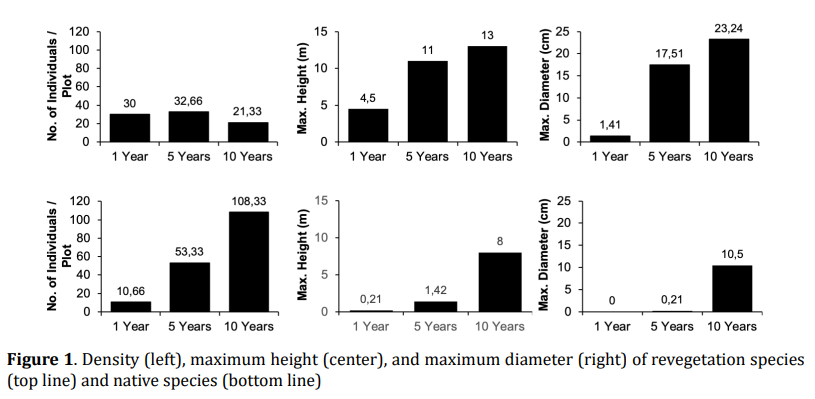
Imagine a former nickel mining site transformed into a place where birds sing, fruit bats return, and native trees begin to flourish again. While mining often leaves behind damaged landscapes, nature has an incredible ability to recover when people commit to ecological restoration. A recent study from South Sulawesi, Indonesia, shows that restoring habitats is not simply about planting trees, it is about rebuilding an entire living ecosystem where plants, birds, and mammals interact once again.

Description
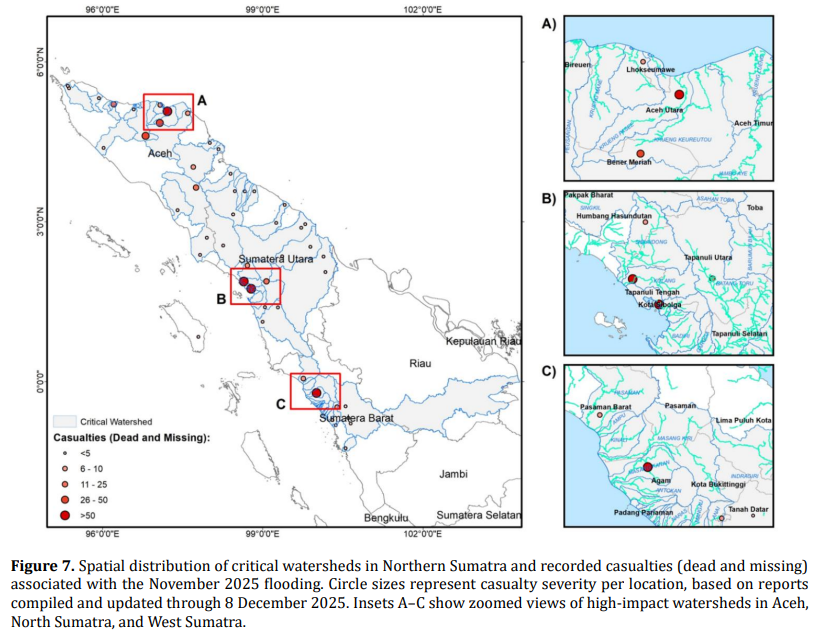
Natural disasters are often described as unavoidable acts of nature. However, many disasters become far more destructive because of human activities. The devastating flash floods that struck Northern Sumatra in November 2025 provide a powerful reminder that extreme weather alone is not always the main culprit. Instead, the disaster resulted from the dangerous combination of unprecedented rainfall and decades of forest degradation.

Description
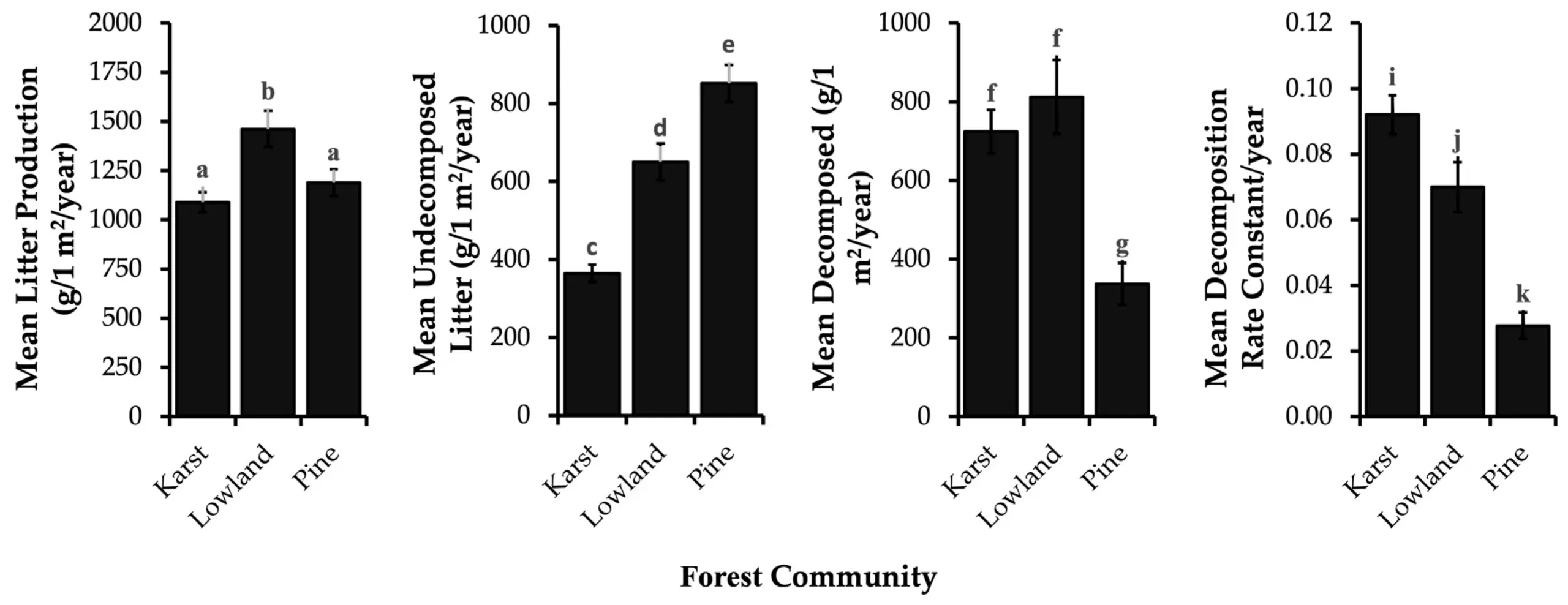
Every day, leaves fall from trees and slowly decompose on the forest floor. While this may seem like a simple natural process, it is actually one of the most important mechanisms that keeps ecosystems functioning. As leaves break down, they return essential nutrients such as carbon and nitrogen to the soil, supporting new plant growth and sustaining countless organisms. But not all leaves decompose at the same rate, and not all forests recycle nutrients equally.

Description
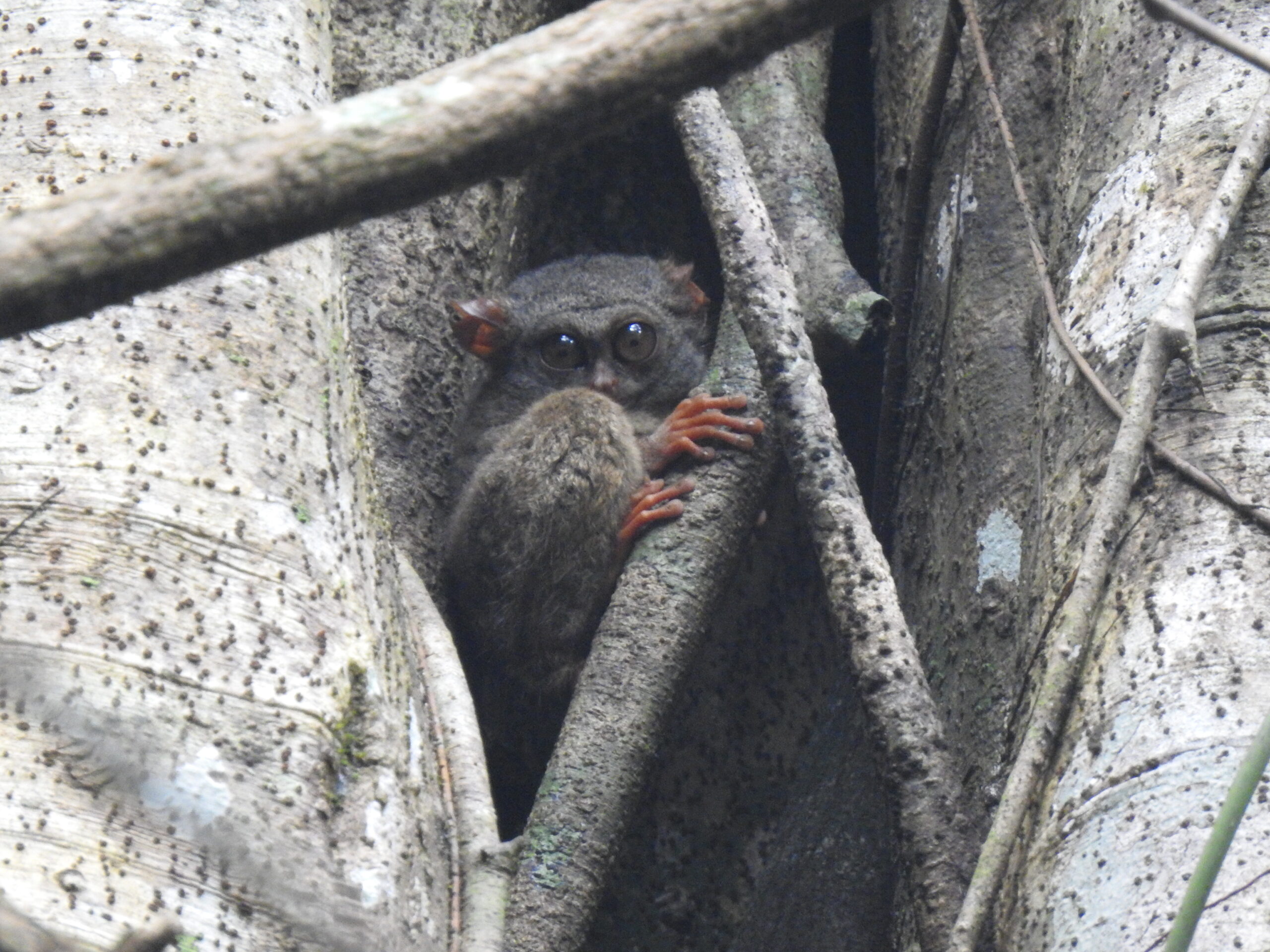
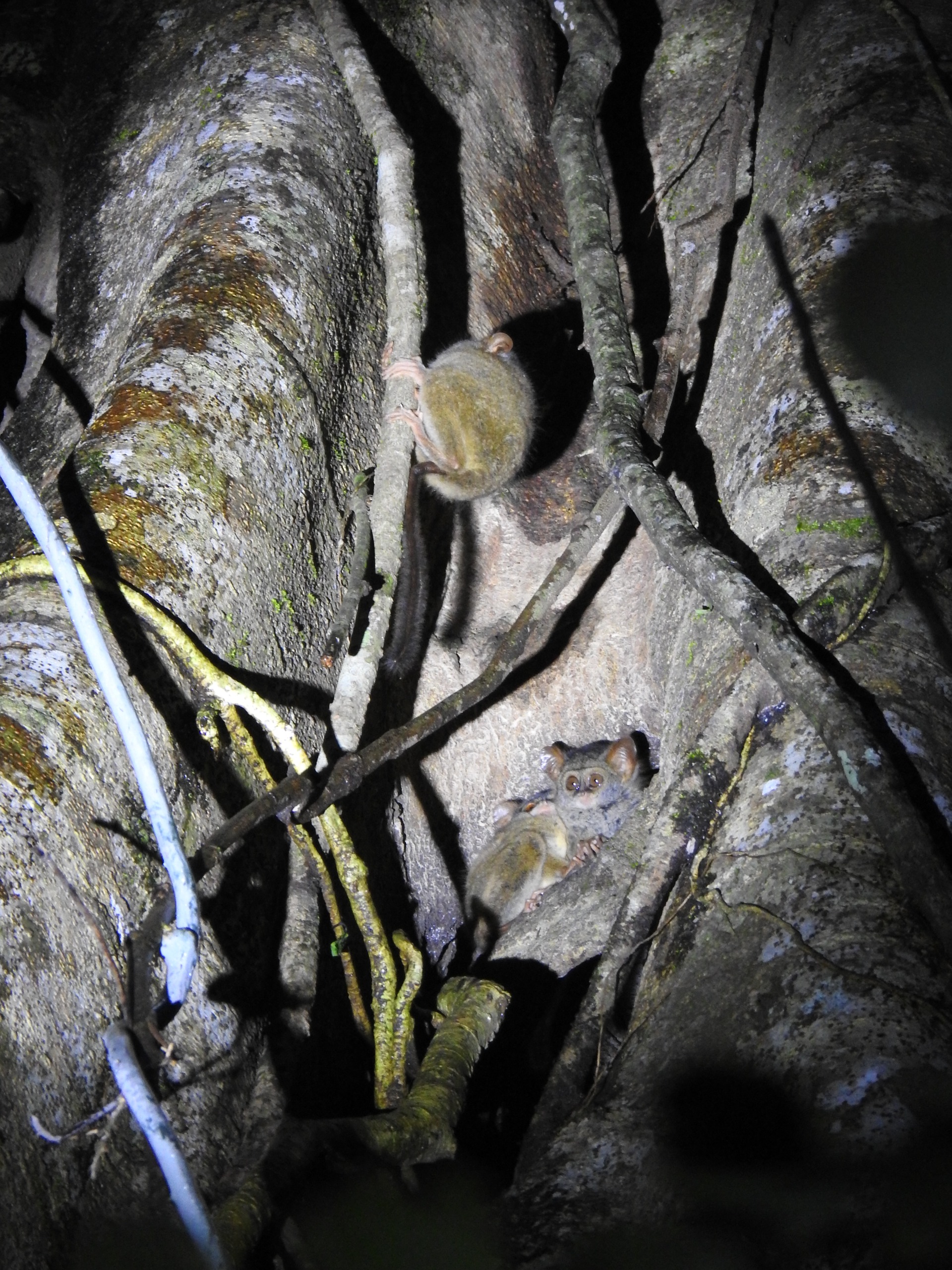
Every evening, as daylight fades over the forest, Sulawesi tarsiers emerge from their hidden daytime shelters to begin another night of foraging. While much remains unknown about these elusive primates, understanding where they spend the day is a fundamental step toward protecting their populations. Following previous research on tarsier sleeping-site selection, a team from the Forest Conservation Study Program, Faculty of Forestry, Hasanuddin University, conducted a field expedition to locate, document, and monitor potential sleeping sites within the Hasanuddin University Teaching Forest in Maros.

Description
Tarsius fuscus is an endemic nocturnal primate to Sulawesi that has important ecological value in maintaining ecosystem balance through its role as a control of insect populations. However, scientific knowledge regarding the sleeping site selection strategy of this species is still very limited, especially in the context of the Wallacea ecosystem with its unique ecological characteristics. This study aims to identify the main ecological factors influencing T. fuscus's sleeping site selection in the Hasanuddin University Educational Forest, Maros Regency, South Sulawesi. This study was conducted using a behavioral ecology approach and spatial analysis.

Description
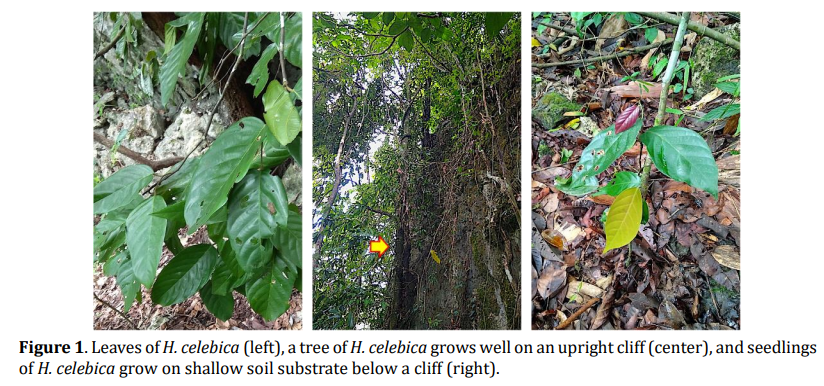
For years, the forests of South Sulawesi quietly lost one of their most valuable trees: Hopea celebica. Known locally for its incredibly strong and durable wood, this endemic species became a prime target for illegal logging. Its timber was widely used for traditional stilt houses, tools, and even infrastructure. But today, something surprising has happened—illegal logging of this species has almost completely stopped.

Description
Mining may fuel economic growth, but it often leaves behind landscapes that are severely damaged and difficult to restore. In Indonesia, open-pit nickel mining strips away fertile soil, disrupts ecosystems, and exposes land to toxic metals. The big question is: can these lands truly recover?

Description
Mangoes are more than just a sweet tropical fruit. For many communities, they represent culture, seasonal rhythms, and economic stability. However, recent scientific findings show that climate change is quietly disrupting the natural cycle of mango trees, creating uncertainty for farmers and consumers alike. Traditionally, mango trees follow a predictable pattern known as phenology—the timing of flowering, fruiting, and harvesting. This cycle depends heavily on environmental cues such as temperature and rainfall. But as global temperatures rise and weather patterns become more erratic, these cues are shifting. The result is a mismatch between when mango trees should produce fruit and when they actually do.