
MAKASSAR, Indonesia, February 27, 2026 /TREDIC/ – When people think about tropical forests, they often imagine lush green landscapes filled with countless plant and animal species. However, hidden within Sulawesi, Indonesia, lies a unique type of forest growing on ultrabasic (ultramafic) soils, one of the world’s most challenging environments for plant life. Despite poor nutrients and naturally high metal content, these forests have evolved into extraordinary ecosystems that support many species found nowhere else on Earth.
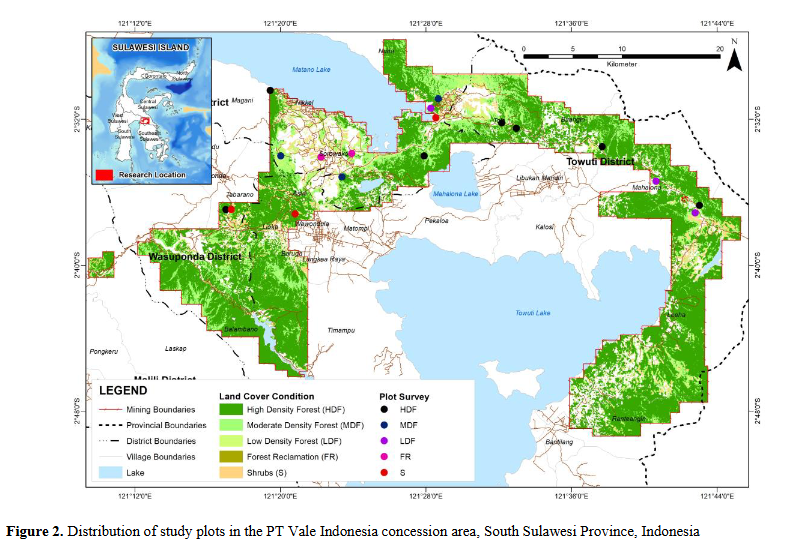
A recent scientific study revealed just how valuable these forests are. Researchers documented 143 adult tree species, including 17 species endemic to Sulawesi and 6 species classified as Endangered by the International Union for Conservation of Nature (IUCN). The findings also showed that intact high-density forests contain the richest biodiversity, while reclaimed post-mining forests and shrublands still have considerably lower species diversity. Although vegetation has returned to disturbed areas, ecological recovery remains incomplete because many native and threatened species have not yet been successfully restored.
This discovery carries an important message. Forest restoration should not simply focus on planting as many trees as possible. Instead, it should prioritize restoring the natural diversity of native species, protecting endemic plants, and rebuilding healthy forest ecosystems capable of supporting wildlife, storing carbon, and maintaining ecological balance. In other words, successful restoration means bringing back the forest’s ecological identity—not merely its green appearance. The study further emphasizes that intact forests act as biodiversity reservoirs, providing the biological resources needed to restore degraded landscapes more effectively.
The research also provides valuable insights for balancing economic development with environmental protection. Sulawesi’s ultrabasic forests occur in areas that are also rich in nickel resources, creating an ongoing challenge between mining activities and biodiversity conservation. Science-based conservation planning can help ensure that economic benefits do not come at the expense of irreplaceable natural heritage. Protecting remaining high-quality forests while improving ecological restoration in post-mining landscapes offers a practical pathway toward sustainable development.
These findings strongly support several United Nations Sustainable Development Goals (SDGs). First, SDG 15: Life on Land highlights the importance of conserving terrestrial ecosystems, protecting biodiversity, and preventing species extinction. Second, SDG 13: Climate Action is supported because healthy forests store carbon, regulate local climates, and strengthen ecosystem resilience against climate change. Third, SDG 12: Responsible Consumption and Production encourages sustainable management of natural resources, including environmentally responsible mining and land restoration practices.
Ultimately, Sulawesi’s ultrabasic forests remind us that biodiversity is not simply a collection of species—it is the foundation of resilient ecosystems and human well-being. Protecting these remarkable forests today means preserving irreplaceable genetic resources, strengthening ecological resilience, and ensuring that future generations inherit landscapes capable of sustaining both nature and society.
Reference :
DOI: 10.13057/asianjfor/r100102
Contact:
Nasri
nasri@unhas.ac.id