


MAKASSAR, Indonesia May 12 2026 /TERMITE/- Forests are often admired for their tall trees, fresh air, and rich biodiversity. However, beneath fallen branches and decaying wood, there is another important world that many people rarely notice: fungi. Although fungi are commonly associated with mold or food spoilage, they actually play essential roles in maintaining healthy forest ecosystems. Without fungi, forests would struggle to recycle nutrients and sustain plant growth.
The importance of wood fungi was explored in the scientific article “Isolasi Dan Identifikasi Jamur Kayu Dari Hutan Pendidikan Dan Latihan Tabo-Tabo Kecamatan Bungoro Kabupaten Pangkep”, published in Jurnal Perennial by Jurnal Perennial in 2007. The study focused on isolating and identifying wood-decaying fungi found in the Tabo-Tabo Education and Training Forest located in Bungoro District, Pangkep Regency, Indonesia.
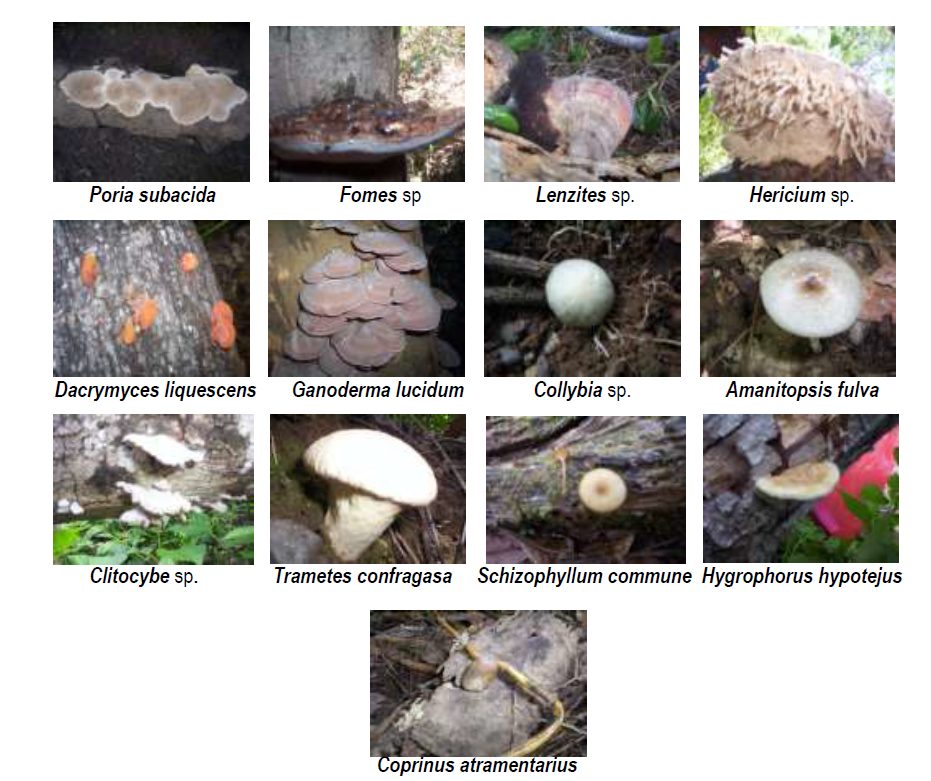
Through laboratory isolation and identification methods, researchers discovered several types of fungi growing on decaying wood within the forest area. These fungi are important decomposers that break down dead wood and organic material into smaller nutrients that can be returned to the soil. This natural process supports soil fertility and helps maintain ecological balance in forest ecosystems.
This study is strongly related to SDG 15: Life on Land, one of the Sustainable Development Goals established by the United Nations. SDG 15 focuses on protecting terrestrial ecosystems, conserving biodiversity, and promoting sustainable forest management. Fungi may be small and often overlooked, but they are critical components of biodiversity and ecosystem sustainability.
Many people think decaying wood is useless. In reality, fallen logs and dead trees provide habitats for fungi, insects, microorganisms, and other organisms that support nutrient cycling in forests. Wood-decaying fungi help transform dead organic material into nutrients that plants can absorb again. Without these fungi, forests would accumulate large amounts of undecomposed material, disrupting ecosystem balance.
The findings from this study also demonstrate the importance of educational forests as research and conservation centers. The Tabo-Tabo Education and Training Forest provides opportunities for scientists and students to study biodiversity directly in natural environments. Such research helps increase scientific knowledge while encouraging environmental awareness among the public.
In addition, understanding fungal diversity can provide practical benefits beyond ecology. Some fungi contain compounds with potential applications in medicine, biotechnology, and sustainable industries. By studying fungal species in tropical forests, researchers may discover valuable biological resources that can contribute to future scientific innovation.
The publication of “Isolasi Dan Identifikasi Jamur Kayu Dari Hutan Pendidikan Dan Latihan Tabo-Tabo Kecamatan Bungoro Kabupaten Pangkep” reminds us that biodiversity is not only about visible plants and animals. Hidden organisms such as fungi also play fundamental roles in supporting life on Earth.
Ultimately, protecting forests means protecting all living organisms within them, including fungi that quietly work beneath the forest floor. Through scientific research, environmental education, and sustainable conservation efforts, society can better understand the importance of forest biodiversity and continue contributing to the mission of SDG 15: Life on Land.
Contact:
Prof. Dr. Ir. Astuti Arif, S.Hut., M.Si., IPU.
+62 811-442-171
astuti_arif@unhas.ac.id


