


MAKASSAR, Indonesia May 11 2026 /TERMITE/- Forests are often called the lungs of the Earth, but they are also giant natural laboratories filled with countless chemical compounds that scientists are only beginning to understand. Many trees produce special substances known as secondary metabolites, natural compounds that help plants survive against insects, fungi, bacteria, and environmental stress. These compounds are increasingly attracting scientific attention because they may provide sustainable solutions for medicine, agriculture, and environmentally friendly industries.
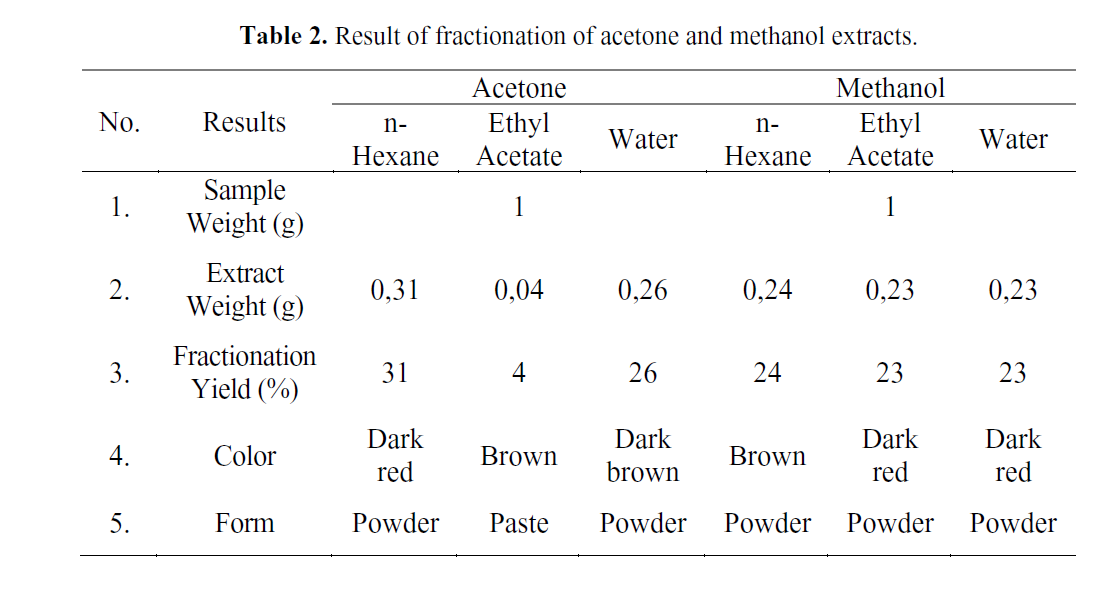
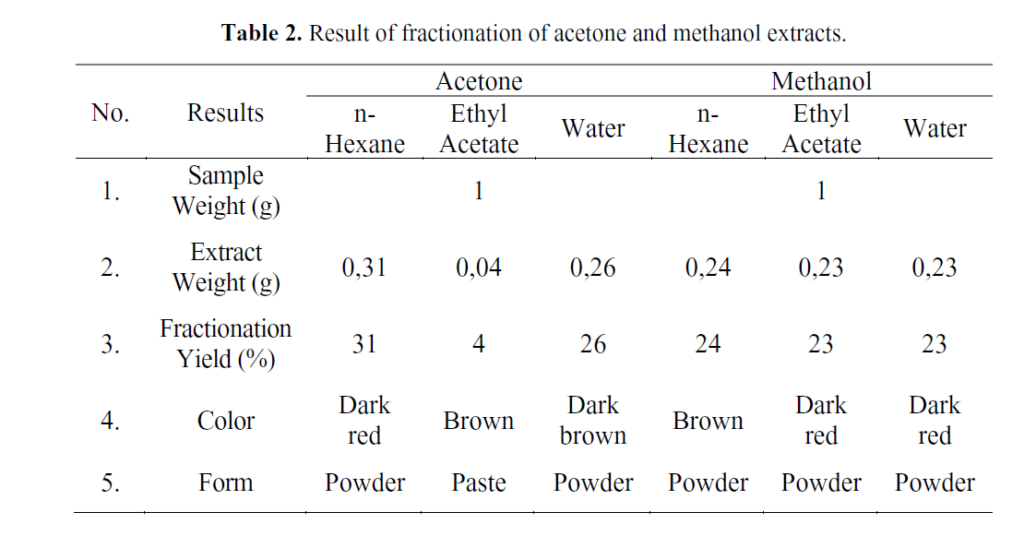
One interesting example comes from Simpur wood (Dillenia sp.). Its potential was explored in the scientific article titled “Secondary Metabolites Characteristics and Their Effect on Biological Performance of Simpur Wood (Dillenia sp.)”, published in the Proceedings of the International Conference on Science, Technology and Social Sciences – Biology Track (ICONSTAS-BIO 2023) during ICONSTAS-BIO 2023 in 2023. The study investigated the characteristics of secondary metabolites found in Simpur wood and how these compounds influence biological performance.
The research revealed that Simpur wood contains important natural compounds that may help protect the wood from biological attacks such as fungi and insects. These compounds function as part of the tree’s natural defense system, allowing the plant to survive in challenging tropical environments. Scientists believe that understanding these natural protective mechanisms can open opportunities for developing safer and more sustainable wood preservation technologies.
This study is closely connected to SDG 15: Life on Land, one of the Sustainable Development Goals established by the United Nations. SDG 15 focuses on protecting terrestrial ecosystems, conserving biodiversity, and promoting the sustainable use of forest resources. Research on natural compounds from forest plants highlights the importance of biodiversity conservation because many valuable biological resources remain undiscovered within tropical forests.
Traditionally, wood preservation has often relied on synthetic chemicals to protect materials from termites, fungi, and decay. However, excessive chemical use can create environmental pollution and negatively affect ecosystems. Natural compounds from plants such as Simpur wood may offer more environmentally friendly alternatives that support sustainable forest product management.
The findings also demonstrate how science can help society better understand the hidden value of forest biodiversity. Trees are not only sources of timber; they also contain unique chemical compounds with potential applications in many fields, including bio-based industries, pharmaceuticals, and sustainable materials.
In addition, the research encourages greater appreciation for local plant species that are often overlooked. Many tropical plants possess biological properties that could become important resources for future innovations. Without proper conservation efforts, these species and their scientific potential could be lost due to deforestation and habitat destruction.
The study further highlights the importance of collaboration between researchers, academic institutions, and environmental stakeholders. Through scientific research and sustainable resource management, forest biodiversity can continue to support both ecological balance and human development.
Scientific publications such as “Secondary Metabolites Characteristics and Their Effect on Biological Performance of Simpur Wood (Dillenia sp.)” remind us that nature already provides many solutions to environmental and industrial challenges. By exploring and protecting biodiversity responsibly, society can develop innovations that are both effective and sustainable.
Ultimately, this research is not only about wood chemistry. It is also about protecting biodiversity, promoting sustainable innovation, and supporting the global mission of SDG 15: Life on Land for future generations.
Article Metadata
Article Title : Secondary Metabolites Characteristics and Their Effect on Biological Performance of Simpur Wood (Dillenia sp.)
Journal/Conference Proceeding : Proceedings of the International Conference on Science, Technology and Social Sciences – Biology Track (ICONSTAS-BIO 2023
Conference/Event: ICONSTAS-BIO 2023
Publication Year: 2023
Related SDG : SDG 15 – Life on Land
Reference:
doi:10.1088/1755-1315/1277/1/012029
Contact:
Prof. Dr. Ir. Astuti Arif, S.Hut., M.Si., IPU.
+62 811-442-171
astuti_arif@unhas.ac.id


