

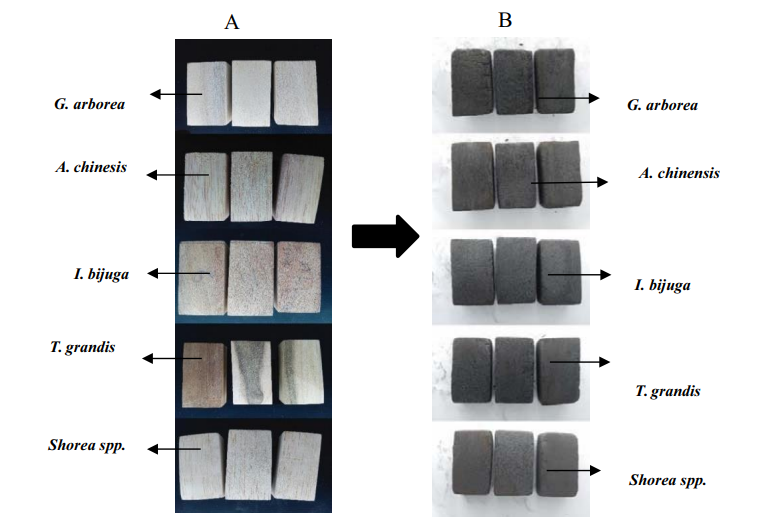

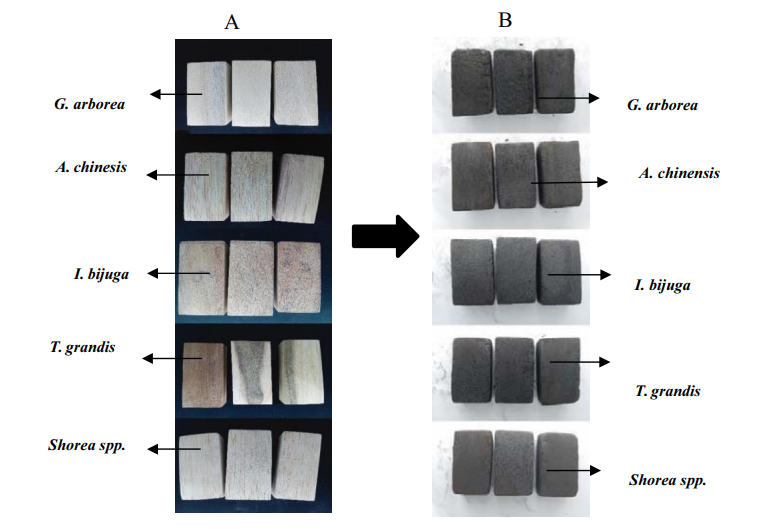
MAKASSAR, Indonesia May 11 2026 /TERMITE/- Wood has long been one of the most important natural materials used by humans. From traditional houses and furniture to bridges and boats, wood plays a major role in daily life, especially in tropical countries like Indonesia. However, wood also faces constant threats from biological organisms such as fungi, termites, and bacteria. Among these organisms, Schizophyllum commune is one of the fungi known to cause wood decay and structural deterioration. If left untreated, fungal attacks can reduce wood quality, shorten its lifespan, and increase economic losses.This important issue was discussed in the scientific article titled “Surface Burning Effectiveness of Five Commercial Wood Species in Makassar Against Schizophyllum commune Fr.”, published in the 3rd Biennial Conference of Tropical Biodiversity by IOP Publishing in 2023. The study explored how surface burning techniques could help protect several commercial wood species from fungal attacks.
Surface burning is a traditional wood treatment method where the outer layer of wood is lightly burned to improve its resistance against biological damage. Although the method may appear simple, the research revealed promising results. The burned wood surfaces showed improved resistance to fungal growth, including against Schizophyllum commune. This suggests that traditional treatment methods may still have valuable applications in modern wood preservation.
The findings from this research are closely related to SDG 12: Responsible Consumption and Production, one of the Sustainable Development Goals established by the United Nations. SDG 12 promotes sustainable resource management, environmentally friendly production methods, and reduced waste generation. By using natural or low-chemical preservation techniques, society can reduce dependence on harmful synthetic wood preservatives that may negatively impact the environment.
Modern wood preservation often relies heavily on chemical treatments. While effective, some chemicals can create environmental pollution and pose health risks if not properly managed. Surface burning offers an alternative approach that is simpler, more natural, and potentially more sustainable. In addition, this method may help extend the lifespan of wood products, reducing the need for excessive logging and supporting forest conservation efforts.
The study also highlights how traditional knowledge and scientific research can complement each other. For generations, many local communities have used fire-based treatments to strengthen and preserve wood materials. Through scientific evaluation, researchers can better understand the effectiveness of these methods and improve them for wider applications.
Beyond its practical benefits, the research encourages greater awareness about sustainable material use. In tropical regions where humidity levels are high, fungal attacks on wood are common. Finding environmentally friendly ways to protect wood becomes increasingly important, especially as global demand for sustainable construction materials continues to rise.
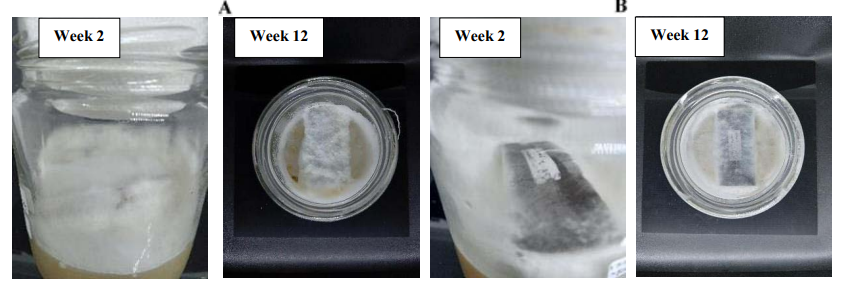
Scientific publications such as “Surface Burning Effectiveness of Five Commercial Wood Species in Makassar Against Schizophyllum commune Fr.” demonstrate that innovation does not always require advanced technology. Sometimes, traditional practices combined with scientific understanding can offer effective and sustainable solutions to modern challenges.
Ultimately, this research is not only about protecting wood from fungi. It is also about promoting smarter resource use, preserving environmental quality, and supporting the global mission of SDG 12: Responsible Consumption and Production for a more sustainable future.
Article Metadata
Article Title : Surface Burning Effectiveness of Five Commercial Wood Species in Makassar Against Schizophyllum commune Fr
Journal/Conference Proceeding : 3rd Biennial Conference of Tropical Biodiversity
Publisher : IOP Publishing
Publication Year: 2023
Related SDG : SDG 12 – Responsible Consumption and Production
Reference:
doi:10.1088/1755-1315/1277/1/012029
Contact:
Prof. Dr. Ir. Astuti Arif, S.Hut., M.Si., IPU.
+62 811-442-171
astuti_arif@unhas.ac.id


