

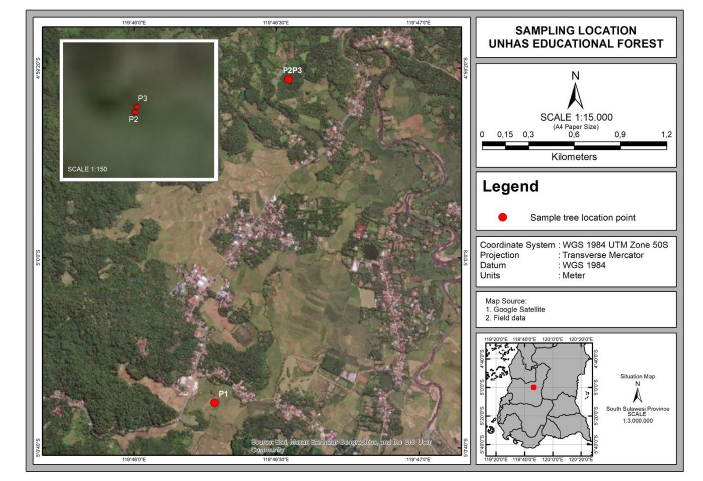

MAKASSAR, Indonesia May 11 2026 /TERMITE/- Forests are not only home to trees and wildlife; they are also natural pharmacies filled with plants that contain valuable medicinal compounds. For centuries, people have used forest plants for traditional medicine, food preservation, and health treatments. Today, modern science continues to uncover the hidden potential of these natural resources. One promising example comes from the bark of Cinnamomum iners, a plant related to cinnamon, which has shown antifungal activity against harmful fungi. This potential was explored in the scientific article titled “Antifungal Activity of Cinnamomum iners Bark Extract Against Schizophyllum commune”, published in The First Forest and Society International Conference 2024 by IOP Publishing in 2024. The study investigated how bark extracts from Cinnamomum iners could inhibit the growth of Schizophyllum commune, a fungus commonly found in tropical environments and known to cause wood decay and other biological problems.
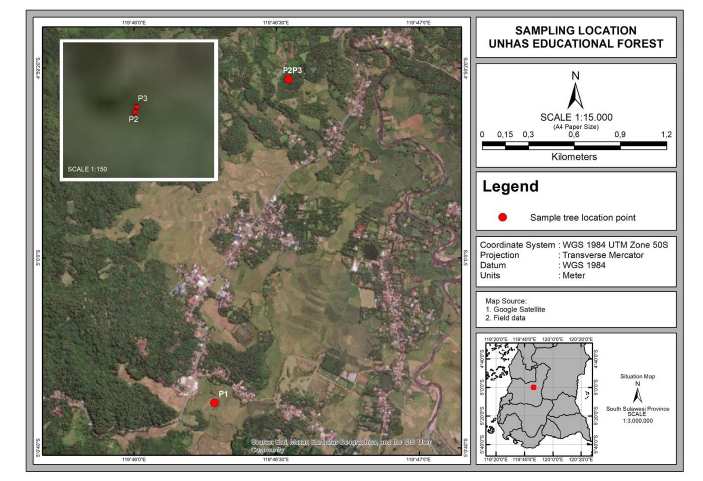
The findings revealed that the bark extract demonstrated significant antifungal properties. This means that natural compounds from Cinnamomum iners may have the potential to become environmentally friendly alternatives to synthetic chemical antifungal agents. Such discoveries are important because excessive use of synthetic chemicals can negatively impact ecosystems, human health, and biodiversity.
This research is closely related to SDG 3: Good Health and Well-Being, one of the Sustainable Development Goals established by the United Nations. SDG 3 promotes healthier lives, disease prevention, and improved well-being for all. Natural antifungal compounds derived from plants may contribute to safer biological control methods and reduce dependence on harmful synthetic substances.
In recent years, interest in natural-based medicine and environmentally friendly products has increased globally. Many researchers are now exploring forest plants as potential sources of antimicrobial and antifungal compounds. Studies like this highlight the importance of biodiversity conservation because many valuable medicinal resources still remain hidden within tropical forests.
Beyond health benefits, this research also supports environmental sustainability. Using plant-based antifungal compounds can reduce chemical pollution and encourage sustainable resource utilization. This approach aligns with the growing global movement toward green technology and eco-friendly innovation.
The study also reminds us that traditional knowledge and modern science can work together. Local communities have long used plants from forests for medicinal purposes, but scientific research helps validate and expand this knowledge for broader applications. By combining traditional wisdom with scientific evidence, society can develop safer and more sustainable solutions for health and environmental challenges.
Furthermore, protecting forest biodiversity becomes increasingly important because the loss of plant species may also mean losing future medical discoveries. Every plant in the forest could potentially contain compounds useful for medicine, agriculture, or environmental protection.
Scientific publications such as “Antifungal Activity of Cinnamomum iners Bark Extract Against Schizophyllum commune” demonstrate how forest research can contribute to both science and society. Through continued research, innovation, and conservation efforts, natural resources can support healthier communities and a more sustainable future.
Ultimately, this study is not only about fungi or plant extracts. It is also about how nature itself may hold solutions to global health challenges while supporting the mission of SDG 3: Good Health and Well-Being.
Article Metadata
Article Title: Antifungal Activity of Cinnamomum iners Bark Extract Against Schizophyllum commune
Journal/Conference Proceeding: The First Forest and Society International Conference 2024
Publisher: IOP Publishing
Publication Year: 2024
Related SDG: SDG 3 – Good Health and Well-Being
Reference:
doi:10.1088/1755-1315/1445/1/012038
Contact:
Prof. Dr. Ir. Astuti Arif, S.Hut., M.Si., IPU.
+62 811-442-171
astuti_arif@unhas.ac.id


