
The aquaculture sector plays a pivotal role in strengthening regional food security and fostering rural economic resilience across Indonesia. However, freshwater fish farmers frequently encounter severe operational hurdles, primarily driven by the escalating costs of commercial fish feed, which can swallow up to 70% of total production expenses. To address this structural challenge and enhance rural livelihoods, an impactful community empowerment initiative titled Pemberdayaan Pembudidaya Ikan Nila Melalui Pelatihan Pakan Mandiri Berbasis Bahan Lokal di Kabupaten Gowa was successfully executed from 29 August 2025 – 6 October 2025.
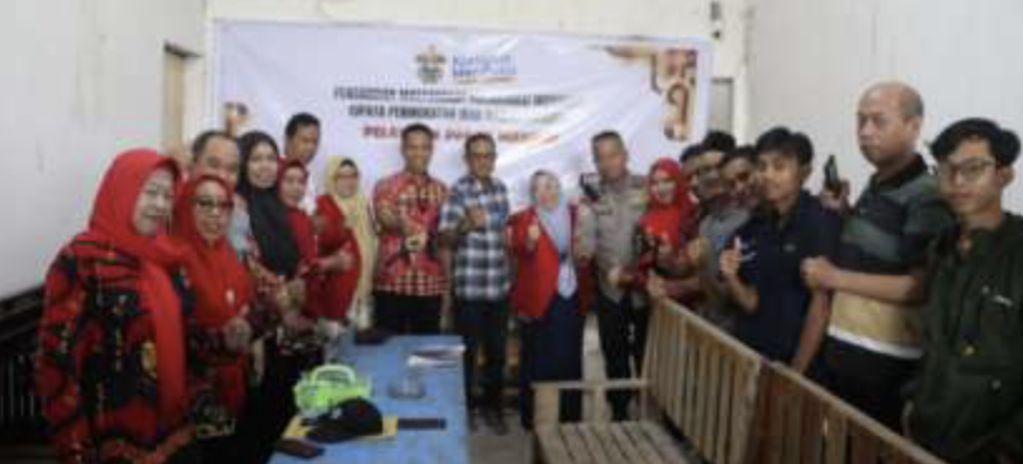
The primary objective of this extension program was to build capacity and technical self-reliance among freshwater tilapia farmers, enabling them to formulate and manufacture high-quality, cost-effective fish feed using locally available organic raw materials. The activity took place at UPR Kampung Tengah, Kabupaten Gowa, a strategic hub for local freshwater aquaculture development in South Sulawesi. A total of 25 participants, comprising local fish farmers, community leaders, and regional extension officers, actively engaged in this intensive training series.
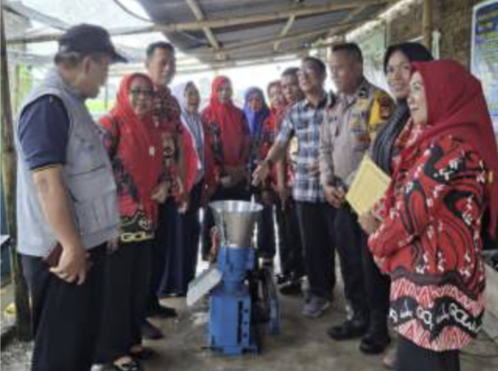
Throughout the program, participants underwent comprehensive theoretical and practical training modules. The curriculum covered essential aspects of tilapia nutritional requirements, the calculation of balanced feed formulations using local agricultural by-products—such as fine rice bran, fish meal, and snail meal—and hands-on operation of feed pelleting machinery. By transforming underutilized local biological resources into nutrient-dense fish feed, the program dramatically reduces reliance on expensive commercial feed, thereby cutting production costs by up to 40% and directly improving the financial sustainability of local farming households.
This community engagement initiative aligns directly with several key United Nations Sustainable Development Goals. By lowering operational expenses and boosting the profit margins of small-scale aquaculture producers, the program actively contributes to SDG 1: No Poverty, creating a more secure economic foundation for rural families. Furthermore, the capacity-building framework and structured skill-transfer workshops embody the core principles of SDG 4: Quality Education, providing lifelong learning opportunities and practical technical education tailored to the needs of local primary producers. Finally, the initiative exemplifies SDG 17: Partnerships for the Goals, demonstrating how collaborative synergy between academic institutions, local government agencies, and grassroots farming communities can drive sustainable rural development and technological innovation.
Through this holistic intervention at UPR Kampung Tengah, Kabupaten Gowa, local tilapia farmers have transitioned from passive consumers of commercial inputs to self-reliant producers of sustainable feed. The long-term impact of this project extends beyond immediate cost savings; it establishes a scalable model for community-based aquaculture management that harmonizes economic prosperity, educational empowerment, and environmental responsibility.