

Desa Bontosungguh, Kecamatan Bontoharu, Kabupaten Kepulauan Selayar — Coastal communities play a crucial role in safeguarding marine biodiversity while driving local economic productivity. To strengthen the synergy between ecological conservation and sustainable livelihoods, an academic community engagement team carried out a comprehensive capacity-building program in South Sulawesi. The initiative, titled Pemberdayaan Kelompok Usaha Perikanan Pesisir Berbasis Ekosistem Mangrove Melalui Penguatan Nilai Tambah dan Tata Kelola Keuangan di Desa Bontosungguh, Kecamatan Bontoharu, Kabupaten Kepulauan Selayar, was successfully conducted on June 13, 2026, in Desa Bontosungguh, Kecamatan Bontoharu, Kabupaten Kepulauan Selayar. The primary objective of this program was threefold: enhancing community understanding of mangrove ecosystems in supporting fishery productivity, boosting the added value of fishery products through institutional development and group business opportunities, and improving financial governance through simple bookkeeping, cash flow recording, and cost-revenue calculations.
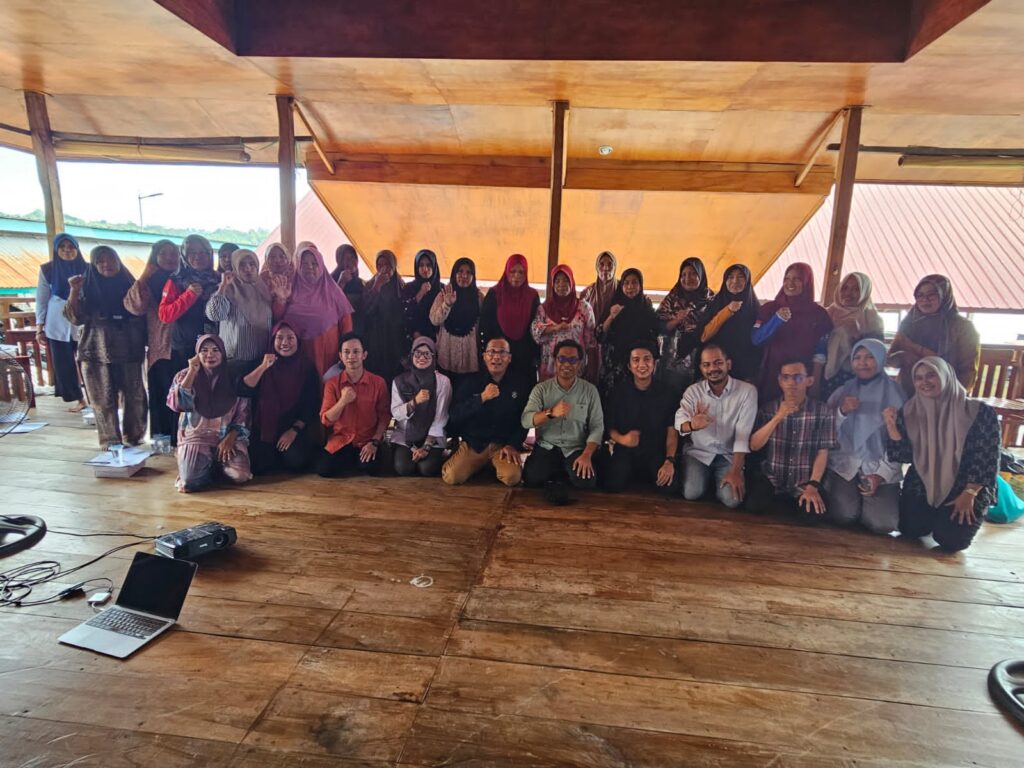
Bringing together 32 participants, including local fishers, coastal business group members, and community leaders, the interactive program addressed key ecological and managerial challenges. Coastal fisheries often face double vulnerabilities: environmental degradation affecting catches and limited financial literacy that hinders long-term business scaling. Through structured workshops, hands-on tutorials, and field discussions, the team emphasized how healthy mangrove forests serve as natural breeding grounds that directly sustain fish stocks. Furthermore, facilitators introduced practical strategies for processing raw fishery products to increase market value, alongside foundational financial management tools—such as ledger keeping, profit-and-loss tracking, and operational cost estimation—ensuring local enterprise durability.
By integrating ecological management with financial literacy, this initiative directly contributes to several United Nations Sustainable Development Goals, specifically SDG 1: No Poverty, SDG 4: Quality Education, SDG 14: Life Below Water, and SDG 17: Partnerships for the Goals. The project supports SDG 1: No Poverty by improving income generation potential through value-added processing and structured financial recording, helping coastal families build economic resilience. The training advances SDG 4: Quality Education by delivering inclusive, practical adult education and environmental literacy tailored to local communities. In addition, the initiative actively promotes SDG 14: Life Below Water by fostering community-led stewardship of mangrove habitats to preserve marine ecosystems and maintain sustainable fishery yields. Finally, the activity exemplifies SDG 17: Partnerships for the Goals by connecting academic researchers, local government units, and community business groups to achieve sustainable coastal development.
The active participation of local fishers highlighted a strong community commitment toward blending environmental preservation with financial discipline. Attendees gained immediate skills in tracking business expenditures, organizing group structures, and recognizing the direct economic benefits of mangrove protection. Moving forward, the outcomes of this activity provide a solid empirical framework for future community development projects, demonstrating how academic expertise can empower coastal populations to achieve sustainable economic independence while preserving vital marine environments across Kepulauan Selayar Regency.