

Description
MAKASSAR, Indonesia Aug 18 2026 /SMes/ — Building mega-infrastructure like highways, bridges, and ports is essential for connecting communities and driving economic development. However, these massive projects often feel like navigating a high-stakes obstacle course where unforeseen traps threaten to drain budgets. In fact, global studies reveal that roughly 90% of infrastructure projects suffer from budget overruns, exceeding their initial costs by an average of 28%. To prevent public and private funds from vanishing into thin air, understanding which financial risks pose the greatest threat is critical.
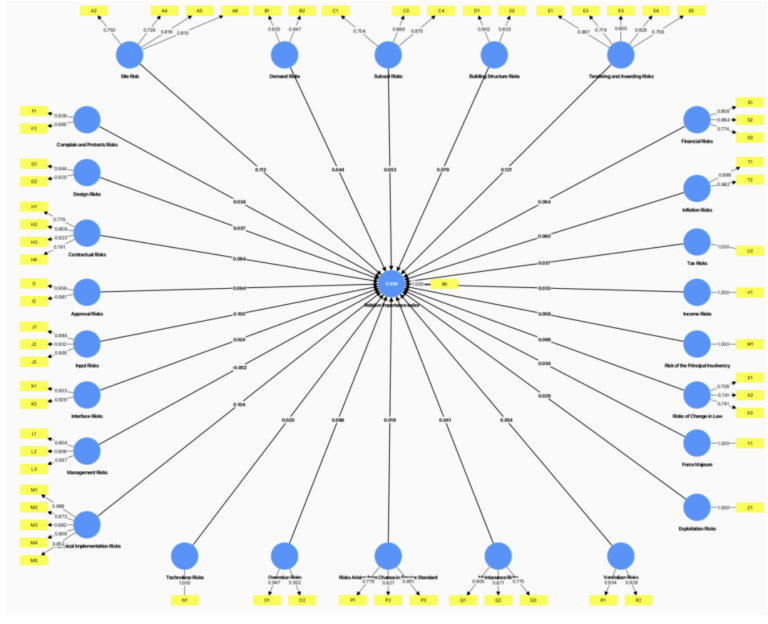
A study titled "Risk Management on Infrastructure Projects and Their Impact on Project Financials", published in the Journal of Ecohumanism (Volume 4, No. 2, 2025) by Transnational Press London, provides key insights into how construction risks directly affect project budgets in Indonesia. Authored by researchers Oktavianus Sitanggang, Syamsul Alam, Arifuddin, and Andi Aswan, the paper analyzes 26 distinct risk categories using a survey of experienced construction practitioners, contractors, and public sector engineers.
The research findings reveal that not all risks are created equal. Out of 26 categories evaluated, 16 risks significantly drive up project budgets. Topping the list as the single most dangerous threat is the risk of principal insolvency. When a key project partner or main contractor goes bankrupt, operations freeze, requiring costly replacements and expensive schedule accelerations. Other heavy hitters include raw material price spikes, inflation, fuel fluctuations, and complex subsoil conditions that demand costly engineering workarounds. On the flip side, seven categories—including public protests, minor structural issues, and vandalism—were found to have no significant impact on overall costs. Why? Strong contractual safeguards, precise technical standards, clear adjustment clauses, and state-backed guarantees effectively cushion projects against these specific disruptions.
These insights connect directly to SDG 9: Industry, Innovation, and Infrastructure, specifically Target 9.1, which focuses on developing quality, reliable, sustainable, and resilient infrastructure to support economic development and human well-being. By implementing standardized, transparent risk management frameworks, construction leaders can safeguard public investments, eliminate wasteful budget overruns, and deliver reliable facilities that strengthen society's foundation.
Ultimately, building resilient infrastructure requires more than just concrete and steel. It demands smart financial foresight, standardized risk monitoring, and proactive contract planning to ensure that vital development projects reach completion without breaking the bank.
Reference:
Prof. Dr. Syamsu Alam, SE., M.Si
+62 8123227595
syamsu.alam@unhas.ac.id
Description
MAKASSAR, Indonesia Aug 18 2026 /SMes/ —
When small businesses seek loans to expand inventory or keep daily operations running smoothly, local institutions known as Regional Development Banks (RDBs) serve as vital financial lifelines. However, these banks operate within distinct provincial boundaries, making their lending behavior heavily dependent on subnational fiscal dynamics and local governance structures.
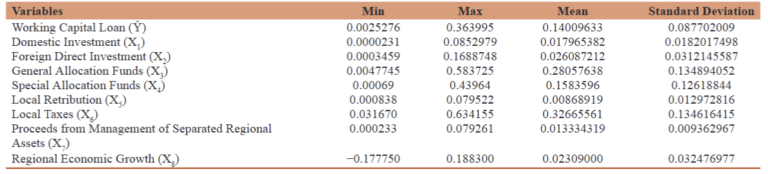
A study published in the International Journal of Economics and Financial Issues on October 13, 2025, titled "Regional Investment, Fiscal Transfers, and Local Revenues: An Analysis of Working Capital Lending by Regional Development Banks in Indonesia" by Econjournals, provides critical insights into how local public finance shapes bank lending to businesses. Analyzing a panel of 180 observations across 16 Indonesian RDBs outside Java from 2013 to 2021, the researchers investigated how various macroeconomic indicators, intergovernmental central transfers, and locally generated revenues influence working capital loan disbursement.
The empirical analysis reveals a striking contrast in how regional revenue streams affect access to credit. General Allocation Funds (DAU)—unconditional fiscal transfers from the central government—exhibit a significant negative impact on working capital lending. High dependency on central transfers signals lower fiscal autonomy and weaker local management capacity, increasing the perceived risk for lenders. Conversely, proceeds generated from the management of separated regional assets show a powerful positive influence on credit disbursement. When regional governments successfully commercialize and manage public assets, it signals institutional stability, financial self-reliance, and strong local governance, giving banks greater confidence to extend loans. Furthermore, while domestic and foreign investments show positive associations with loan availability, their direct impacts remain statistically muted due to concentration in capital-intensive projects that bypass local small business supply chains.
These findings align directly with SDG 8: Decent Work and Economic Growth, particularly Target 8.10, which aims to strengthen the capacity of domestic financial institutions to encourage and expand access to banking, insurance, and financial services for all. By reducing fiscal dependency on central transfers and managing local assets productively, regional governments enhance local financial ecosystems, unlocking crucial working capital for micro, small, and medium enterprises (MSMEs) that drive job creation and inclusive growth.
Ultimately, the study published on October 13, 2025, in the International Journal of Economics and Financial Issues demonstrates that expanding regional credit access requires more than macroeconomic growth. Strengthening local fiscal autonomy and asset governance forms the core foundation for sustainable, inclusive financial development
Reference:
Andi Aswan, SE., MBA., M.Phil., DBA
+62 813-5581-5535
andiaswan@fe.unhas.ac.id
Description
MAKASSAR, Indonesia Aug 18 2026 /SMes/ — In the modern corporate world, retaining top talent is a major challenge, especially within the fast-paced financial sector. High turnover not only strains company finances through recruitment costs, but it also disrupts workplace stability and drains institutional knowledge. This phenomenon is examined thoroughly in the research article titled "Investigating the role of job satisfaction and work engagement dynamics in reducing turnover intentions among female bank employees", published in the journal Banks and Bank Systems by publisher LLC “Consulting Publishing Company “Business Perspectives” on March 21, 2025.
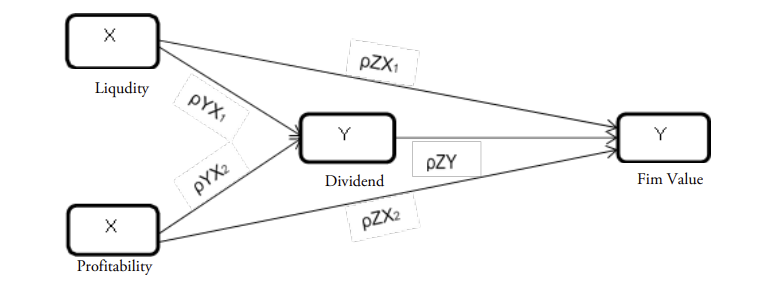
Authored by Nurdjanah Hamid, Wahda Rasyid, Andi Aswan, Insany Fitri Nurqamar, Romi Setiawan, and Rianda Ridho Hafizh Thaha, the study surveyed 200 female professionals across state-owned commercial banks in Sulawesi, Indonesia. Their findings reveal a powerful dynamic: when female employees feel genuinely satisfied with their working conditions, their professional engagement skyrockets, which in turn drastically reduces their desire to leave the organization.
At its core, the study demonstrates that job satisfaction directly fuels work engagement. Female bankers who receive supportive leadership, fair promotion pathways, and equitable compensation show higher levels of energy, dedication, and focus in their daily operations. More importantly, both job satisfaction and work engagement act as strong shields against turnover intention. When women experience a fulfilling work environment, they feel a deep sense of loyalty and are far less likely to hunt for alternative employment. This pattern is particularly strong among middle-aged and married professionals, who prioritize long-term stability to support their family’s financial well-being.
This research directly aligns with SDG 5: Gender Equality. By addressing the specific structural challenges and dual-role burdens faced by female employees, financial institutions can foster inclusive workplaces where women thrive professionally without sacrificing personal stability. Creating supportive career paths and fair work culture empowers female workers, bridges economic gaps, and ensures equal representation in key financial roles.
Ultimately, the article published on March 21, 2025, in Banks and Bank Systems emphasizes that employee retention is not merely about competitive pay. It requires building an empathetic, fair, and engaging workplace. By prioritizing female employees' well-being, banks not only protect their bottom line but also contribute significantly toward achieving SDG 5: Gender Equality in the broader global economy.
Reference:
Andi Aswan, SE., MBA., M.Phil., DBA
+62 813-5581-5535
andiaswan@fe.unhas.ac.id
Description
MAKASSAR, Indonesia Aug 18 2026 /SMes/ —
Every day, millions of people trust banks with their hard-earned money. Whether saving for a rainy day or funding a new business, we rely on the financial system to stay stable. But have you ever wondered how banks protect themselves when economic storms hit? More importantly, do Islamic (Shariah) banks and conventional banks handle financial risks the same way?
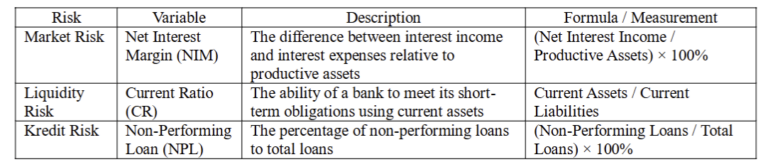
A recent study offers fascinating insights into this exact question. Titled "Comparative Analysis of Financial Risk Between Conventional and Shariah Banks: A Perspective of Market, Liquidity, and Credit Risks," this research was published on December 5, 2025, in the Journal of Studies in Academic, Humanities, Research and Innovation. The authors examined Indonesian banking data from 2020 to 2024 to see how both banking models managed three critical types of risk: market risk, liquidity risk, and credit risk.
The findings show that when it comes to market and liquidity risks, both banking systems perform quite similarly. Market risk—measured by net interest margins—and liquidity risk—measured by the ability to cover short-term debts—showed no statistically significant differences between the two. Both types of banks navigate broader economic shifts using comparable survival tactics.
However, the story changes completely when looking at credit risk—the danger of borrowers failing to pay back their loans. Here, researchers found a clear and statistically significant difference. Shariah banks experienced higher Non-Performing Loan (NPL) rates compared to conventional banks.
Why does this happen? The answer lies in the core philosophy of Islamic banking. Unlike conventional banks that charge fixed interest rates, Shariah banks operate on profit-and-loss sharing principles, such as mudharabah and musyarakah. Under these arrangements, the bank acts as a partner rather than just a lender. While this encourages fairness and ethical investing, it also ties the bank’s financial health directly to the real-world business success of its clients. If a partner’s business struggles during tough economic times, the bank immediately absorbs the impact, raising its credit risk profile.
Understanding these financial dynamics directly supports SDGs 8: Decent Work and Economic Growth—specifically by fostering strong, resilient financial institutions that can drive sustainable economic development and financial inclusion for everyone. While the original framework touches on broader sustainability, strengthening banking systems is essential to building an economic foundation where communities can thrive without fear of sudden financial collapse.
By highlighting how profit-sharing mechanisms influence credit risk, this research helps policymakers and everyday savers make better financial choices. In an unpredictable world, knowing how your bank handles risk is the first step toward a safer financial future.
Reference:
Ade Ikhlas Amal Alam, SE., MSA
+62 811-4038-309
adeikhlas@unhas.ac.id
Description
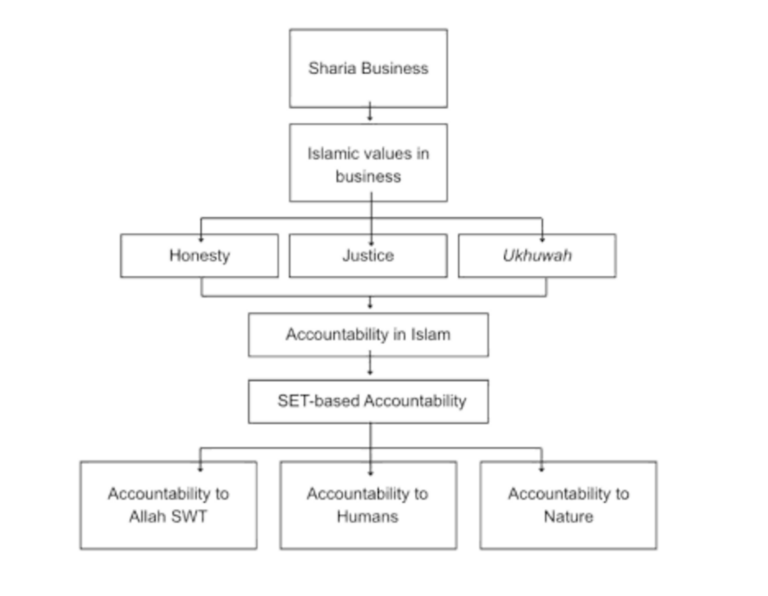
The research investigates how small and medium enterprises can operationalize Islamic ethics through Sharia Enterprise Theory (SET), using the case study of Cordova Indonesia Bookstore and Qur’an in Makassar. Unlike standard accountability frameworks centered on capital owners, Sharia Enterprise Theory establishes a triadic structure of responsibility: vertical accountability to God (the ultimate owner of all assets) and horizontal accountability to both fellow human beings and the natural environment. Under this paradigm, commercial success is measured not merely by net income, but by the generation of "sharia value-added"—a balance of material, social, and spiritual well-being for all stakeholders.
At Cordova Indonesia, this theoretical framework is translated into everyday business practices grounded in core Islamic values: honesty, justice, and ukhuwah (brotherhood). The company integrates its vertical obligation to God by providing dedicated worship times and structured spiritual development programs for employees. Horizontal accountability to humanity is demonstrated through fair wage distribution, social donations, equal employment opportunities, and direct contributions to local infrastructure, such as building Quranic learning centers. Environmental responsibility is upheld through local cleanliness initiatives and the selection of ethically sourced products.
This business model directly aligns with SDG 8: Decent Work and Economic Growth. By prioritizing employee welfare, fair wages, transparent customer transactions, and ethical trading practices, SET-based accountability fosters an inclusive work culture and promotes sustainable economic development. The findings demonstrate that embedding ethical and spiritual values into business operations does not hinder commercial performance; rather, it cultivates lasting consumer trust, enhances operational resilience, and delivers long-term economic stability.
Ultimately, the study by Alam et al. emphasizes that transparent, multi-dimensional accountability offers a viable roadmap for contemporary enterprise. By expanding responsibility beyond pure profit to encompass divine trust, human dignity, and ecological care, businesses can serve as powerful instruments for ethical progress and sustainable economic growth.
Ade Ikhlas Amal Alam, SE., MSA
+62 811-4038-309
adeikhlas@unhas.ac.id
Description
Fakhrul Indra Hermansyah, S.E., M.Sc
+62 877-8670-5626
rulindrasyah@unhas.ac.id
Description
Fakhrul Indra Hermansyah, S.E., M.Sc
+62 877-8670-5626
rulindrasyah@unhas.ac.id
Description
MAKASSAR, Indonesia Aug 07 2026 /SMEs/– In an era where corporate environmental responsibility is a top priority, a surprising economic dilemma has emerged across developing markets. Do companies that cut corners on Environmental, Social, and Governance (ESG) standards actually make more money? While international investors push for green initiatives, major enterprises in emerging economies often find that skipping expensive sustainability programs delivers an immediate boost to their short-term financial performance.
But what if reducing sustainability costs is actually driving higher profits?
A recent study explores this exact phenomenon in the paper "Does poor ESG performance still drive profitability? New evidence from Indonesia’s SRI-KEHATI listed firms", published in Investment Management and Financial Innovations by LLC “Consulting Publishing Company “Business Perspectives” on July 03, 2025. The research presents an empirical evaluation of 15 top companies listed on Indonesia’s SRI-KEHATI Index over a six-year period (2018–2023), compiling 90 firm-year observations. Using the Sustainalytics ESG Risk Rating—where higher scores denote greater unmanaged ESG risk—and Return on Assets (ROA) for financial performance, the authors discovered a statistically significant positive link between poor ESG scores and higher profitability.
At the same time, this reality highlights a major hurdle for SDG 17: Partnerships for the Goals. Achieving sustainable growth is not just an individual corporate responsibility; it relies heavily on strong policy frameworks, institutional coordination, and aligned market incentives. When financial systems award higher short-term profits to firms delaying environmental investments, voluntary corporate action falls short. Addressing this gap requires active collaboration between governments, market regulators, stock exchanges, and financial institutions to align economic gains with genuine ESG compliance.
Importantly, the findings show that green transition costs—such as adopting renewable energy, implementing advanced waste treatment, and enhancing workforce welfare—impose severe financial burdens on firms in developing nations where regulatory enforcement remains flexible. Without strict legal penalties or strong capital market incentives, companies minimizing sustainability expenses enjoy leaner operating structures and higher net income. It represents a structural challenge where market rules, regulation, and corporate strategy intersect.
The science behind this outcome is both straightforward and economic. Indonesian capital markets have not yet fully priced in long-term ESG resilience, leaving financial valuations heavily reliant on immediate accounting metrics. Furthermore, the study revealed that a firm’s Sustainable Growth Rate (SGR) strongly drives profitability, proving that internal reinvestment capability remains paramount. Conversely, capital structure and market valuation (Tobin's Q) showed no significant influence on profitability.
This innovation in market analysis strongly aligns with global calls for policy reform across emerging economies. By revealing that poor ESG management currently yields higher accounting returns, the study provides crucial evidence for regulators who must reform local capital market incentives. Regulators can better adjust policy frameworks, exchanges can enforce transparent reporting, and investors can better structure green financing.
In a broader sense, this research reflects a critical shift toward understanding structural sustainability barriers in developing nations. It translates complex market metrics into a clear call to action, emphasizing that green commitments cannot succeed on corporate goodwill alone.
Aligning economic growth with environmental responsibility is no longer just about voluntary pledges. It is about smarter regulations and market structures. And sometimes, identifying the paradox in the data is the first step toward fixing the system.
In the journey toward a sustainable global economy, rigorous research like this creates a meaningful impact—exposing structural flaws and ensuring that doing good for the planet also makes sound financial sense.
Reference:
DOI: http://dx.doi.org/10.21511/imfi.22(3).2025.02
Contact:
Fakhrul Indra Hermansyah, S.E., M.Sc
+62 877-8670-5626
rulindrasyah@unhas.ac.id
Description
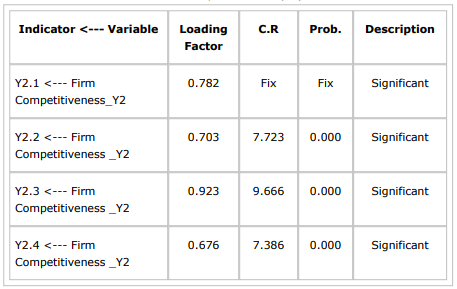
This study examines the development model of competitiveness for chicken farm SMEs in Sidrap Regency, South Sulawesi, Indonesia. It focuses on key factors such as market strategies, production efficiency, innovation, and government support. The research aims to enhance sustainability, productivity, and economic resilience in the poultry farming sector by identifying challenges and opportunities for growth
Description
This study examines the development model of competitiveness for chicken farm SMEs in Sidrap Regency, South Sulawesi, Indonesia. It focuses on key factors such as market strategies, production efficiency, innovation, and government support. The research aims to enhance sustainability, productivity, and economic resilience in the poultry farming sector by identifying challenges and opportunities for growth