
Makassar, Indonesia/May 21, 2026/PRG/This research directly supports Sustainable Development Goal 15 (Life on Land) by reconstructing past terrestrial ecosystems — including ancient forests, mangroves, and swamplands. Understanding how these ecosystems evolved over millions of years helps scientists and policymakers better protect today’s forests, peatlands, and biodiversity hotspots in the Indo-Pacific region.
Imagine finding a message in a bottle — except the bottle is a rock, and the message was written by trees and ferns that lived 40 million years ago. That is essentially what a team of geologists from Hasanuddin University in Makassar, Indonesia, managed to do. By studying microscopic grains of ancient pollen and spores trapped inside ancient rock layers in the Mallawa District of Maros Regency, South Sulawesi, they have reconstructed a vivid picture of what this region looked, smelled, and felt like during the Eocene epoch.
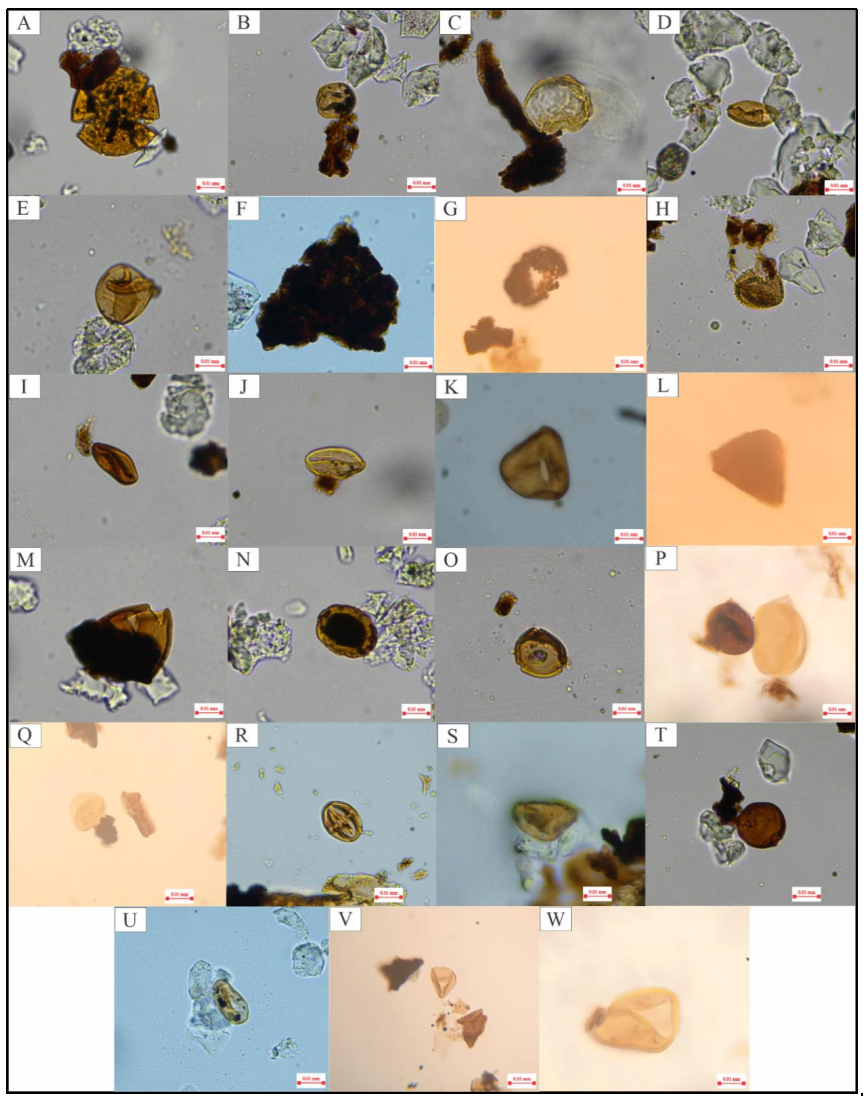
These tiny fossils — known as palynomorphs — include pollen from flowering plants, fern spores, fungal remnants, and even microscopic marine organisms called dinoflagellates. Each type tells a different story: mangrove pollen whispers of coastal swamps, fern spores hint at cool, humid forests, and dinoflagellates shout “the sea was once here!” Together, they form a detailed environmental autobiography of a land shaped by rivers, tides, and tropical vegetation.
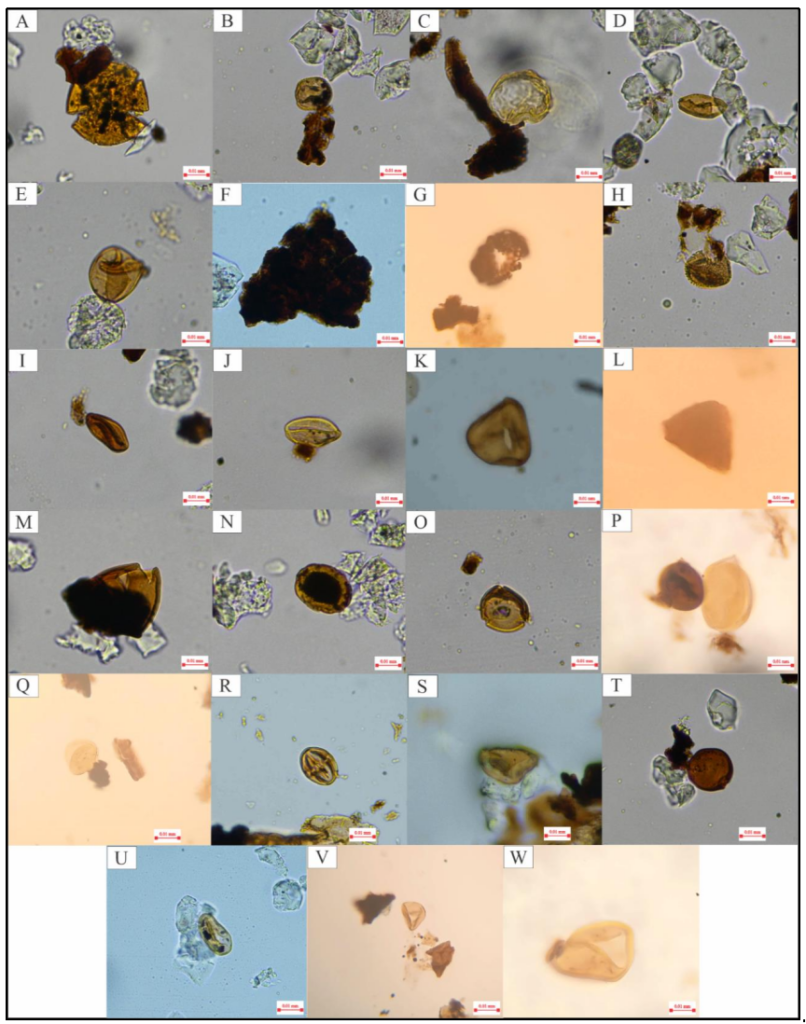
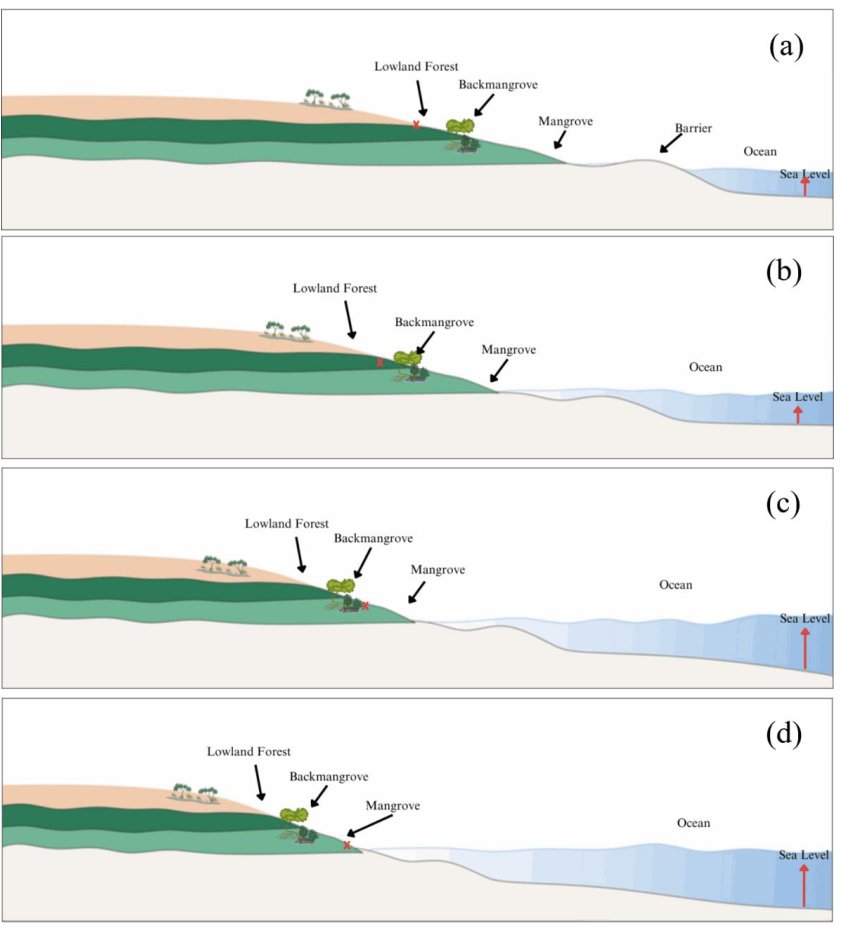
The study revealed that the Mallawa Formation — a geological unit made up of sandstone, claystone, siltstone, coal seams, and limestone — was deposited approximately 40 to 37 million years ago during the Middle to Late Eocene. The formation gradually transitioned from an upper delta plain environment (think swampy lowland forests and rivers) to a lower delta plain (think mangrove coastlines kissed by ocean tides). This matches what we see in places like the Mahakam Delta in Kalimantan today.
Researchers identified 22 pollen types and five spore species. Among the most important was Proxapertites operculatus — a pollen grain that acts like a geological clock, precisely dating the rock layers. Other species like Acrostichum aureum (a fern still thriving in coastal areas today) and Avicennia (mangrove pollen) helped the team map out four distinct ancient vegetation zones, from lush lowland rainforests to dynamic tidal mangrove belts.
Why does this matter today? Mangrove forests and peatlands — the very ecosystems these ancient pollen grains represent — are among the most carbon-rich and biodiverse environments on Earth. In Southeast Asia, they are under enormous threat from land conversion and climate change. By understanding how these ecosystems formed and what conditions sustained them over millions of years, scientists can better predict how they might respond to modern environmental pressures, and how to protect them before they are lost forever.Tiny grains of pollen, invisible to the naked eye, are proving to be powerful tools in the fight to understand — and ultimately protect — our planet’s precious terrestrial ecosystems. The rocks of Sulawesi are not just stones. They are history books, waiting to be read.
Reference:
DOI: 10.1088/1755-1315/1517/1/012003
Contact person:
Safruddim | +62 853 4258 9109 | safruddim@unhas.ac.id