MAKASSAR, Indonesia, April 28, 2026/PEDNRG/– Why does empowering families matter in solving child stunting? This study is unique because it shifts the focus from healthcare facilities to homes, placing families at the center of change. By combining health coaching with community-based support, it introduces a practical and human-centered strategy that strengthens knowledge, confidence, and long-term behavior—making stunting prevention more sustainable and impactful in real-life settings.
Stunting remains one of Indonesia’s most persistent public health challenges, affecting not only children’s physical growth but also their cognitive development and future productivity. A recent study “Optimizing the Role of the Family Assistance Team through a Health Coaching Approach to Accelerate Stunting Reduction in Pangkajene Kepulauan,” published in Jurnal Panrita Abdi on January 21, 2026, explores a new approach to tackling this issue at the community level.

The study highlights the role of the Family Assistance Team, a group consisting of midwives, community health volunteers, and family planning cadres who work directly with families at risk of stunting. In Pangkajene Kepulauan, where more than 2,000 children were identified as stunted out of over 23,000 measured, strengthening this team became essential.
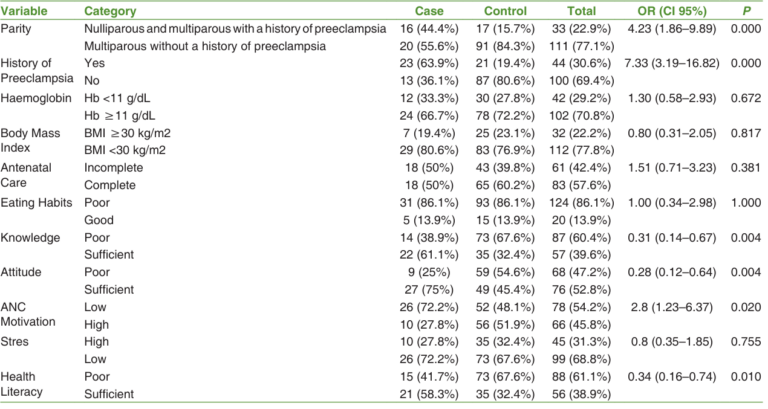
To address existing challenges, the program introduced a health coaching approach—a method that goes beyond traditional health education. Instead of simply giving instructions, health coaching encourages active participation, builds confidence, and helps families make informed decisions about nutrition and childcare. Training sessions, educational handbooks, and mentoring activities were provided to equip the Family Assistance Team members with practical skills.
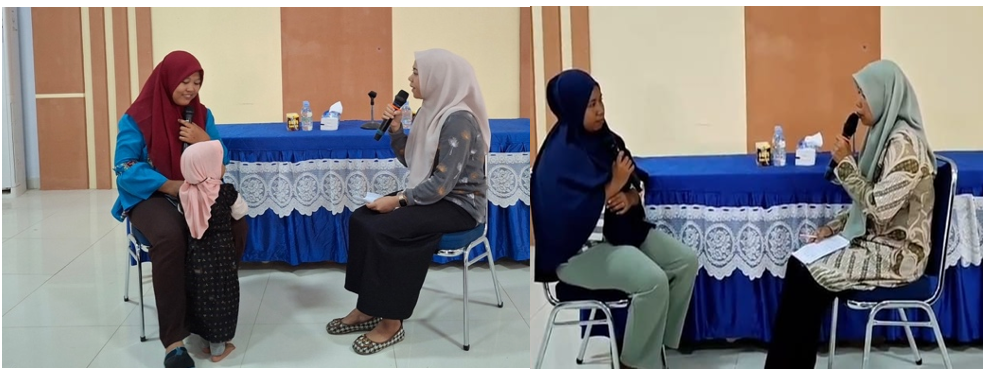
The results were remarkable. The knowledge level of the Family Assistance Team members significantly increased, with average scores rising from 78.70 before training to 94.05 afterward. More importantly, all participants reported increased confidence in assisting families, and they successfully applied their skills through home visits and direct coaching sessions.
This initiative clearly aligns with SDGs 3: Good Health and Well-being, which aims to ensure healthy lives and promote well-being for all. By empowering community-based health teams and strengthening family capacity, this approach directly contributes to reducing child malnutrition and improving maternal and child health outcomes. SDGs 2: Zero Hunger, this program strengthens family capacity to prevent malnutrition and reduce stunting through community-based health coaching.
What makes this strategy powerful is its focus on behavior change. Stunting is not caused by a single factor—it is influenced by nutrition, caregiving practices, sanitation, and knowledge. By addressing these through personalized coaching, families are not just informed but transformed. They become active participants in protecting their children’s health.
More forward, the demonstrates that solving complex health problems like stunting requires more than medical solutions—it requires human connection, empowerment, and trust. By strengthening the role of family assistance teams through health coaching, Indonesia is taking a meaningful step toward a healthier, stronger future generation.
Reference:
DOI/Link: https://journal.unhas.ac.id/index.php/panritaabdi/article/view/41962/14043
Contact:
Prof. Kadek Ayu Erika
+62 813-4212-9855
kadek20_uh@yahoo.com
kadekayu@unhas.ac.id