


MAKASSAR, Indonesia Apr 11 2026 /ODFRG/–Feeding dairy calves is more than just a routine—it is the foundation of future milk production and farmer livelihoods. Traditionally, elephant grass has been the go-to forage for Friesian Holstein calves. However, its nutritional limitations often hinder optimal growth. A recent study published in the Advances in Animal and Veterinary Sciences (ResearchersLinks, 20 January 2026), titled “Replacing Elephant Grass with Hydroponic Maize Fodder Improves Friesian Holstein Dairy Calves’ Growth Performance”, reveals how hydroponic maize fodder can revolutionize calf feeding practices.
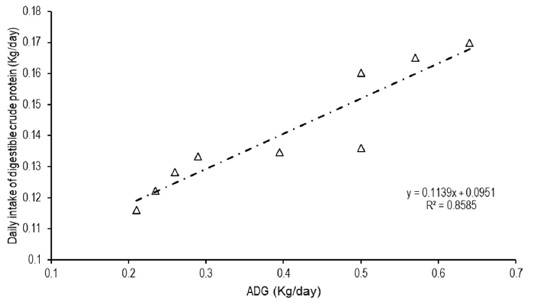
The research compared calves fed elephant grass with those given hydroponic maize fodder. The results were striking: calves consuming hydroponic maize showed improved growth performance, better feed conversion efficiency, and healthier body condition. Hydroponic maize fodder, grown without soil and using controlled water systems, provided higher digestibility and nutrient availability. This innovation not only enhanced calf development but also reduced the dependency on traditional forage, which is often limited by land availability and seasonal fluctuations.

This breakthrough directly supports the United Nations’ Sustainable Development Goal (SDG) 1: No Poverty. By adopting hydroponic maize fodder, smallholder farmers can reduce feed costs, improve calf productivity, and secure more stable incomes. Stronger calves grow into healthier dairy cows, which means more milk, more food security, and greater economic resilience for rural families. In regions where land is scarce, hydroponic systems also maximize resource efficiency, ensuring farmers can produce high-quality feed year-round.
Beyond economics, hydroponic maize fodder contributes to sustainability. It requires less land, conserves water, and reduces environmental pressure compared to conventional forage cultivation. This aligns with SDG 15: Life on Land, as it helps protect ecosystems by minimizing deforestation and overgrazing. Moreover, the knowledge-sharing aspect of this innovation resonates with SDG 4: Quality Education, empowering farmers and agricultural students to learn modern, eco-friendly feeding techniques.
What makes this study inspiring is its practicality. Hydroponic maize fodder is not a futuristic concept—it is a simple, accessible technology that farmers can adopt with modest investment. By combining science with local farming needs, it demonstrates that sustainable solutions can be both innovative and realistic.
In conclusion, the article published on January 20, 2026, in Advances in Animal and Veterinary Sciences shows that replacing elephant grass with hydroponic maize fodder is more than a feeding strategy—it is a pathway to poverty reduction, sustainability, and farmer empowerment. Feeding calves with hydroponic maize is not only about growth; it is about building a future where agriculture is smarter, greener, and more resilient.
Reference:
DOI: https://dx.doi.org/10.17582/journal.aavs/2026/14.1.147.155
Contact:
Prof. Ambo Ako
+62 852-5550-5411
amboako@yahoo.com
amboako@unhas.ac.id


