


MAKASSAR, Indonesia Apr 11 2026 /ODFRG/–Milk is more than just a drink—it is a livelihood for millions of smallholder farmers across the world. But producing high-quality milk requires more than cows; it requires smart feeding strategies. A recent study published in Livestock Research for Rural Development (The CIPAV Foundation, 1 December 2025), titled “Evaluation of various leguminous forages to enhance milk yield and quality in Friesian Holstein dairy cattle”, offers fresh insights into how local leguminous plants can transform dairy farming.
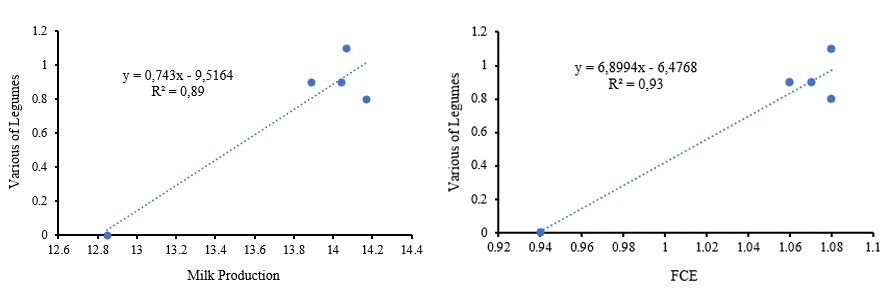
The research, conducted in South Sulawesi, Indonesia, tested the impact of supplementing Friesian Holstein dairy cows with different legumes such as Leucaena leucocephala, Gliricidia sepium, Indigofera zollingeriana, and Moringa oleifera. These plants are rich in protein and thrive in tropical climates, making them ideal candidates for sustainable feed. The results were striking: while cows fed legume-based diets consumed slightly less dry matter, their feed conversion efficiency improved, meaning they produced more milk from less feed. Milk yield tended to increase, and importantly, milk quality—including protein, fat, and mineral content—remained consistent across all treatments.
This finding directly supports the United Nations’ Sustainable Development Goal (SDG) 1: No Poverty. Feed costs are often the biggest burden for smallholder farmers. By using locally available legumes instead of expensive commercial concentrates, farmers can reduce costs while maintaining or even improving productivity. More efficient milk production translates into higher incomes, stronger food security, and greater resilience for rural communities.
Beyond economics, the study highlights environmental and social benefits. Leguminous plants enrich the soil with nitrogen, reduce reliance on chemical fertilizers, and promote biodiversity, aligning with SDG 15: Life on Land. Their adaptability to tropical ecosystems also makes them a sustainable choice for regions facing climate challenges. Moreover, the knowledge gained from this research contributes to SDG 4: Quality Education, as farmers and agricultural students can learn how to integrate local resources into modern feeding practices.
What makes this study particularly inspiring is its practicality. Instead of relying on imported feed ingredients, farmers can turn to plants already growing in their environment. This approach blends traditional agricultural wisdom with scientific validation, showing that solutions to global challenges can be rooted in local landscapes.
In conclusion, the article published on December 1, 2025, in Livestock Research for Rural Development demonstrates that legumes are more than just plants—they are tools for empowerment. By incorporating protein-rich forages into dairy cow diets, farmers can cut costs, boost efficiency, and contribute to poverty reduction. Feeding cows with legumes is not only about producing milk; it is about producing opportunity, sustainability, and hope for rural communities.
Reference:
DOI: https://www.lrrd.org/lrrd37/4/3751renn.html
Contact:
Prof. Ambo Ako
+62 852-5550-5411
amboako@yahoo.com
amboako@unhas.ac.id


