


MAKASSAR, Indonesia Apr 12 2026 /ODFRG/–In the world of dairy farming, small changes in feed can make a big difference. A recent study published in Livestock Research for Rural Development (Fundación CIPAV, 1 December 2024), titled “Hormone prolactin concentration, milk production performance and milk quality of Holstein Friesian dairy cows supplementing the diet with various levels of mung bean sprouts”, reveals how a simple addition—mung bean sprouts—can enhance milk yield and quality while supporting sustainable farming.
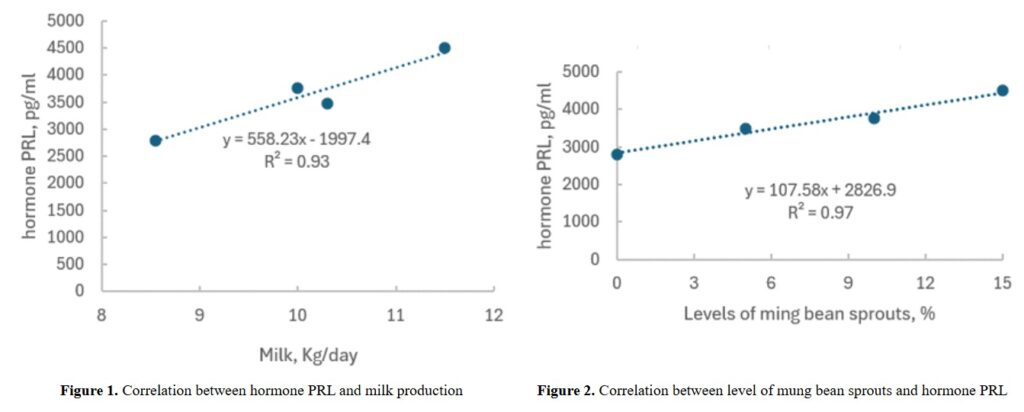
The research, conducted in South Sulawesi, Indonesia, tested four levels of mung bean sprout supplementation (0%, 5%, 10%, and 15%) in the diets of Holstein Friesian dairy cows. The results were remarkable: cows fed with up to 15% mung bean sprouts showed higher prolactin hormone levels, improved milk production, and better feed conversion efficiency. Prolactin, often called the “milk hormone,” stimulates the mammary glands, and its increase directly correlates with higher milk output. The study found that prolactin levels rose from 2,795 pg/ml to 4,495 pg/ml as mung bean supplementation increased, while milk yield climbed from 8.5 to 11.5 kilograms per day.
This innovation aligns with the United Nations’ Sustainable Development Goal (SDG) 3: Good Health and Well-Being. Healthier cows produce more nutritious milk, benefiting both farmers and consumers. By improving feed efficiency and milk quality, farmers can reduce waste, lower costs, and enhance animal welfare—key components of sustainable livestock management. Moreover, mung bean sprouts are rich in protein, amino acids, and natural compounds like polyphenols and flavonoids, which not only boost hormone activity but also improve digestion and nutrient absorption.
Beyond animal health, this feeding strategy supports SDG 1: No Poverty by empowering smallholder farmers. Mung beans are affordable, locally available, and easy to cultivate, making them a practical solution for improving productivity without expensive commercial feed. The study demonstrates that science-based innovations can help rural farmers increase income while maintaining environmental balance.
Interestingly, while milk protein levels increased significantly with mung bean supplementation—from 4.22% to 4.49%—other physical qualities such as pH, fat content, and mineral composition remained stable. This means farmers can achieve better milk quality without compromising consistency or safety. The research highlights how local feed resources can be optimized to meet global standards of dairy production.
In conclusion, the article published on December 1, 2024, in Livestock Research for Rural Development shows that mung bean sprouts are more than just a nutritious plant—they are a catalyst for sustainable dairy farming. By improving hormone balance, milk yield, and feed efficiency, this simple innovation promotes animal health, farmer prosperity, and environmental sustainability. Feeding cows with mung bean sprouts is not only about producing milk—it’s about producing well-being for communities and the planet.
Reference:
DOI: https://www.lrrd.cipav.org.co/lrrd36/6/3671renn.html
Contact:
Prof. Ambo Ako
+62 852-5550-5411
amboako@yahoo.com
amboako@unhas.ac.id


