

The Obesity and Child Nutrition Research Group (OCN-RG), Universitas Hasanuddin, continues to contribute to global nutrition discourse through its active participation in the 3rd International Conference on Nutrition and Public Health (ICNPH 2026). Two of its members were invited as speakers, highlighting both foundational and emerging issues in public health nutrition.
 Dr. Rahayu Indriasari presented on Adolescent Nutrition Program, emphasizing the importance of adolescence as a critical window for shaping long-term health. Her session highlighted the role of structured, school-based programs in improving dietary behaviors and supporting healthier growth among adolescents.
Meanwhile, Dr. Andi Imam Arundhana Thahir addressed emerging issues at the intersection of obesity, the Makan Bergizi Gratis (MBG) program, and the gut microbiome. He underscored that obesity is far more complex than a simple imbalance between energy intake and expenditure, involving interactions between behavior, environment, and biological systems, including the gut microbiota.
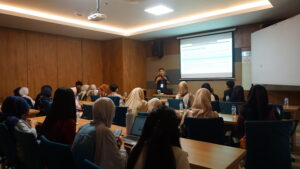
In his presentation, he also raised an important concern regarding the implementation of MBG. While the program represents a major national effort to improve child nutrition, its impact will depend on how well it goes beyond calorie provision. Without careful consideration of children’s baseline nutritional status and individual needs, there is a potential risk that such programs may inadvertently contribute to overweight and obesity. He further emphasized the need to strengthen diet quality, particularly diversity and fiber intake, as part of a more forward-looking approach to child nutrition.
Importantly, he proposed a shift toward a “gut-centric nutrition approach,” where school meal programs integrate diverse, fiber-rich, and locally sourced foods to support microbiome health and long-term metabolic outcomes. Rather than replacing existing frameworks, this approach serves as a lens to improve how nutrition programs are designed and evaluated.Together, these presentations reflect a shared commitment to advancing nutrition strategies that are not only effective in the short term but also aligned with long-term health outcomes. By bridging research, policy, and practice, OCN-RG continues to position itself at the forefront of efforts to improve child and adolescent nutrition in Indonesia and beyond.