


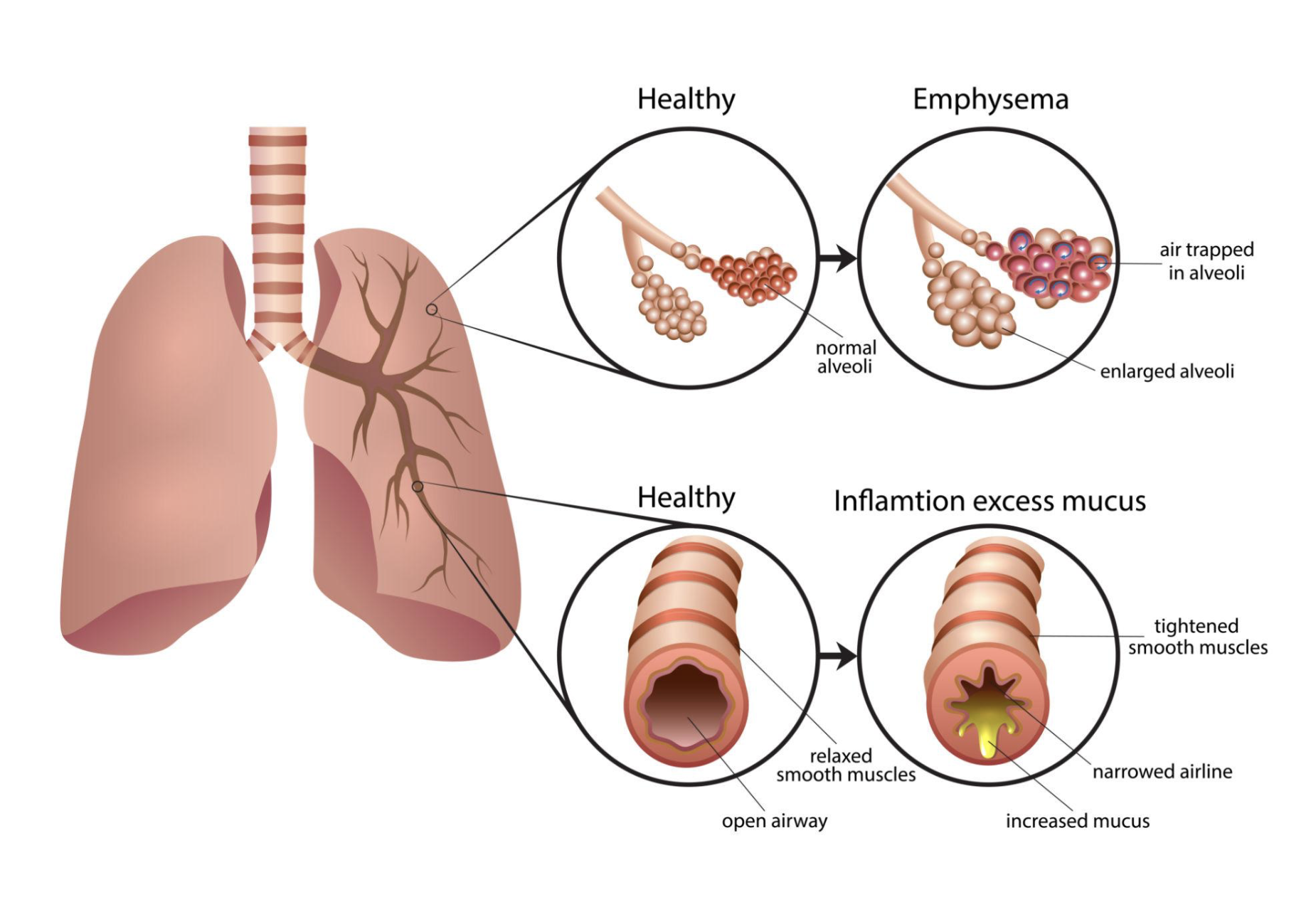
Can a Molecule Help the Lungs Heal? A New Hope for COPD Recovery
Every breath we take is something we rarely think about—until breathing becomes difficult. For millions of people living with chronic obstructive pulmonary disease (COPD), simple activities such as walking, climbing stairs, or even talking can feel exhausting. COPD, one of the world’s leading causes of death, slowly damages the lungs and makes it harder for the body to repair itself. But what if scientists discovered a way to help the lungs heal from the inside?
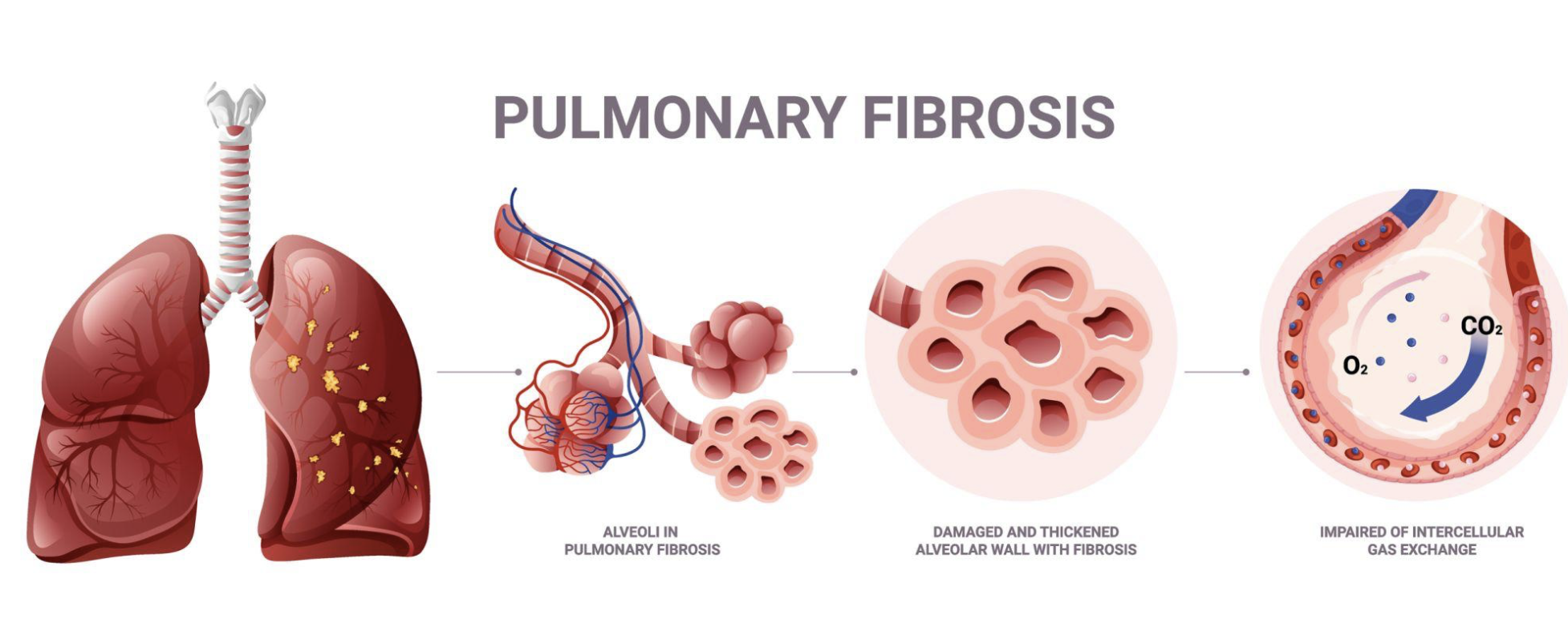
What if a simple blood marker could help doctors predict how fast a deadly lung disease is progressing? A recent scientific discovery may bring us one step closer to that possibility.
A study titled “Osteoprotegerin Is Elevated in Pulmonary Fibrosis and Associates with Idiopathic Pulmonary Fibrosis Progression: A Pilot Study”, published in the journal Respiration by S. Karger AG on 13 August 2025, explored an important biological signal that could improve how doctors understand and monitor a severe lung disease called idiopathic pulmonary fibrosis (IPF).
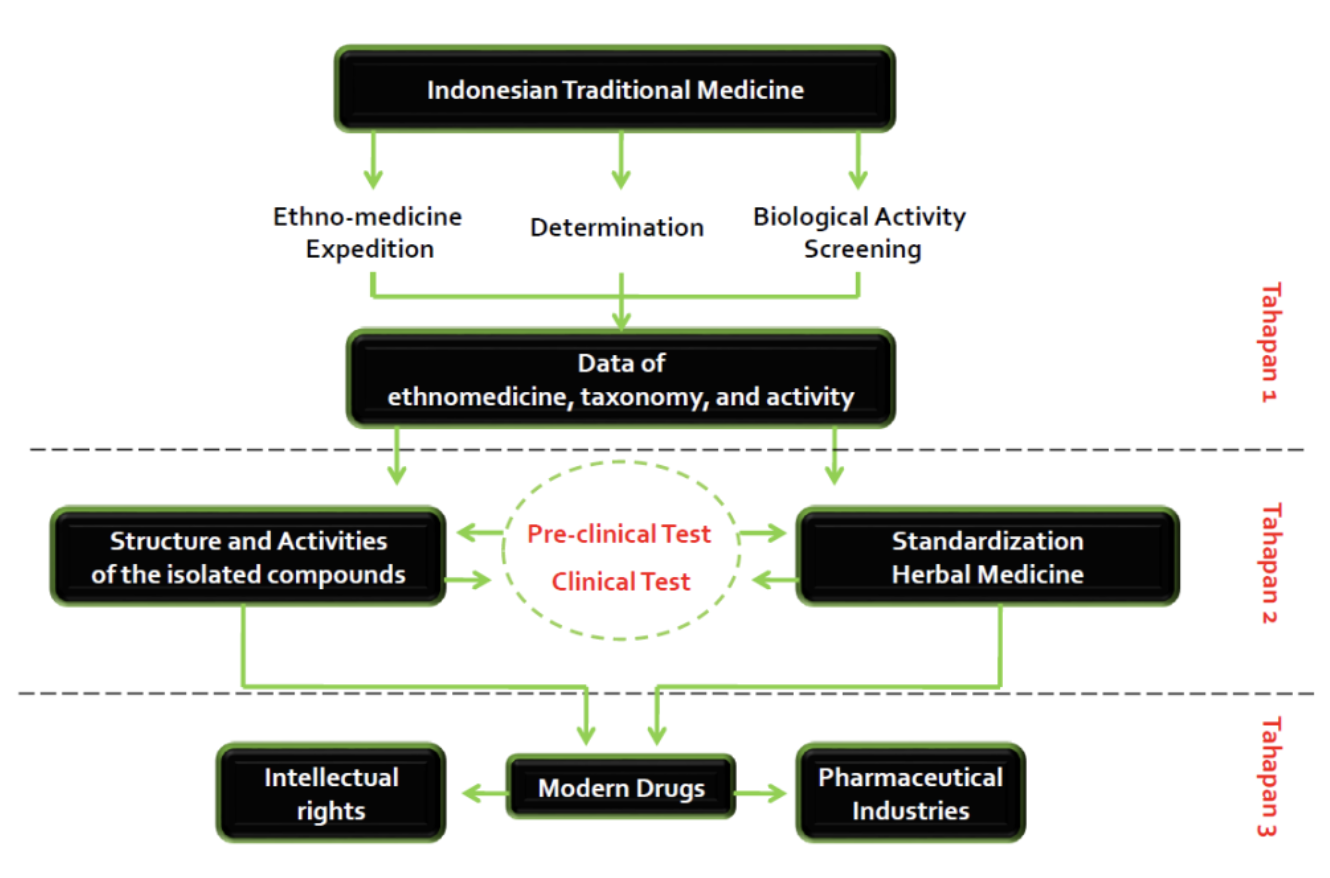
This research is expected to result in the development of a drug for psoriasis. In addition to providing a new treatment option for psoriasis patients, it also contributes to enhancing the nation\’s self-sufficiency in producing pharmaceuticals derived from local natural resources.

This study aims to explore the therapeutic potential of Chromolaena odorata L. extract in inhibiting inflammatory processes involved in the pathogenesis of atopic dermatitis (AD). Given the limitations and side effects of long-term corticosteroid and immunomodulator use, alternative treatments derived from natural products are crucial. C. odorata L., traditionally used for wound healing, possesses anti-inflammatory properties that may benefit AD treatment. The research will involve extraction, fractionation, in vitro anti-inflammatory screening assays, and in vivo evaluation using a DNCB-induced AD model in animals, assessing clinical and histological improvements.

This study aims to investigate the therapeutic potential of Lannea coromandelica bark extract, a traditional remedy used by communities in South Sulawesi for wound healing, abdominal pain, and cough relief. The research focuses on identifying the bioactive compounds responsible for its anti-inflammatory and wound-healing properties and evaluating their efficacy through a combination of in vitro, in vivo, and in silico approaches. By integrating these methods, the study seeks to uncover the molecular mechanisms underlying the extract\’s therapeutic effects, particularly its interaction with key protein targets such as COX-2, TNF-α, and VEGF, which are critical in inflammation and wound healing processes.
The findings from this research are expected to provide a scientific foundation for the development of phytopharmaceutical products derived from Lannea coromandelica bark, leveraging its traditional use and potential as a natural therapeutic agent. The study also aims to contribute to the broader understanding of plant-based medicines and their applications in modern healthcare.
This research will employ a multidisciplinary methodology, including extraction and identification of bioactive compounds, biological activity assays, and computational simulations to predict molecular interactions. The results will be analyzed to determine the extract\’s effectiveness in reducing inflammation and promoting wound healing, with the ultimate goal of supporting the development of evidence-based herbal medicines.