

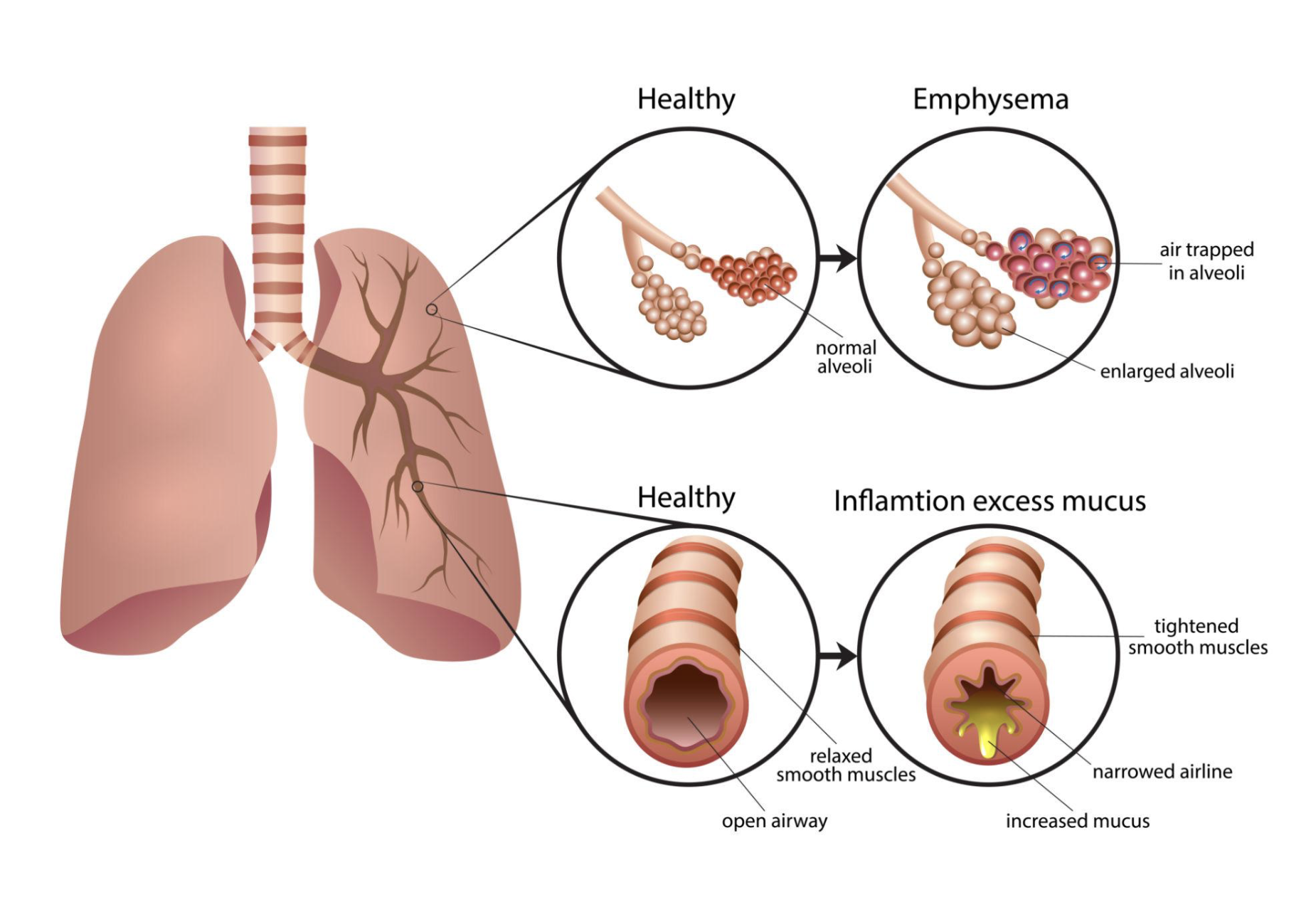

Every breath we take is something we rarely think about—until breathing becomes difficult. For millions of people living with chronic obstructive pulmonary disease (COPD), simple activities such as walking, climbing stairs, or even talking can feel exhausting. COPD, one of the world’s leading causes of death, slowly damages the lungs and makes it harder for the body to repair itself. But what if scientists discovered a way to help the lungs heal from the inside?
A recent scientific breakthrough suggests this possibility may not be so far away.
Researchers have identified an important biological signal called RANKL (Receptor Activator of Nuclear Factor Kappa-B Ligand) that may help damaged lung cells recover and grow again. In simple terms, this molecule appears to act like a “repair messenger,” encouraging lung cells to regenerate after injury.
The discovery comes from a study titled “Receptor Agonist of NFκB Signaling Ligand Directs Lung Epithelial Cell Expansion through RANK Signaling,” published in the American Journal of Physiology–Lung Cellular and Molecular Physiology, a journal published by the American Physiological Society, on January 29, 2026. The study explored how RANKL influences lung repair, especially in conditions resembling COPD.
To understand the importance of this finding, imagine the lungs as a city constantly exposed to pollution, smoke, and infection. Over time, buildings—in this case, lung cells—become damaged. Normally, the body has its own repair team to rebuild those structures. However, in COPD patients, this repair system often struggles to keep up with the damage.
In laboratory experiments using both mouse and human lung cells, scientists found that RANKL helped increase the growth of lung epithelial cells, which are essential for repairing damaged air sacs. Interestingly, the molecule appeared to support special transitional cells that act like “construction workers” during the healing process. These cells help restore the lung lining after injury.
The researchers also tested RANKL in mice with damaged lungs and observed promising signs of tissue repair. Although the treatment did not completely reverse lung injury, it increased the number of important epithelial cells involved in recovery. This means RANKL may someday become part of a strategy to support lung regeneration, especially in the early stages of damage.
Of course, this does not mean a cure for COPD has arrived. Scientists still need further studies to confirm whether this approach is safe and effective in humans. Questions remain about the best timing, dosage, and long-term effects of activating this pathway.
Still, this research offers something valuable: hope.
Importantly, this scientific progress strongly aligns with Sustainable Development Goal (SDG) 3: Good Health and Well-Being, which aims to reduce premature deaths from non-communicable diseases and improve global health. Innovations that support lung repair could one day improve quality of life for millions of people affected by chronic respiratory diseases worldwide.
Breathing is life. And thanks to advances in science, we may be getting closer to helping damaged lungs breathe easier again.
