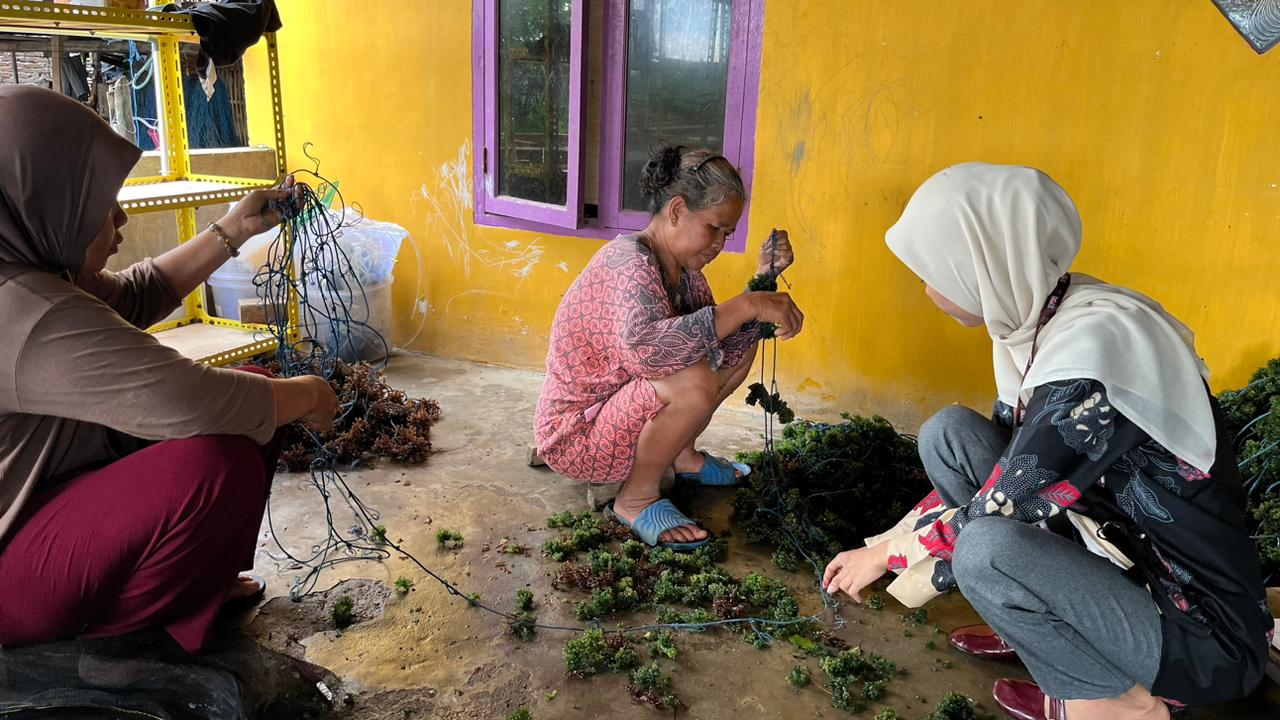
Takalar, South Sulawesi, Indonesia — A field visit under the Partnership for Australia-Indonesia Research (PAIR) Program was conducted on November 24, 2025 through direct engagement with seaweed farmers in Takalar Regency, South Sulawesi. The activity involved four participants and aimed to obtain firsthand information through discussions and interviews with local seaweed farming communities. The visit focused on understanding farmers’ perspectives regarding policies, institutional roles, and the relationships among different agencies in supporting community empowerment and the development of seaweed farming. Direct engagement with seaweed farmers provided an opportunity to understand the realities behind the development of the seaweed sector. Rather than relying solely on secondary information, participants listened directly to farmers’ experiences, perspectives, and expectations.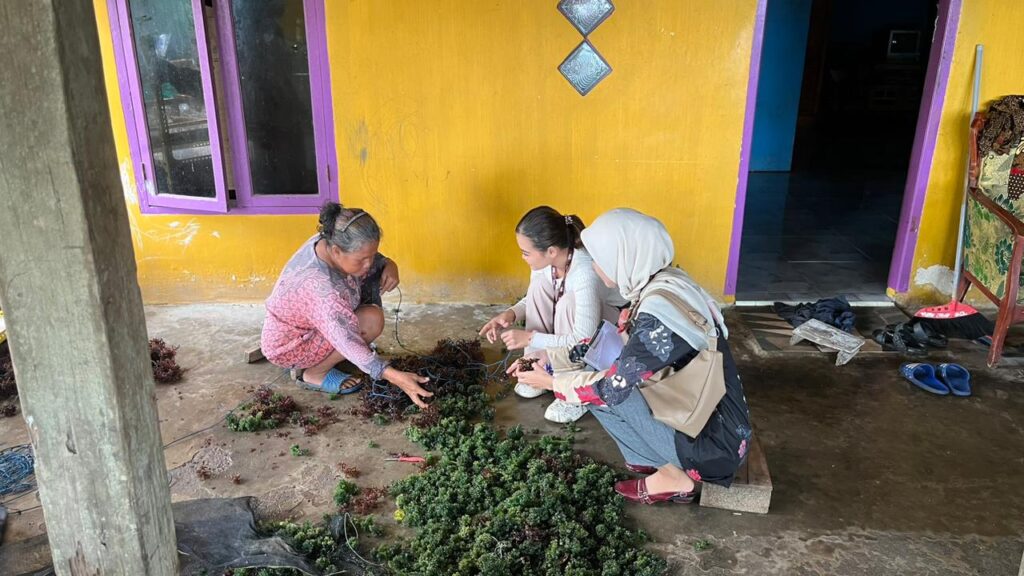 The discussions explored how government policies and institutional programs are experienced at the community level, as well as the forms of support that farmers need to strengthen their farming activities and livelihoods. Seaweed farming is closely connected to the socioeconomic life of coastal communities in Takalar. For farmers, the sustainability of their livelihoods depends on various interconnected factors, including cultivation conditions, access to information, institutional support, market opportunities, and the ability to respond to changes affecting production. Understanding these factors from the farmers’ perspective is important for ensuring that future development strategies are relevant to local conditions. The interviews also highlighted the importance of communication between communities and institutions. Farmers possess valuable local knowledge derived from their daily interaction with coastal environments. At the same time, government agencies and research institutions have important roles in providing policies, technical knowledge, capacity building, and development support. Creating stronger connections between these stakeholders can help ensure that community needs are considered in planning and decision-making processes. The field visit also demonstrated the value of community-based learning for research and development. Direct conversations with farmers enabled participants to connect academic perspectives with practical experiences in the field. This process can generate insights that are useful not only for understanding existing conditions but also for identifying opportunities to improve community empowerment and promote more sustainable seaweed farming practices.
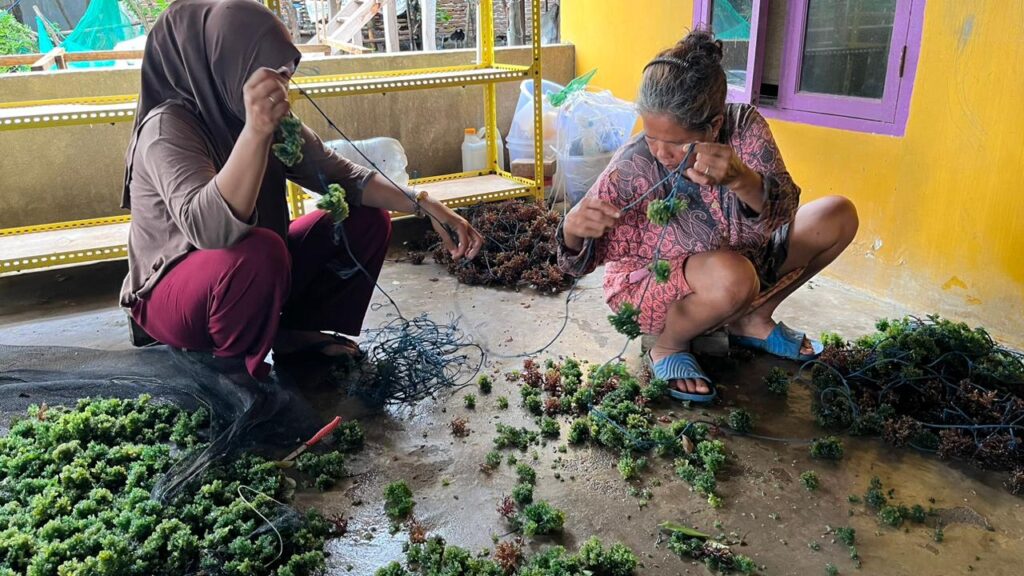 The activity contributes to several Sustainable Development Goals (SDGs). It supports SDG 1: No Poverty by focusing on the livelihoods and economic empowerment of coastal communities whose income is connected to seaweed farming. The exchange of knowledge and field-based learning contributes to SDG 4: Quality Education by connecting research knowledge with community experience. The responsible development of seaweed farming is also relevant to SDG 14: Life Below Water, particularly through sustainable utilization of coastal and marine resources. Furthermore, direct interaction among researchers and local communities reflects SDG 17: Partnerships for the Goals, emphasizing collaboration and knowledge exchange as important elements of sustainable development. Overall, the PAIR Program field visit provided valuable insights into the experiences and needs of seaweed farming communities in Takalar. By placing farmers’ perspectives at the center of the activity, the visit strengthened understanding of the social, institutional, and environmental dimensions of seaweed farming. The information gathered through discussions and interviews is expected to contribute to research and support the development of more inclusive and evidence-based approaches. Through continued collaboration among communities, researchers, and institutions, the PAIR Program contributes to efforts toward stronger coastal livelihoods and a more sustainable future for the seaweed sector in Takalar.