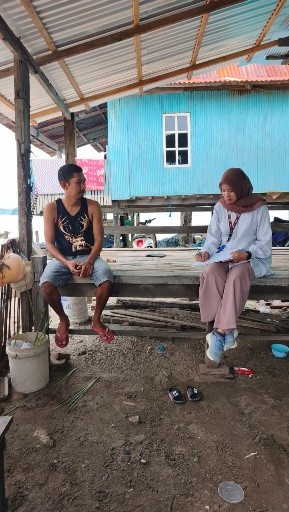
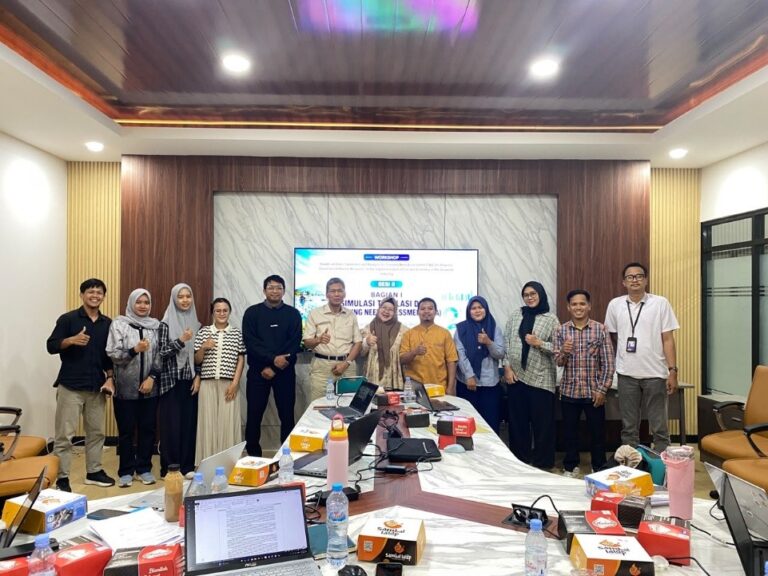
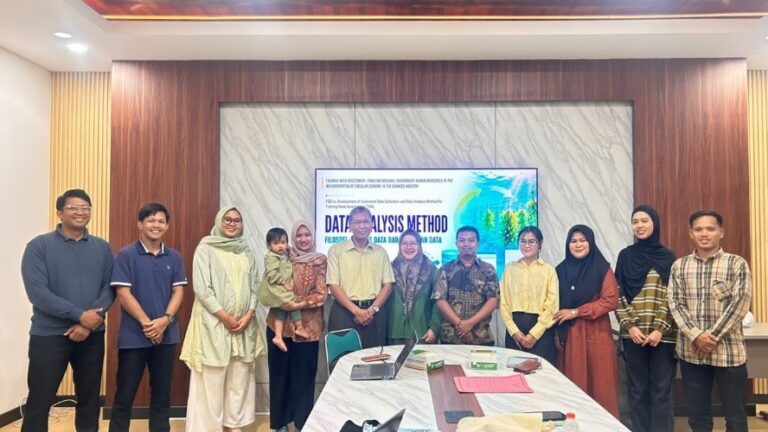
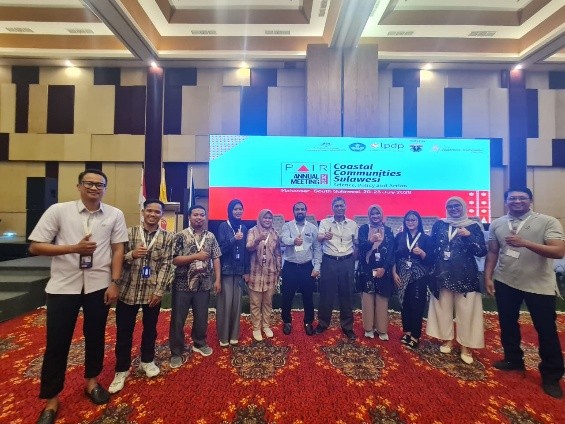
Suppa, Pinrang, South Sulawesi — The PAIR Program conducted a field visit to seaweed farmers in the coastal area of Suppa District, Pinrang Regency, South Sulawesi, on April 23, 2026. The activity aimed to gather first-hand information through discussions and interviews with seaweed farmers concerning policies, institutional roles, and the involvement of relevant agencies in supporting community empowerment and seaweed farming development. Five participants took part in the activity as part of a field-based information-gathering and learning process grounded in local realities.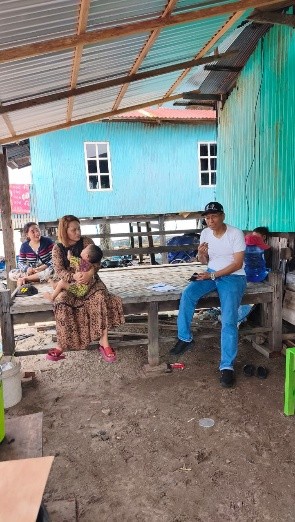 Direct interaction with seaweed farmers provided important perspectives on how policies and development programs are experienced by communities directly involved in farming activities. Farmers are not merely beneficiaries of government policies but also possess valuable local knowledge and practical experience for understanding production dynamics, environmental changes, business needs, and challenges affecting the sustainability of their livelihoods. Through discussions and interviews, participants explored farmers’ experiences in managing seaweed farming activities, the forms of support they had received, and their interactions with government agencies and other stakeholders. The discussions also provided an opportunity for farmers to communicate their needs, challenges, and expectations concerning the future development of their businesses. Such information is essential for understanding whether policies and community empowerment programs are adequately addressing local needs. The field activity also demonstrated that the success of seaweed farming depends on more than technical production practices. Access to information, extension support, institutional assistance, markets, production facilities, and appropriate policies are interconnected factors that influence farming sustainability. Community empowerment therefore requires an approach that recognizes farmers as active participants in program planning and development rather than simply as recipients of interventions. The activity is closely connected to SDG 1 (No Poverty) because seaweed farming represents an important economic activity that can support the livelihoods of coastal communities. Strengthening farmers’ capacities and providing appropriate institutional support can contribute to greater economic resilience and sustainable livelihood opportunities.
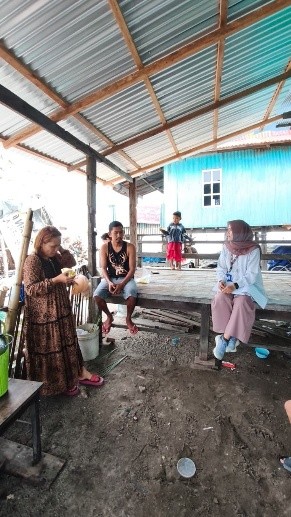 The activity also supports SDG 4 (Quality Education) through experiential learning and knowledge exchange between participants and local communities. Farmers’ local and practical knowledge provided an important source of learning that complemented academic perspectives and policy considerations. From an environmental perspective, the activity is relevant to SDG 14 (Life Below Water) because the sustainability of seaweed farming is closely connected to the health and carrying capacity of coastal and marine ecosystems. Responsible resource utilization is essential to ensure that economic benefits can be maintained without compromising environmental sustainability. Meanwhile, dialogue among the PAIR Program, seaweed farmers, government institutions, and other stakeholders supports SDG 17 (Partnerships for the Goals). Partnerships that actively involve local communities are essential for ensuring that policies and development programs are more responsive to local priorities and grounded in practical realities. Ultimately, the visit provided an important opportunity to listen directly to seaweed farmers and strengthen the connection between research, policy, and field practices. The insights gathered are expected to enrich the PAIR Program’s understanding and contribute to more participatory, contextual, and sustainable approaches to empowering coastal communities and developing the seaweed sector in Suppa District.