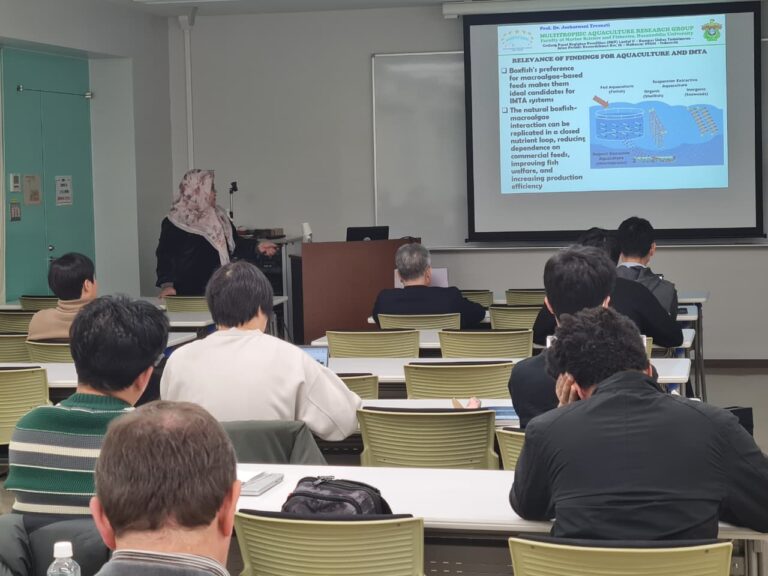
MAKASSAR, Indonesia November 1 2019/MARGO/ Environmental degradation is forcing us to rethink how we produce food. The old ways—using too much freshwater, dousing crops with fertilizers and pesticides, and watching soil wash away—are no longer sustainable. The future of food must move from land to sea, and it must be smarter, cleaner, and more efficient.
Enter the Multitrophic Aquaculture System (MAS). This innovative approach, detailed in a study published on 1 November 2019 in the journal IOP Conference Series: Earth and Environmental Science (Publisher: IOP Publishing) titled “A Microcosm Multitrophic Aquaculture System,” offers a glimpse into the future of sustainable farming. The concept is simple but powerful: cultivate organisms from different trophic levels—both producers (like seaweed) and consumers (like fish)—in the same recirculating system. Waste from the fish becomes food for the seaweed, and the seaweed cleans the water for the fish. It is nature’s recycling system, engineered for food production.
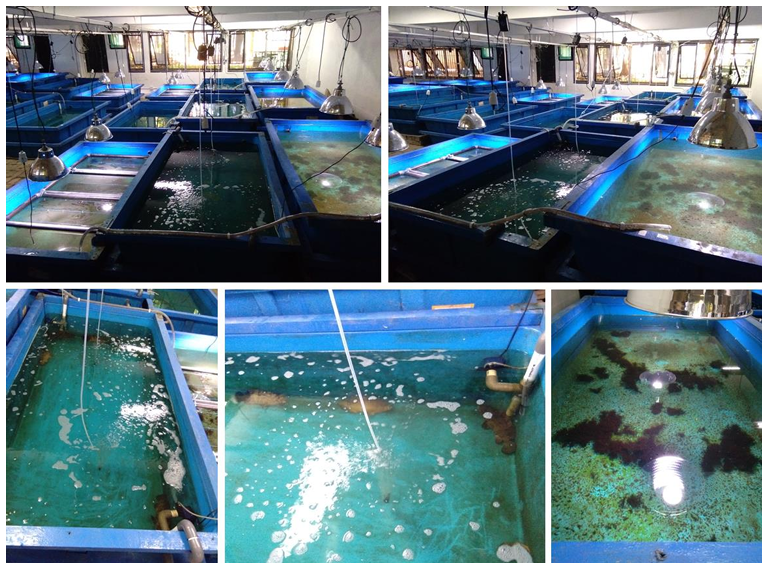
Researchers from Hasanuddin University in Indonesia built a microcosm (small-scale) version of this system using three connected 1-ton tanks. In one tank, they placed red seaweed (Gracilaria changii) as the autotrophic organism—the “producer” that absorbs nutrients and produces oxygen through photosynthesis. In another tank, they placed groupers (Epinephelus fuscoguttatus) as the heterotrophic organism—the “consumer” that eats and produces waste. A circulation pump moved water between the tanks, creating a closed-loop system. 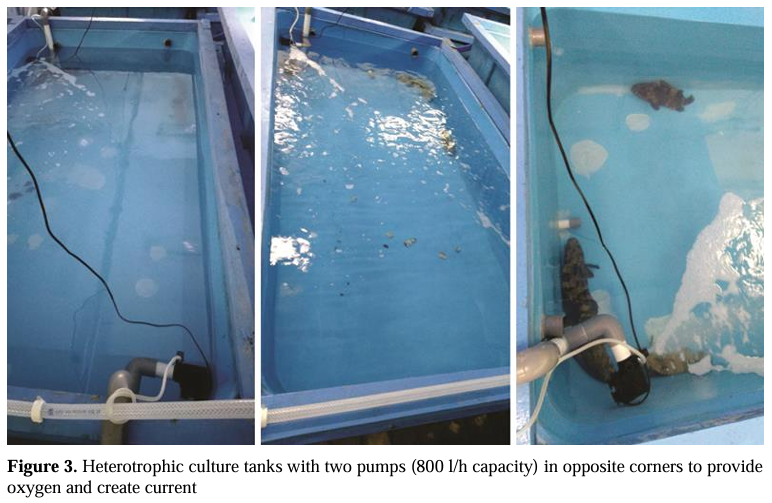
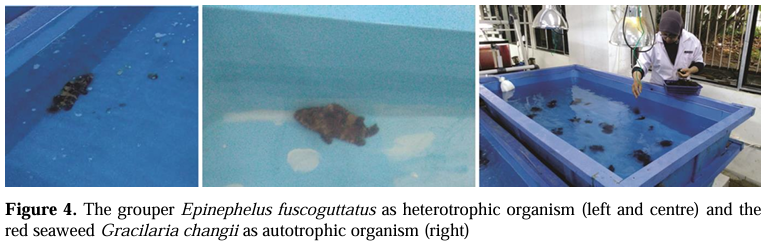
The results were a fascinating story of success and lessons learned. The seaweed thrived throughout the 51-day experiment, showing steady growth. However, the groupers initially struggled. Within the first 37 days, 31% of the fish died. They appeared lethargic, lost their appetite, and clustered near the water pump seeking oxygen. The problem? Low dissolved oxygen levels (only 3-5 mg/L) and excessive nutrients—ammonia and orthophosphate—that had built up in the water. The system, in its initial design, simply could not keep up with the oxygen demand of the fish. 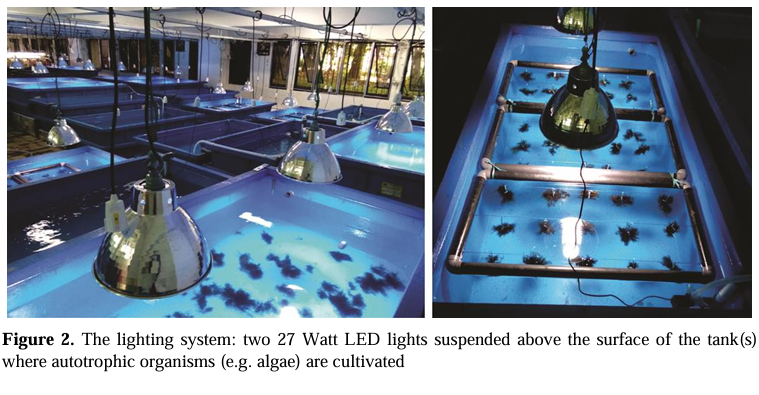 Then came the turning point. On day 37, the researchers installed aerators to pump extra oxygen into the fish tanks. The transformation was dramatic. Fish became active, their appetite increased significantly (from 6.23 to 8.16 grams of feed per fish per day), and mortality dropped to just two fish in the remaining 14 days. The lesson was clear: oxygen is the lifeblood of aquaculture, and even the best-designed system needs adequate aeration.
This research directly supports the United Nations’ Sustainable Development Goal 14: Life Below Water. By promoting multitrophic aquaculture that recycles nutrients and reduces pollution, it offers a pathway to sustainable marine food production that minimizes environmental harm. Furthermore, by providing farmers with a resilient, diversified system, it contributes to poverty reduction (SDG 1) and food security for coastal communities. The researchers conclude that the MAS concept is promising but needs refinement—particularly by increasing seaweed stocking density to absorb excess nutrients. With these adjustments, this tiny system could one day scale up to transform brackishwater ponds across Indonesia, turning environmental problems into sustainable solutions.
Reference
DOI:
https://iopscience.iop.org/article/10.1088/1755-1315/370/1/012012/pdf
Contact:
Prof. Dr. Ir. Ambo Tuwo DEA
+628124206391
ambotuwo62@gmail.com