MAKASSAR, Indonesia Januari 2020/MARGO/ What happens to all the waste produced by super-intensive shrimp farms? In Indonesia, where shrimp farming has boomed with stocking densities of up to 1,250 shrimp per square meter, the answer is staggering. Each hectare of pond can produce 18 to 22 tons of solid waste per cycle—sludge rich in nutrients that, if left untreated, pollutes coastal waters and damages marine ecosystems. But what if this “waste” was actually a hidden resource?
A study published in January 2020 in the International Journal on Advanced Science, Engineering and Information Technology (Publisher: IOP Publishing) titled “Applying Organic Fertilizer from Solid Waste of Super Intensive Shrimp Pond on Production of Milkfish Fingerlings Chanos chanos (Forsskal, 1775)” demonstrates exactly how this waste can be transformed into a valuable fertilizer for aquaculture.
Researchers from Hasanuddin University and the Research Institute for Coastal Aquaculture and Fisheries Extension in Indonesia conducted an innovative experiment. They took solid waste from super-intensive shrimp ponds—the accumulated organic matter that settles at the bottom—and used it as organic fertilizer to grow natural feed for milkfish fingerlings. They compared three organic fertilizers: shrimp pond waste, commercial organic fertilizer, and chicken manure. Each was combined with inorganic fertilizers (urea and SP-36) and applied to 500-square-meter ponds stocked with milkfish fingerlings.
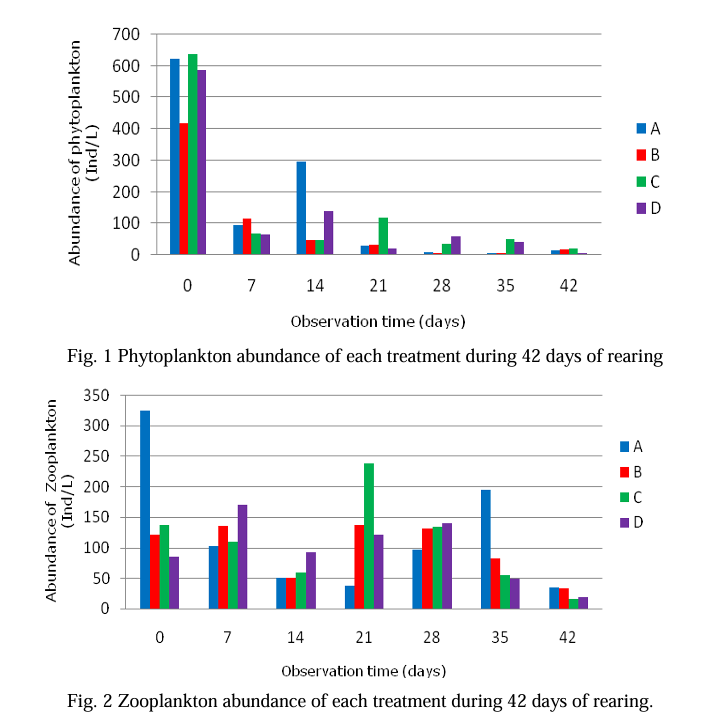
The results were remarkable. The shrimp waste fertilizer produced the highest abundance of plankton—up to 1,915 individuals per liter—and supported 43 genera of plankton, including 27 phytoplankton and 16 zooplankton genera. The dominant phytoplankton was Nitzschia sp., while the most abundant zooplankton was copepod nauplii—both excellent natural food sources for milkfish.
But the real proof came in the milkfish themselves. After 42 days, fingerlings in ponds fertilized with shrimp waste reached an average weight of 5.68 grams—the highest among all treatments. Their survival rate was also the highest at 87.66%, significantly better than the control group (67.90%) that received only inorganic fertilizer. Importantly, the shrimp waste fertilizer performed just as well as commercial organic fertilizer and chicken manure, proving it is a viable, cost-effective alternative.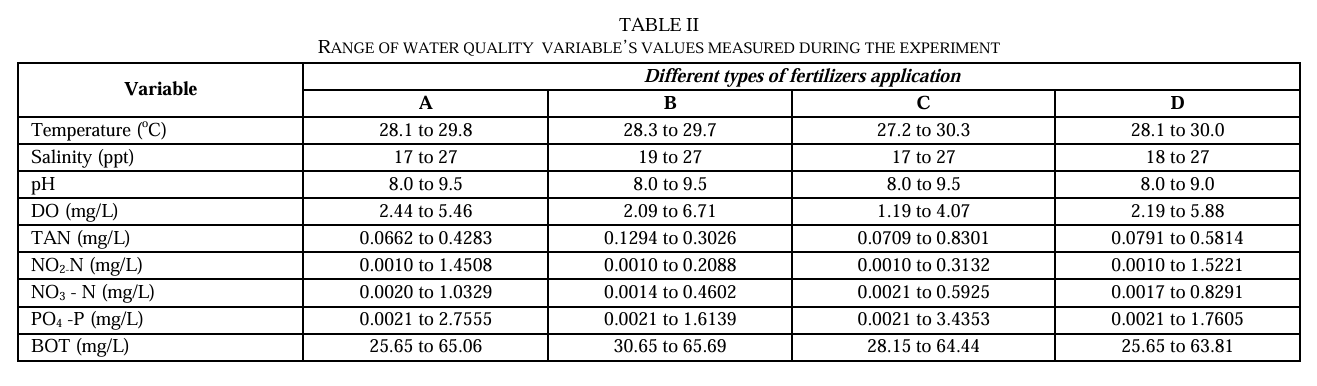
This research directly supports the United Nations’ Sustainable Development Goal 14: Life Below Water. By recycling aquaculture waste into fertilizer, it reduces marine pollution, protects coastal ecosystems from nutrient overload, and promotes sustainable fisheries. It also contributes to poverty reduction (SDG 1) by providing low-cost fertilizer options for small-scale farmers and improving fish production. In a world facing both environmental degradation and food security challenges, this simple innovation—turning waste into wealth—offers a powerful example of how circular economy principles can benefit both people and the planet.
Reference
URL:
https://www.researchgate.net/publication/349491551_Applying_Organic_Fertilizer_from_Solid_Waste_of_Super_Intensive_Shrimp_Pond_on_Production_of_Milkfish_Fingerlings_Chanos_chanos_Forsskal_1775
Contact:
Prof. Dr. Ir. Ambo Tuwo DEA
+628124206391
ambotuwo62@gmail.com