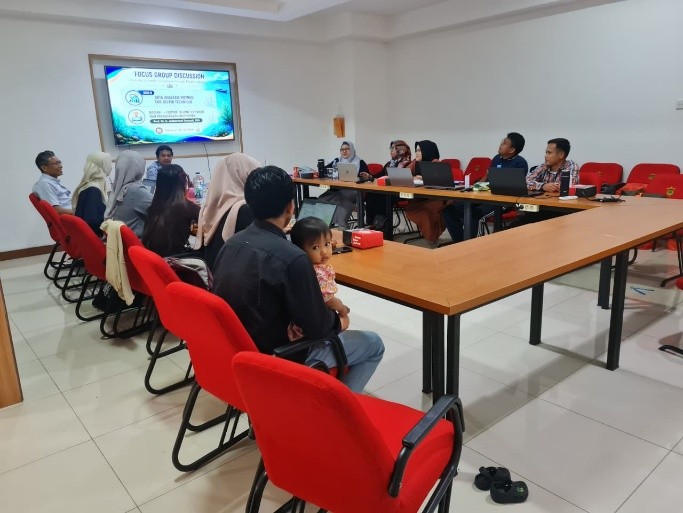
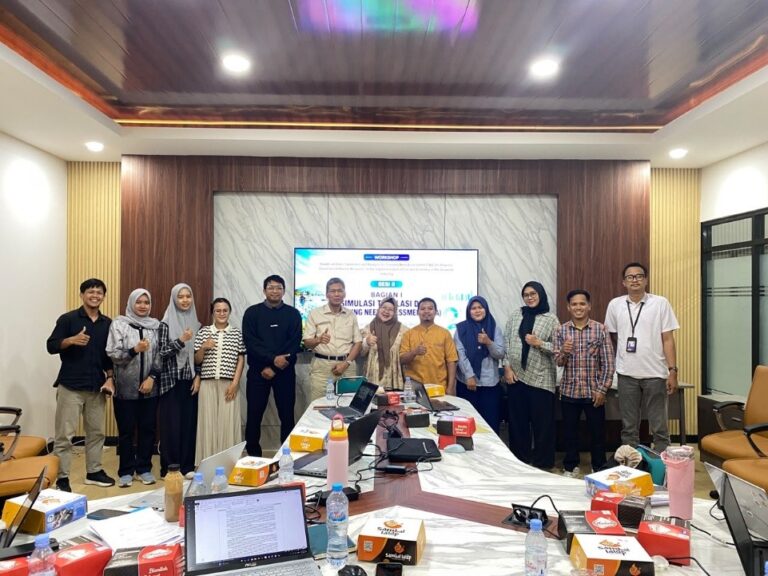
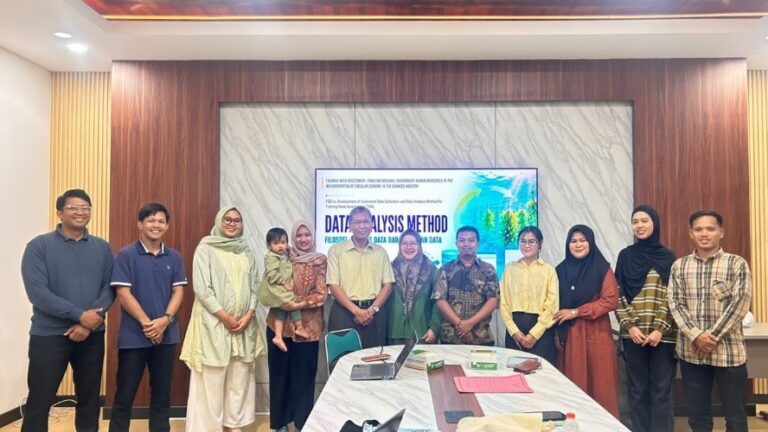
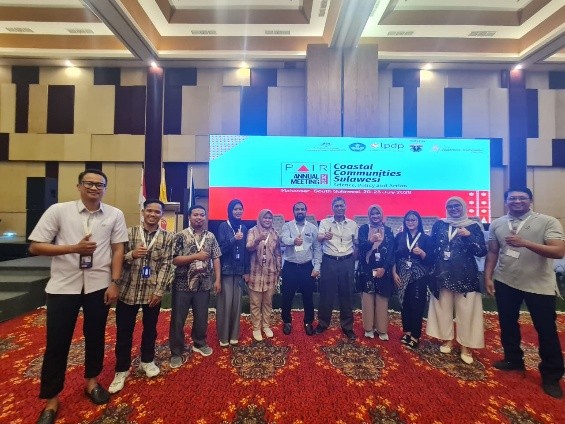
Makassar, Indonesia — The FGD Workshop Development of Data Collection Instrument for Delphi Technique was held on July 4, 2026, at the Research and Community Engagement Institute (LPPM), Hasanuddin University, bringing together 12 participants, including Prof. Joeharnanti Tresnati, to strengthen the preparation of a data collection instrument designed to support the Delphi Technique. 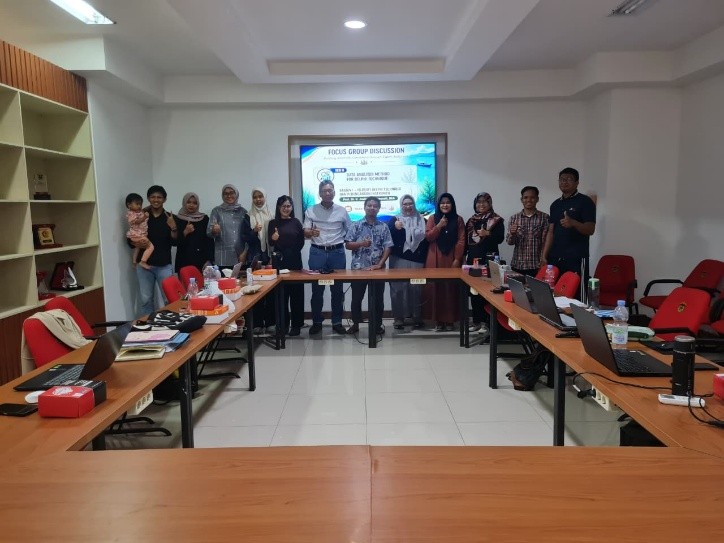 The workshop focused on an important stage of research: ensuring that the questions and instruments used to gather expert perspectives are carefully designed before data collection begins. The Delphi Technique is particularly useful when research requires systematic input from experts to explore complex issues, identify areas of agreement, and build informed recommendations. Therefore, the quality of the instrument becomes an essential foundation for obtaining meaningful and reliable information. Through focused discussion, participants examined how research questions could be translated into clear, relevant, and structured items for expert consultation. The discussion also encouraged participants to consider whether each question was sufficiently understandable, aligned with the research objectives, and capable of capturing the perspectives needed for subsequent analysis. This process helped create a shared understanding of the information that the Delphi process should generate. More than simply preparing a questionnaire, the workshop represented a collaborative effort to connect scientific methodology with real-world policy needs. A well-developed data collection instrument can help researchers organize expert knowledge systematically, reduce ambiguity during data collection, and provide a stronger basis for interpreting different perspectives. In this way, methodological preparation becomes an important bridge between research evidence and practical decision-making.
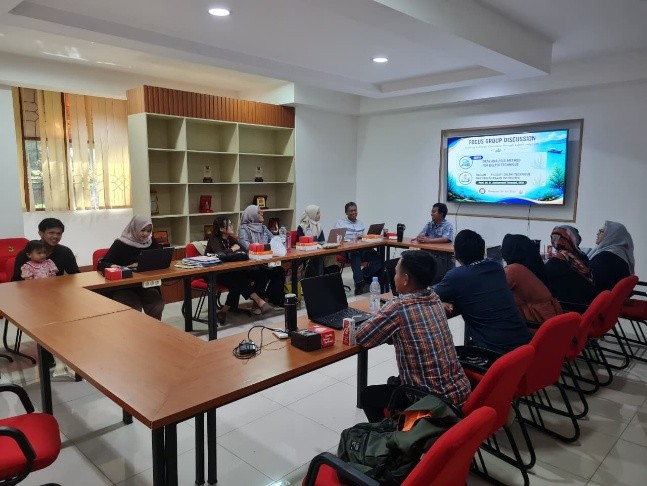 The activity also contributes to SDG 4: Quality Education by strengthening research competencies and methodological capacity among academics and research participants. By improving the ability to design rigorous data collection instruments, the workshop supports the development of higher-quality knowledge and evidence. Its relevance to SDG 1: No Poverty lies in the potential for stronger policy evidence to inform interventions that respond to socioeconomic challenges and improve community well-being. Furthermore, the activity supports SDG 17: Partnerships for the Goals by fostering collaboration and knowledge exchange among researchers and experts. In research areas related to coastal and marine resources, these collaborative processes can also contribute to SDG 14: Life Below Water, particularly by supporting evidence-based approaches to sustainable management of marine and coastal resources. Ultimately, the workshop demonstrates that impactful research begins long before results are produced. Careful instrument development, meaningful expert engagement, and methodological rigor are essential steps toward generating evidence that can be trusted, communicated, and translated into better policies and practices.