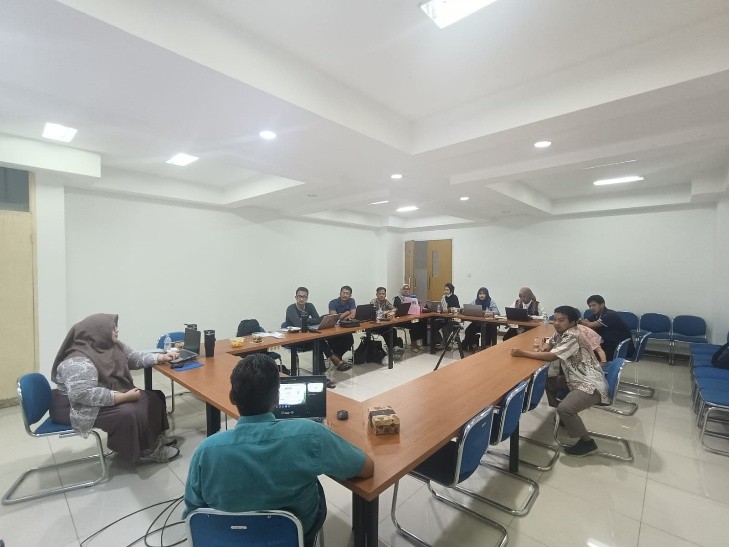
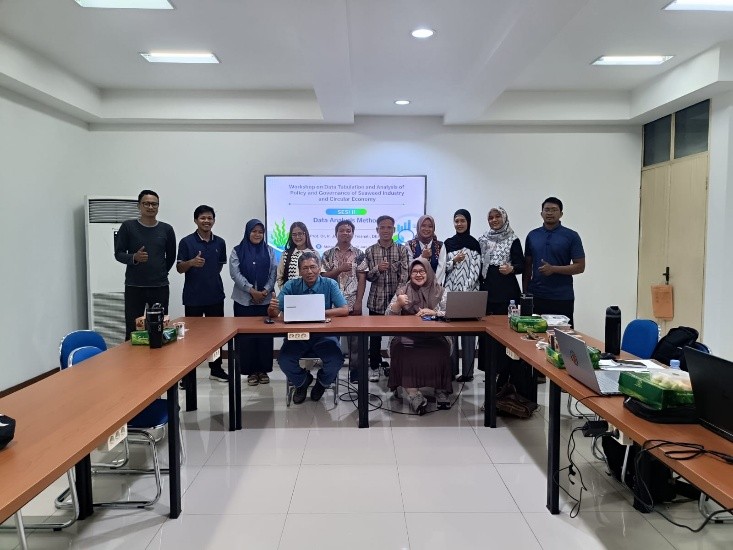
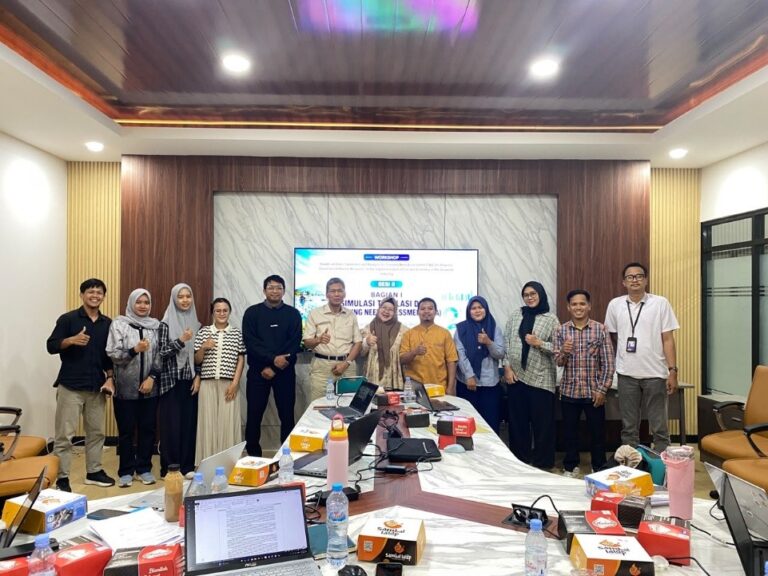
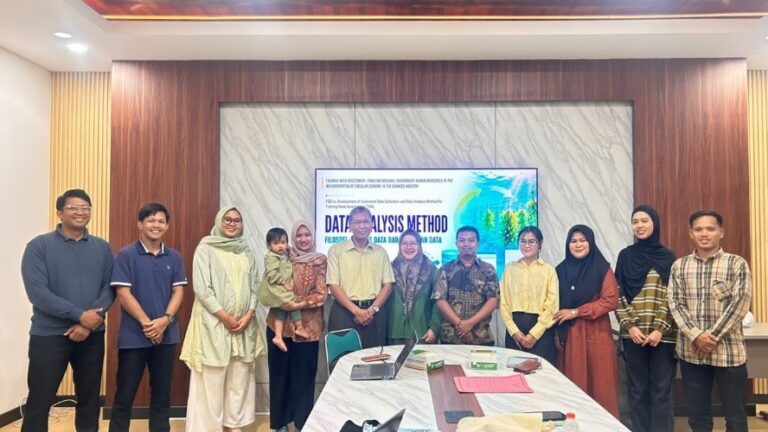
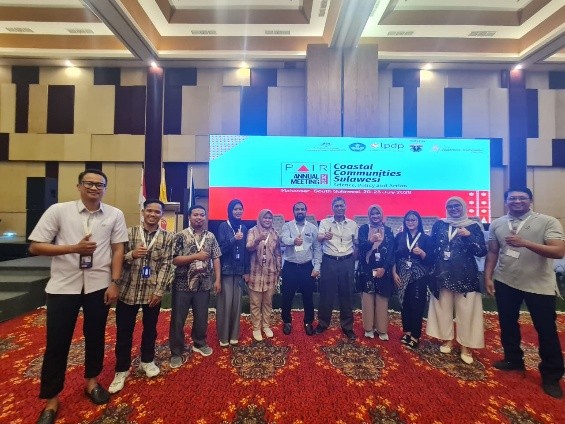
Makassar, Indonesia — The FGD Workshop on Data Tabulation and Analysis of Policy and Governance of the Seaweed Industry and Circular Economy was held on June 28, 2026, at the Research and Community Engagement Institute (LPPM), Hasanuddin University, bringing together 12 participants to strengthen the process of transforming research data into meaningful evidence for policy and governance. The activity was conducted within the broader PAIR program, Strengthening Policy and Governance to Support the Circular Economy in the Seaweed Industry: A Focus on South Sulawesi and West Sulawesi.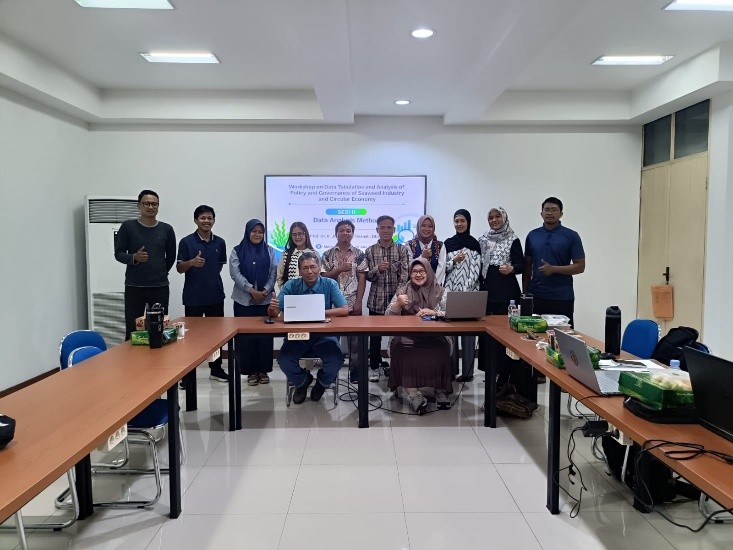 The workshop focused on data tabulation and analysis as an important stage in understanding the policy and governance dimensions of the seaweed industry and circular economy. Following data collection, information must be organized systematically before it can be interpreted and communicated effectively. Through this process, researchers can identify patterns, compare information, recognize important issues, and develop a clearer understanding of the conditions surrounding the seaweed sector. The discussion provided an opportunity for participants to examine how collected data could be structured into meaningful analytical information. Rather than viewing tabulation as a purely technical activity, the workshop emphasized its role in building a reliable foundation for evidence-based interpretation. Well-organized data can help researchers communicate findings more clearly and provide stakeholders with information that is easier to understand and consider when developing policies or programs. This process is particularly important for the development of a circular economy in the seaweed industry. Seaweed is not only an important coastal commodity but also part of a wider system involving communities, markets, production practices, institutions, and environmental resources. Understanding how policies and governance interact with these elements requires evidence that is systematic, transparent, and relevant to the realities of coastal communities.
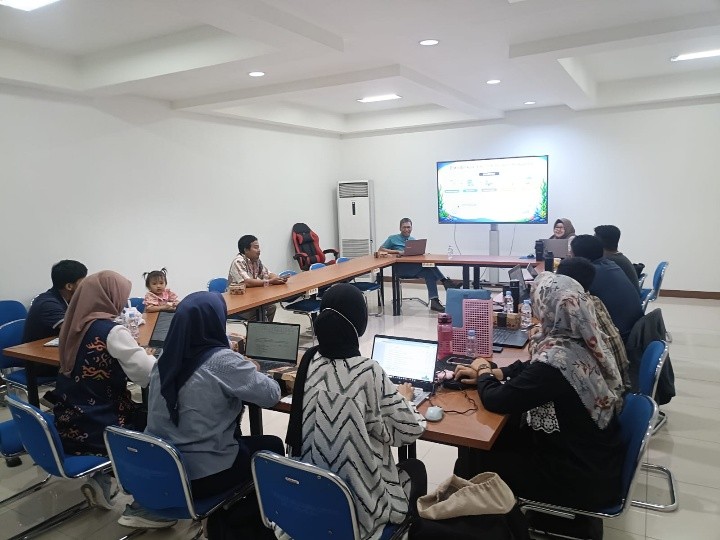 The activity contributes to SDG 4: Quality Education by strengthening research and analytical capacity, enabling participants to develop skills for managing and interpreting information more effectively. It also supports SDG 1: No Poverty, as stronger evidence on the seaweed industry can contribute to the development of policies and strategies that support livelihoods and economic opportunities for communities involved in coastal resource-based activities. The workshop also reflects SDG 17: Partnerships for the Goals through collaboration and knowledge exchange among researchers and participants. At the same time, its focus on sustainable seaweed governance is relevant to SDG 14: Life Below Water, particularly because responsible management of coastal and marine resources is essential for maintaining healthy marine ecosystems while supporting community livelihoods. Ultimately, the workshop demonstrates that meaningful policy does not begin with a policy document—it begins with credible information. By strengthening the connection between data tabulation, analysis, and interpretation, the activity helped build a stronger pathway from research data toward evidence that can inform more inclusive, sustainable, and context-responsive governance of the seaweed industry.