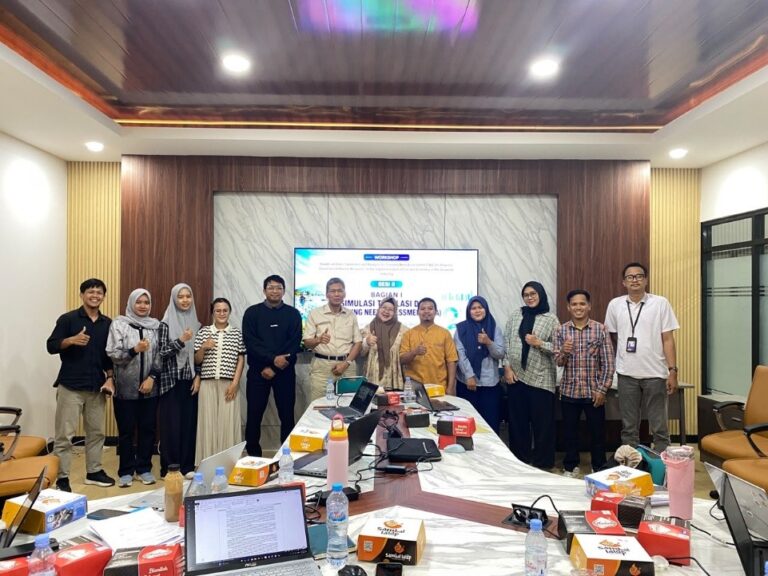
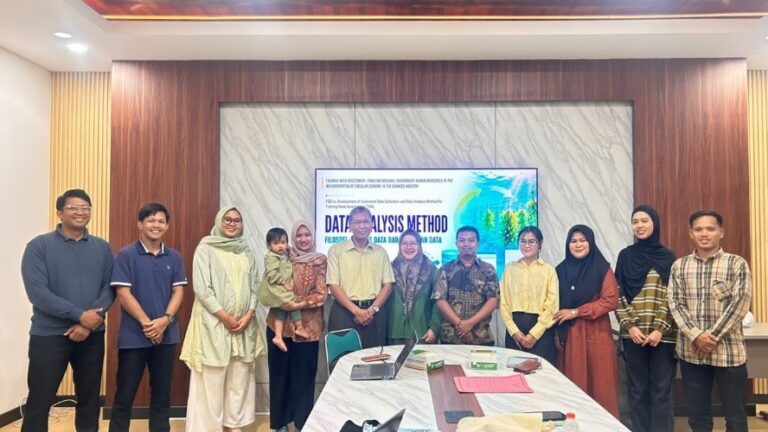
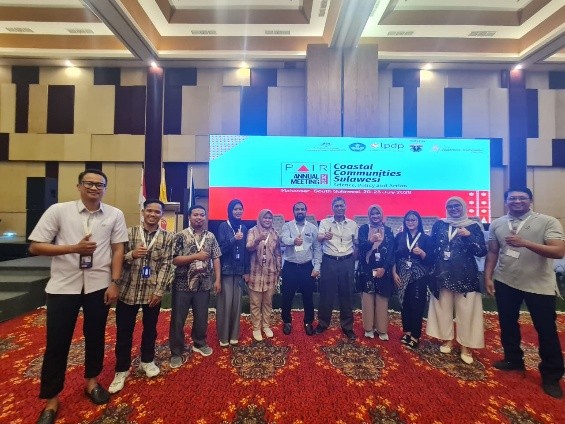
Mamuju, Indonesia — A PAIR Program visit to the Marine and Fisheries Office of Mamuju Regency, West Sulawesi, was conducted on April 20, 2026 as part of a discussion and interview activity aimed at gaining a deeper understanding of policies, institutional roles, and inter-agency linkages in supporting community empowerment through seaweed farming development. The activity involved 10 participants and provided a space to connect institutional perspectives with the needs of communities whose livelihoods are closely linked to coastal resources.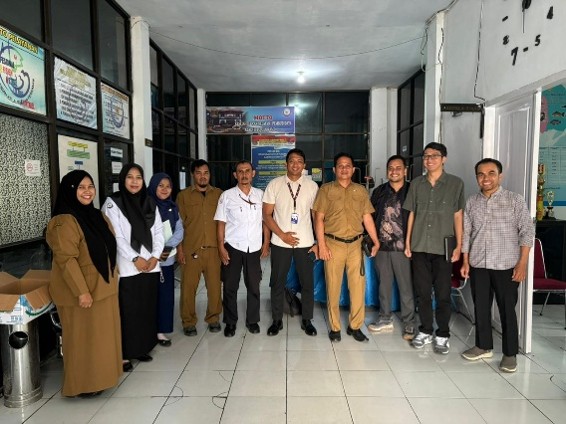 The discussion with the Marine and Fisheries Office was important for understanding how seaweed development is positioned within the broader context of coastal development. Seaweed is not merely a commodity produced through farming activities; it is also part of a livelihood system connected to environmental conditions, access to knowledge, institutional support, markets, and policies. Therefore, developing the sector requires an approach that considers the relationships among economic, social, institutional, and environmental dimensions. Through interviews and knowledge exchange, participants explored perspectives on policies and institutional roles in supporting seaweed-farming communities. The discussion also highlighted the importance of linkages among institutions in creating more integrated forms of support. Community empowerment involves more than improving technical skills; it also requires access to information, capacity building, community institutions, and opportunities to increase the economic benefits generated from farming activities.
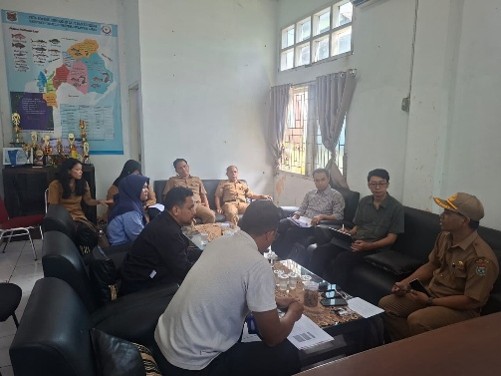 The activity was closely related to SDG 1 (No Poverty) because seaweed farming can represent an important livelihood source for coastal communities. Policies that support local economic development can contribute to strengthening economic opportunities and livelihood resilience. The learning and knowledge-exchange dimension of the activity supported SDG 4 (Quality Education). Discussions with the government institution provided participants with field-based learning on the relationship between policy, resource management, and community empowerment. Such interactions help connect institutional knowledge with the realities experienced by coastal communities. The activity was also strongly connected to SDG 14 (Life Below Water). Seaweed farming depends on the condition of coastal and marine ecosystems. Therefore, economic development needs to be accompanied by responsible utilization of marine resources and attention to environmental sustainability. Furthermore, the activity contributed to SDG 17 (Partnerships for the Goals) through dialogue between the PAIR Program and the Marine and Fisheries Office of Mamuju Regency. Cross-institutional collaboration is essential for connecting policies, knowledge, field experiences, and community needs within a more integrated development framework.
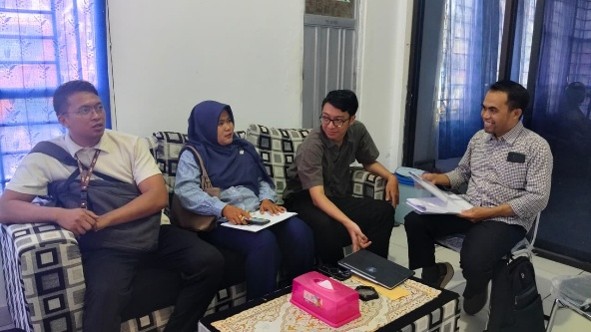 Overall, the visit demonstrated that seaweed development requires more than simply increasing production. Successful coastal community empowerment also depends on responsive policies, community capacity, institutional support, and sustainable management of marine resources. The dialogue established through this activity represented an important step toward strengthening connections among government institutions, communities, academics, and other stakeholders in pursuing more inclusive and sustainable coastal development.